
05 Oct 2026
Marijuana Legalization’s Broken Promise to Black America
Marijuana legalization has often been presented as an economic opportunity for communities disproportionately affected by the War on Drugs. Years into legalization, have black Americans actually shared in the wealth created by the legal cannabis industry—or have the economic and social costs of widespread marijuana use outweighed those promised gains?
Ambassadors with the Project 21 black leadership network are weighing in.
Horace Cooper, Project 21 Chairman:
Marijuana legalization has failed to deliver its promised economic windfall to black communities, functioning instead as a corporate trojan horse in low-income communities. In fact, fewer than 2% of cannabis executives nationwide are black.
Rather than fostering minority wealth, pot dispensaries have heavily saturated vulnerable areas, with researchers finding that low-income black neighborhoods house 2.5 times the number of cannabis retailers compared to affluent, predominantly white communities. This aggressive clustering deepens existing socioeconomic divides while compounding long-term social costs, such as a 12% increase in teen cannabis use among mental health ER patients.
Ultimately, these stark statistics demonstrate that the widespread commercialization of marijuana use inflicts severe damage on the very populations supporters claimed it would uplift.
Make no mistake: Legalization isn’t the friend of black America.
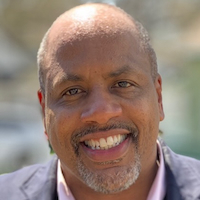
Tino Smith
Dr. Tino Smith, Ph.D., Project 21 Ambassador:
Marijuana legalization was sold in part as economic justice for communities disproportionately harmed by the War on Drugs, but legalization alone does not guarantee ownership or generational wealth.
Reducing unnecessary arrests matters, yet we must also ask who owns the businesses, who controls the capital and whether our communities are becoming producers and wealth builders rather than simply consumers.
I distinguish legitimate medicinal use from recreational consumption, because true empowerment should strengthen the health, productivity, ownership and future of our communities.
If legalization is truly about equity, then our next step must be intentional: Move beyond access, and create real pathways to ownership, capital, education and generational wealth.
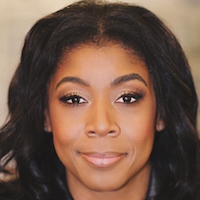
Linda Bentley
Linda Bentley, Project 21 Ambassador:
Overall, the legalization of marijuana in certain states has not resulted in black Americans sharing in the wealth in proportion to population percentage.
Currently, black Americans comprise 13% of the U.S. population but account for fewer than 2% of licensed cannabis business owners. The primary reason is access to capital that involves banks.
Historically, black Americans have faced lower average credit scores, creating barriers to the capital needed to start and grow a business. Some states have adopted equity programs aimed at addressing these disparities, but the results have been mixed.

DawnMarie Alexander Boursiquot
DawnMarie Alexander Boursiquot, Project 21 Ambassador:
Financial and commercial motives frequently override empirical research regarding the neurological risks of cannabis. Scientific evidence demonstrates that marijuana adversely affects brain function, which necessitates stringent, evidence-based regulation. Furthermore, unrestricted commercialization risks fostering a state of cognitive complacency within portions of the population, encouraging the false perception that chronic use is without consequence.
There exists a distinct divergence in psychological orientation and lifestyle engagement between individuals who use mind-altering substances and those who abstain. The preservation of cognitive capacity and intellectual agency is paramount; society should not permit external forces to undermine mental clarity. While legitimate therapeutic applications of cannabis do exist, these medicinal benefits must be evaluated and managed within a strictly separate regulatory category rather than utilized to justify general recreational access.
Punitive measures and incarceration are counterproductive responses to drug use. Instead, public resources should be redirected toward comprehensive medical evaluations that clearly illustrate to individuals the physiological and neurological impacts occurring within their brains. Combining scientific transparency with viable health alternatives offers a far more constructive path forward for both individual well-being and public health.

Zion Williams
Zion Williams, Project 21 Ambassador:
Black Americans have benefited from the legal cannabis industry, but not as much as they were promised.
Legalization has created jobs and opportunities to start businesses, but there still aren’t many black people who have been licensed to open cannabis businesses.
Marijuana legalization has also helped reduce some arrests, but there are still concerns about health and other social problems.
The cannabis industry has created some opportunities, but the benefits have not been equally shared with black communities.

Author: MScannaBIZ
MScannaBIZ is here to make sure patients, businesses, and professionals never get left behind. We started in 2022 as a Mississippi cannabis news source, covering the legislation, the licenses, and the launches that shaped the state's emerging industry. As the Mississippi Medical Cannabis Program took shape, so did we, evolving into the state's most comprehensive cannabis platform. Today MScannaBIZ is Mississippi's premier destination for finding licensed dispensaries, booking certified cannabis doctors, discovering deals and events, and staying informed with the latest industry news. With over 300 businesses in our directory and new listings added daily, we're the most complete cannabis resource in the state. Our mission is simple make Mississippi's medical cannabis ecosystem accessible, transparent, and thriving for everyone in it.