


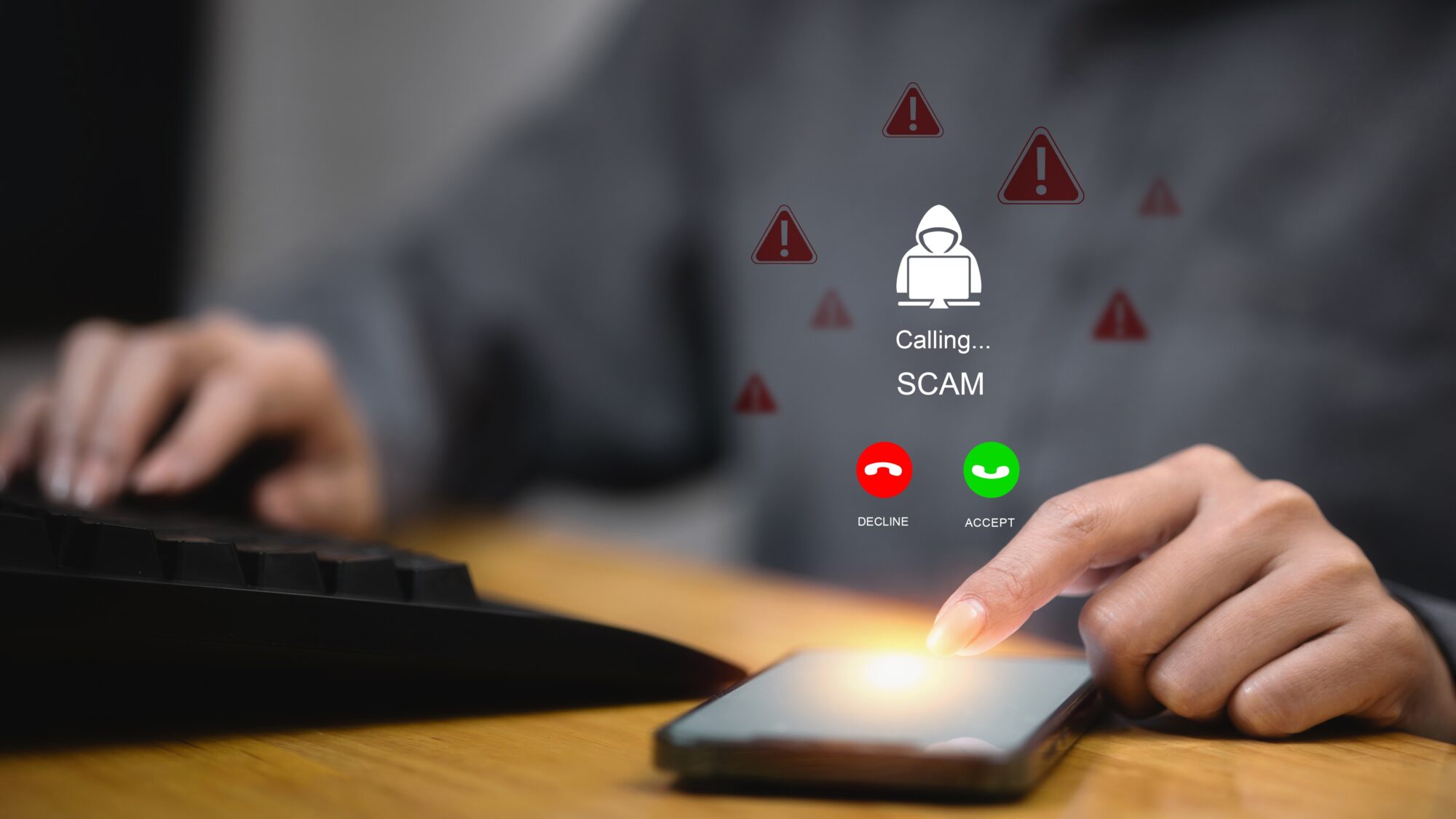
Mississippians are increasingly frustrated with the surge in robocalls affecting their daily lives. As technology advances, these unsolicited calls continue to disrupt peace and privacy, often with the intent to scam individuals out of personal information.
This week, Mississippi Attorney General Lynn Fitch (R) announced the commencement of the second phase of the national Operation Robocall Roundup. Her office is collaborating with 50 other state attorneys general to safeguard citizens’ privacy.
“Robocalls are not only annoying and disruptive to our everyday lives, but they are often used to perpetrate scams,” Fitch stated. “I am proud to join my colleagues to protect not only Mississippians but all Americans from these unsolicited calls and hold the companies that facilitate them accountable.”
Residents like Lance Kennedy express growing discontent, particularly with calls coming at all hours, including late nights. “What I don’t like is how they call after 9 o’clock,” Kennedy conveyed to Magnolia Tribune. “They’ll call as late as almost 10:30 or 11 o’clock sometimes.”
Beyond robocalls, Kennedy also reported receiving a multitude of scam texts in just one morning, aiming to extract personal details or guide him to dubious links. Fitch revealed that Americans receive an average of 13 robocalls daily, underscoring the widespread nature of the issue.
“I know the end game. It’s all to get your information online so they can either mess with your credit or get any part of your debit card,” Kennedy noted.
Some individuals attempt to mitigate these calls using call screening technology, but the effectiveness can vary. Jason Kreyssig, who manages vendor communications nationwide, found that such technology resulted in missed important calls, leading him to disable it. “I literally get calls from everywhere, because I deal with vendors all over the United States,” he explained. “Now, I just have to suffer through it.”
To address these issues, Attorney General Fitch emphasized that Mississippi is part of a nationwide initiative involving the Anti-Robocall Litigation Task Force, established in 2022. This task force aims to apply pressure on companies to resolve the robocall crisis.
In December alone, the task force directed four major service providers—Inteliquent, Bandwidth, Lumen, and Peerless—to cease the transmission of robocalls, as these companies can prevent calls from repeat offenders.
“For example, the Task Force investigation revealed more than 1 billion imposter Amazon and Apple robocalls and over 3 billion misleading IRS and Social Security calls that circulated through these four companies’ networks,” Fitch revealed.
Phase 1 of this national effort began in August, involving the issuance of warning letters to 37 voice service providers. As a result, 13 companies were removed from the Federal Communications Commission’s Robocall Mitigation Database, thus preventing U.S.-based providers from accepting their traffic.
“In addition, four of the companies terminated their high-risk customer accounts, and 19 no longer appear in Task Force traceback results,” Fitch explained. This indicates a positive shift in addressing the illegal robocall problem.
