


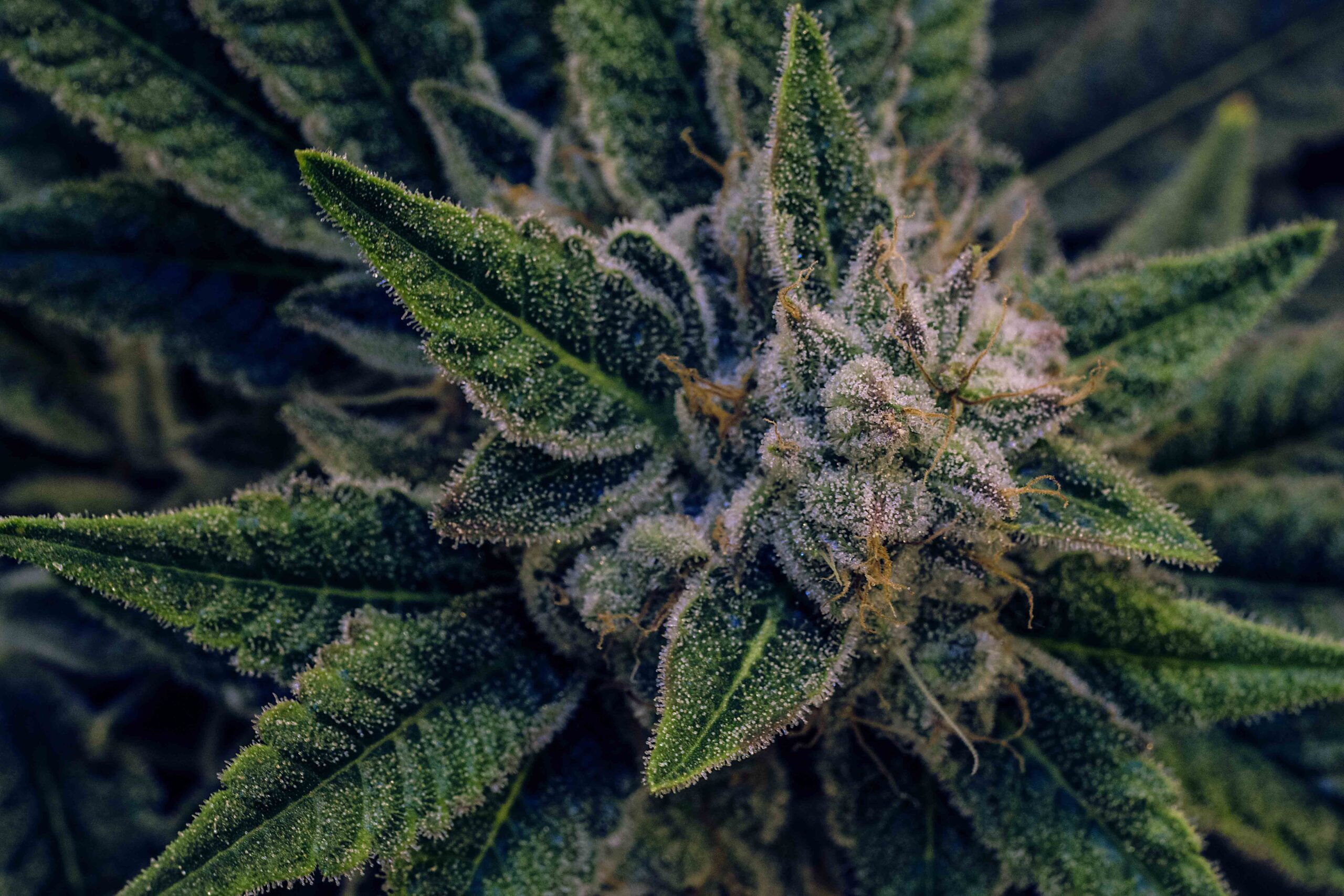
In a significant development for the cannabis industry, the University of Mississippi (UM) announced on April 14, 2025, its leadership role in the newly established Resource Center for Cannabis and Cannabinoid Research (R3CR). This center aims to advance cannabis research across the United States, operating under the National Center for Natural Products Research (NCNPR). Its mission is to enhance the scientific foundation of cannabis through various means, including an interactive website, webinars, and conferences.
Advancing Cannabis Research
The NCNPR, founded in 1995, collaborates with multiple organizations to foster research in natural product science, encompassing areas like plant physiology. Ikhlas Khan, director of the NCNPR, emphasized the opportunity for the R3CR to encourage broader research initiatives. “Establishment of this center should promote more science, and our hope is that in the near future, this center will develop evidence-based products that will address quality, safety and efficacy,” Khan stated. He will lead the new center.
Impact on Regulatory Landscape
Donald Stanford, assistant director of the Research Institute of Pharmaceutical Sciences at UM, noted that significant changes in cannabis research are on the horizon. These changes include enhanced regulatory compliance and the development of cannabis technologies, ultimately benefiting public health. He anticipates that over the next five years, increased access to cannabis research opportunities will emerge.
Guidance and Standards
The R3CR will facilitate partnerships aimed at providing direction on regulatory matters and best practices. A collaboration with Washington State University (WSU) and the United States Pharmacopoeia (USP) will play a crucial role in this effort. The center will consist of three dedicated groups focusing on regulatory guidance, research support, and research standards.
Mahmoud ElSohly, research professor and UM Marijuana Project Director, will oversee the regulatory guidance group, which will act as a repository for cannabis research regulations from the DEA and FDA. ElSohly highlighted the complexities involved in conducting cannabis studies and the necessity for both researchers and administrators to navigate these regulations effectively.
Mary Paine, a pharmaceutical sciences professor at WSU, will lead the research support group, focusing on disseminating scientific information and organizing related events. Meanwhile, the research standards group, directed by Nandakumara Sarma from the USP, will prioritize best practices and technical information.
Funding and Future Prospects
The establishment of the R3CR is supported by a grant partnership from the National Center for Complementary and Integrative Health (NCCIH), which is dedicated to facilitating research and providing complementary health resources. This initiative reflects a growing recognition of the value of cannabis research and its implications for health and industry standards.
For more information, visit the National Center for Natural Products Research.
