

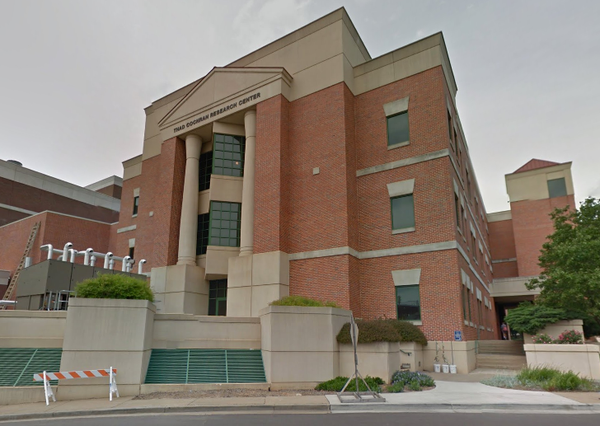
A government-funded lab dedicated to the cultivation and study of substantial amounts of legal cannabis is located within an inconspicuous section of a major state university. This is not merely a campus tale but a pivotal element in the United States’ approach to marijuana legality and its medicinal prospects.
The M-Project: A Historical Overview
In 1968, the federal government commissioned the University of Mississippi’s Marijuana Research Project, or M-Project, to cultivate cannabis for research conducted by the National Institute of Drug Abuse (NIDA), initially using seized Mexican seeds. Over the years, the project has expanded its scope, now cultivating a variety of strains from around the globe, both in controlled greenhouses and on the lab’s expansive 12-acre grounds. According to a Los Angeles Times article, the project currently holds an impressive stockpile, with fifty-pound barrels of dried, ready-to-smoke cannabis and a large supply of potent extracts.
Regulatory Challenges and Scientific Scrutiny
Due to marijuana’s classification as a Schedule I narcotic, all federally sanctioned research must source its cannabis from the M-Project. Mahmoud ElSohly, the head pharmacologist at the lab, asserts that this is crucial for ensuring a rigorous selection process for experiments and for providing standardized materials across various clinical trials. However, many researchers argue that the criteria set by the M-Project are excessively stringent. While pharmaceutical-grade cannabis is available in 23 states and Washington, D.C., studies sanctioned by the M-Project require DEA approval and a panel with NIDA representation, with some critics likening the current regulatory attitudes to those of the 1930s. Orrin Devinsky from NYU’s Langone Medical Center noted the challenges he faced in acquiring cannabis for epilepsy studies due to these restrictive measures.
Political Implications and Future Directions
Critics suggest that the M-Project inadvertently upholds an agenda to keep cannabis illegal, drawing attention to the past affiliations of ElSohly’s predecessor, Dr. Carlton Turner, who played a significant role in Reagan-era drug policies. ElSohly contends that while the lab’s research has demonstrated the potential of cannabis as a therapeutic agent, traditional forms of consumption, such as smoking or edibles, pose safety concerns. He is actively developing methods to deliver cannabis’s beneficial compounds without inducing psychoactive effects, although his initial approach—rectal delivery—has not proved viable.
Mississippi’s Landscape and Future of the M-Project
With the momentum towards legalizing marijuana cultivation and increasing public recognition of its benefits, one might expect the M-Project’s relevance to diminish. However, in March 2015, the lab secured nearly $70 million in contract renewal, positioning the project to cultivate up to 30,000 plants in the near future. Presently, Mississippi maintains strict prohibitions on the use, possession, sale, and cultivation of marijuana, except for the specific activities conducted on these 12 acres located near student housing and athletic facilities. Notably, a significant portion of the state’s prison population is incarcerated for nonviolent offenses, largely due to mandatory minimum sentencing laws related to drug possession.
While some adventurous students attempt to explore the M-Project’s storied operations—whether through serious attempts to breach security or humorous endeavors like fishing line casts—ElSohly emphasizes the lab’s robust security measures, including cameras, motion detectors, and guards, to deter such intrusions.
