


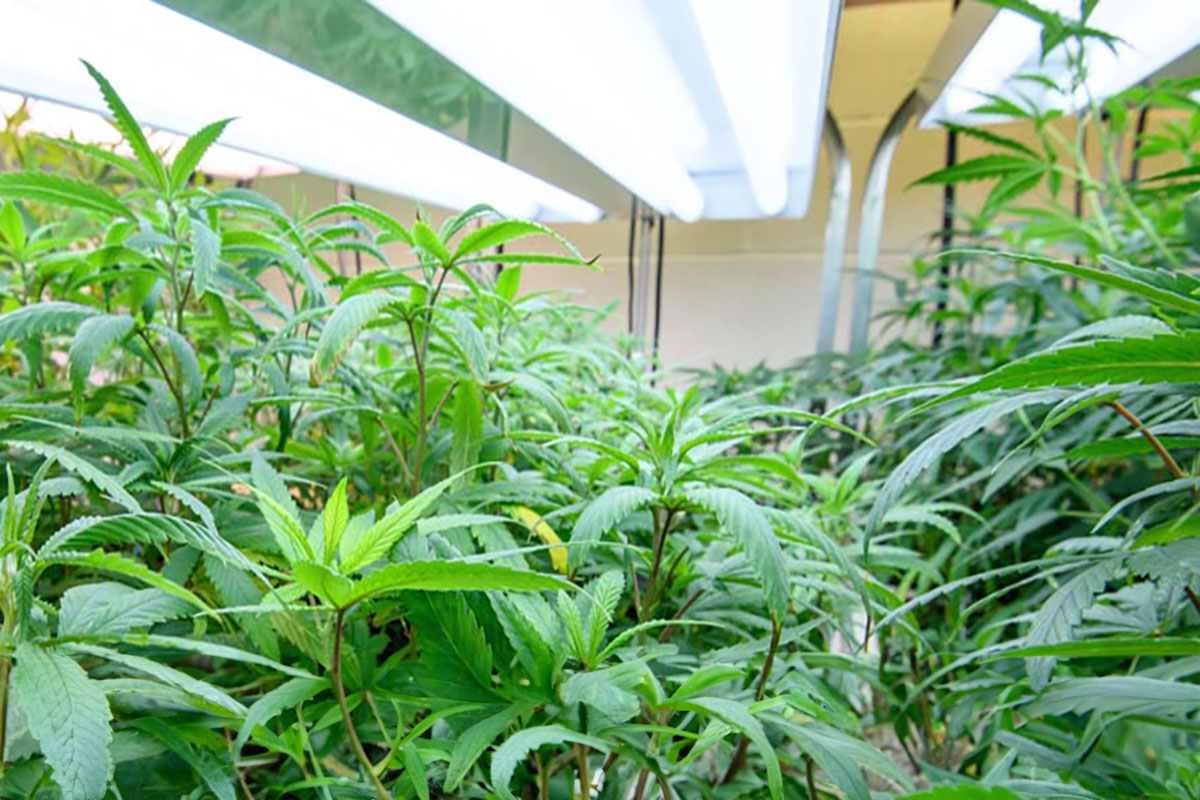
The University of Mississippi (UM) plans to offer a Master of Science in Dietary Supplements and Medical Cannabis starting in fall 2024, pending approval from the Southern Association of Colleges and Schools. This program aims to provide advanced training for individuals seeking employment or advancement in the dietary supplements sector.
“There’s a tremendous need for professionals in dietary supplements, and obtaining an undergraduate degree alone isn’t sufficient,” said David Colby, UM’s Director for Online Graduate Programs in the Biomedical Sciences Department, in comments to the Mississippi Free Press. “This initiative is crucial for the success of businesses in the state, ensuring that individuals can build successful careers and contribute to the industry’s growth.”
Growing Demand for Cannabis Professionals
As dietary supplements rise in popularity, particularly with many states legalizing marijuana for recreational and medical use, Mississippi has seen significant market developments since passing the Medical Cannabis Act in 2022. This legislation allows for the use of medical cannabis in treating specific debilitating conditions, leading to an increase in investment and establishment of growing companies, testing labs, and dispensaries.
Colby noted a growing interest in pharmacy courses related to medical marijuana, as evidenced by a recently added elective that quickly filled, resulting in a waitlist.
“When the legislation changed, it highlighted the workforce needs in Mississippi. We recognized an opportunity to guide individuals in achieving their career goals and supporting local businesses,” Colby explained.
Job Opportunities and Workforce Development
The cannabis sector in Mississippi is rapidly evolving, creating a need for skilled workers. Many facilities currently recruit out-of-state personnel or provide on-the-job training to those who obtain a work permit from the Mississippi Department of Health. UM’s program will equip individuals for various roles, including research, product development, formulation, regulatory affairs, and marketing.
Ken Newburger, Executive Director of the Mississippi Medical Marijuana Association, emphasized the lack of qualified professionals in the cannabis space within Mississippi, noting that many educated individuals have sought opportunities outside the state. Training local candidates is essential for elevating the workforce.
“Most bud tenders, often the entry-level roles in the industry, earn competitive wages due to the extensive on-site training provided. Retaining skilled employees is critical for business longevity,” Newburger stated.
Program Structure and Objectives
UM’s initiative follows other educational programs, such as the University of Maryland’s pioneering Master of Science in medical cannabis science and therapeutics. However, Colby highlighted that UM’s approach focuses on preparing students for careers within the industry rather than solely training healthcare professionals.
“Our mission is to develop experts for the dietary supplements, nutraceuticals, herbal products, and medical cannabis industries,” Colby remarked. “This specialized training will be crucial as the sector expands.”
Research and Historical Context
UM has a long history of cannabis research, having launched its marijuana program in 1968, funded by the National Institutes of Health. The university also houses the National Center for Natural Products Research, serving the dietary supplements industry. Additionally, the National Center for Cannabis Education and Research was established in 2021 to support educational efforts in the cannabis field.
The new online program, which comprises 30 credit hours, will include coursework related to chemistry, pharmacology, and toxicology pertinent to medical marijuana and dietary supplements. Students will focus on dietary supplements in their first year and on medical marijuana in the second year.
In the next five years, UM plans to enhance its curriculum further by introducing a graduate certificate in dietary supplements, a one-year certificate in medical cannabis, and a Doctor of Pharmacy-Master of Science dual-degree program. Newburger remarked on the significance of these developments, highlighting the substantial investments being made by cannabis companies in Mississippi.
“A university committed to developing an educated workforce demonstrates an effort to ensure that Mississippi remains competitive in this burgeoning industry,” Newburger concluded.
