

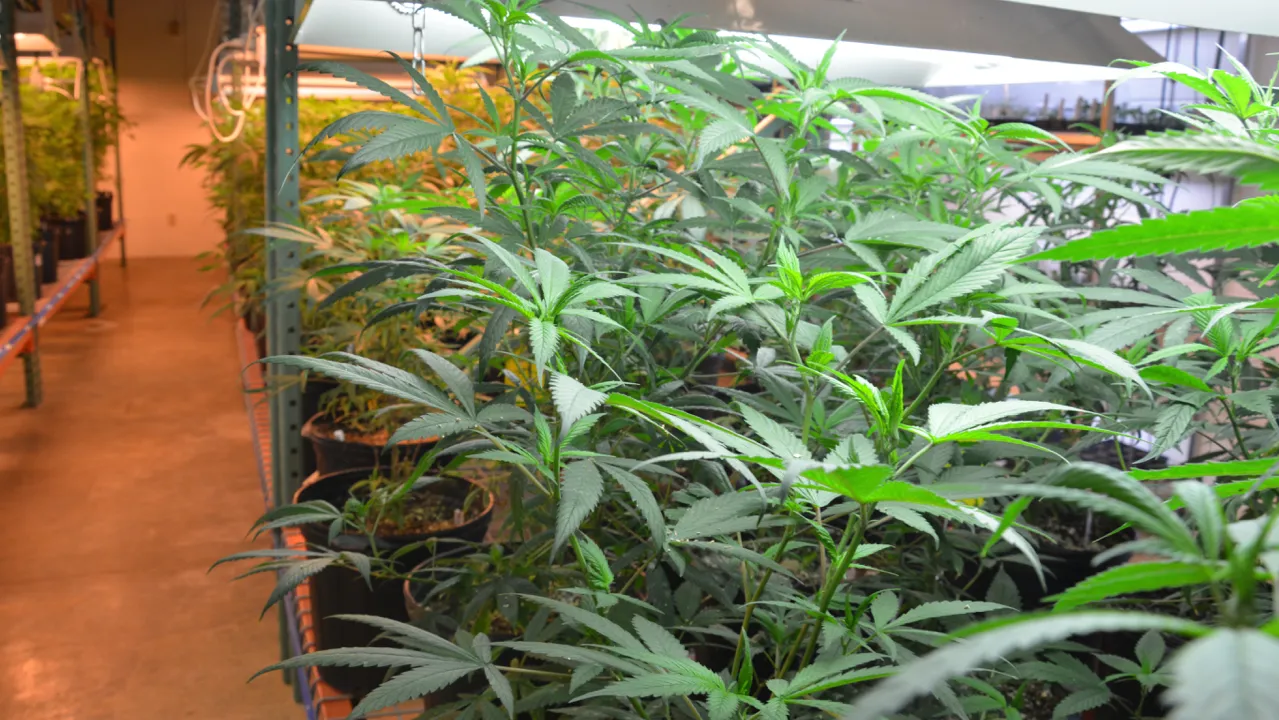
As a region, the South has historically been slow to embrace marijuana reform, but recent developments indicate a shift. Over the past year, Mississippi and Alabama have legalized the use of marijuana for qualifying medical conditions. Additionally, Louisiana has made strides to expand its medical marijuana program, including authorizing the use of cannabis in its raw flower form. North Carolina may introduce a medical marijuana bill in the coming weeks, while South Carolina is currently debating its own legislation on the topic.
Despite the region’s slow progress, public demand for marijuana legalization is clear. A 2021 Pew Research Center survey revealed that 91% of U.S. adults favor marijuana legalization for medical use, with around 60% supporting its availability for recreational purposes. Even in traditionally conservative Mississippi, approximately 74% of voters expressed support for medical marijuana legalization, approving the program in November 2020.
Alabama
In May 2021, Alabama became the 36th state to legalize medical marijuana. However, the program has faced challenges in implementation, with provisions that some advocates believe could hinder patient access. Chronic pain patients must first try opioids before obtaining medical marijuana, and doctors are required to complete a four-hour course and pay a $300 fee to participate. A 14-member regulatory commission oversees the program, with business licenses expected to be available by September 2022, and medical marijuana products anticipated by early 2023.
Arkansas
Arkansas was an early adopter of medical marijuana, legalizing its use in 2016. However, products only became available in 2019 due to slow rollout processes. Activists are currently gathering signatures to place a recreational marijuana legalization measure on the ballot for 2022. Two initiatives are in progress, including one from Arkansas True Grass, which would allow home cultivation and expunge records of non-violent marijuana offenses. Another proposal from Responsible Growth Arkansas seeks to increase dispensary licenses and eliminate taxes on medical marijuana patients. Both initiatives need over 89,000 signatures by July 8 to qualify for the ballot.
Louisiana
In 2021, Louisiana made significant strides in marijuana reform by passing a decriminalization bill for possession of small amounts of marijuana. Now, possession of up to 14 grams will incur a fine without jail time. Furthermore, lawmakers allowed medical marijuana patients to purchase marijuana in its raw form starting January 1, 2022. Although Louisiana’s medical program has been criticized for its restrictive nature, with only nine licensed dispensaries, numerous proposals are on the table to expand access, including increasing the number of cultivator and dispensary licenses.
Mississippi
After significant uncertainty, Mississippi passed a medical marijuana law in February 2022. Unlike neighboring Louisiana and Arkansas, the Mississippi program does not limit the number of business licenses available. It features a tiered licensing fee system to encourage smaller businesses to participate. The state plans to begin accepting applications from businesses, doctors, and patients on June 1, with approval timelines varying by license type. Construction has already begun on some cultivation facilities, with hopes of having products available by late 2022.
South Carolina
Lawmakers in South Carolina continue to consider the “Compassionate Care Act,” which would establish a medical marijuana framework. The proposed law would limit qualifying conditions to specific illnesses and authorize the use of medical marijuana in non-smokable forms. The Act has passed the Senate and is expected to be debated by the House of Representatives soon. South Carolina is currently among the 13 states that do not permit medical marijuana.
Tennessee
Efforts to pass comprehensive medical marijuana legislation in Tennessee failed this year when the proposed bill did not advance through the Senate judiciary committee.
North Carolina
The North Carolina Compassionate Care Act, which aims to legalize medical marijuana for various conditions, stalled in previous sessions. Legislative discussions may resume soon, with a focus on addressing at least 12 qualifying medical conditions. The legislature reconvenes on May 18, and there remains hope that the bill will be revisited before the session adjourns on June 30.
