


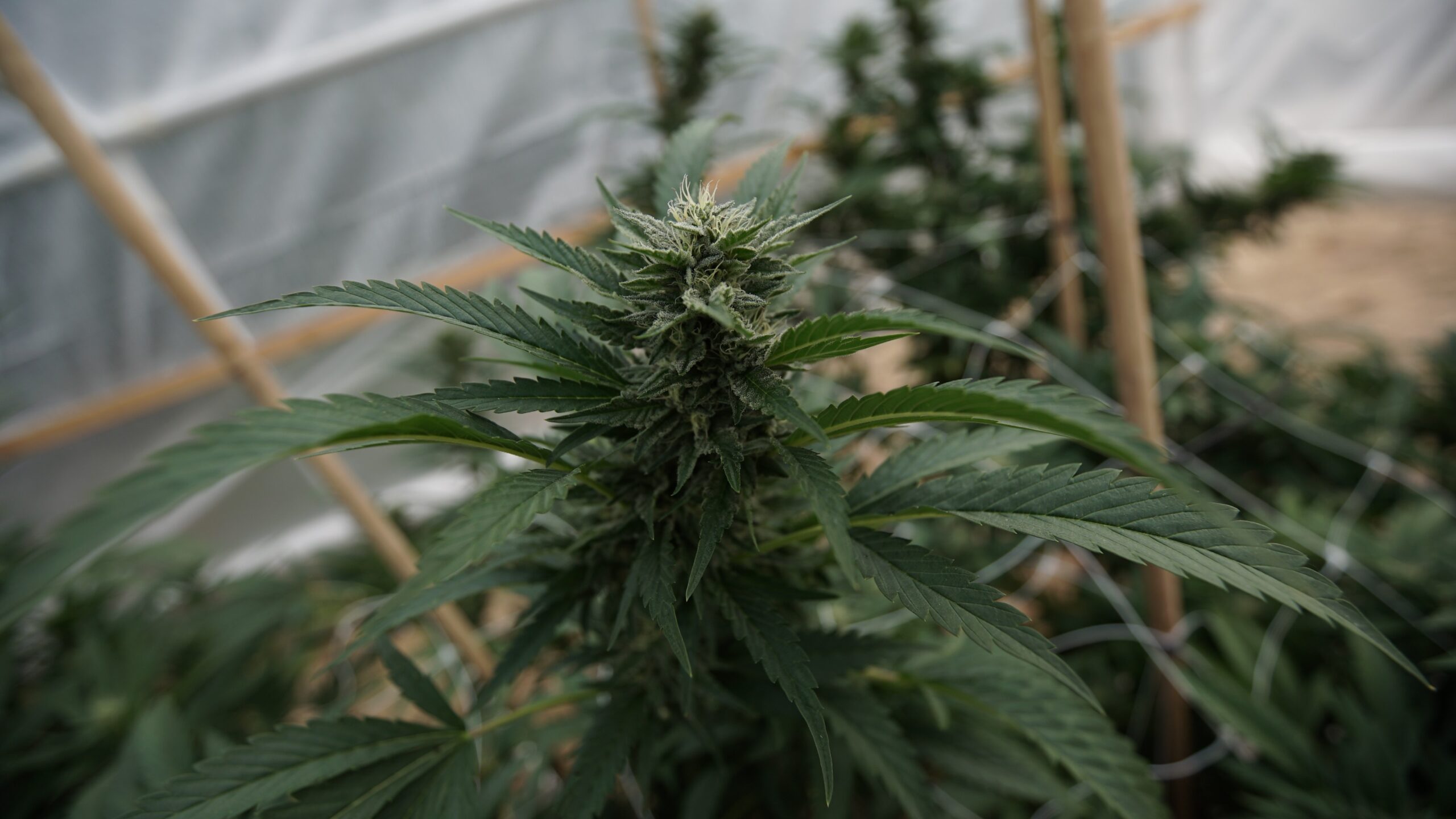
In the evolving landscape of cannabis legislation, North Dakota is taking steps to broaden its marijuana decriminalization law, reducing possession offenses to civil citations accompanied by fines. This move follows Arkansas lawmakers’ decision to allocate revenue from medical marijuana taxes to finance free school breakfasts, a significant initiative aimed at supporting students.
Legislative Developments Across States
In South Dakota, a bill intending to repeal the voter-approved medical cannabis law was halted by the House Health and Human Services Committee. However, lawmakers did proceed with legislation that removes legal defenses for patients lacking registry identification cards. Conversely, Ohio’s Senate General Government Committee held discussions on altering its marijuana legalization law but ultimately voted to eliminate tax-increase proposals.
Public Support and Polling Insights
A recent poll indicates that 67% of Florida voters support the legalization of marijuana, well above the 60% threshold required for a ballot initiative, suggesting strong public backing for future legislative efforts. Meanwhile, South Carolina legislators are examining bills to regulate hemp-infused edibles and beverages, reflecting a growing interest in controlling the market.
Mississippi Legislative Actions and Regulatory Changes
In Mississippi, state representatives advanced distinct measures to restrict intoxicating hemp products, showcasing a continuing effort to regulate the cannabis market. Additionally, Mississippi lawmakers are evaluating various proposals to refine medical cannabis regulations as they strive to create a balanced framework for this burgeoning industry.
Federal Insights and Health Considerations
The Centers for Disease Control and Prevention has released new materials addressing marijuana use during pregnancy, emphasizing the need for informed health choices. As the conversation around cannabis evolves, the implications for public health and policy remain paramount.
International and Scientific Perspectives
Globally, French lawmakers have put forth a legalization proposal, reflecting the international momentum toward cannabis reform. Concurrently, a review highlights cannabinoids’ potential in developing innovative treatments against drug-resistant infections, indicating significant scientific interest in cannabis-related research.
The developments in cannabis legislation and public policy will continue to shape the industry landscape, particularly in states like Mississippi where regulatory frameworks are being established and refined. With ongoing discussions and evolving attitudes toward cannabis, stakeholders in the Mississippi cannabis market must stay abreast of these legislative trends.
