


WASHINGTON – The Supreme Court on Monday declined to take up a challenge to Mississippi’s near-total restriction on the advertising of medical marijuana. Mississippi voters overwhelmingly approved medical marijuana in 2020, but the state maintains stringent controls on how the product can be promoted.
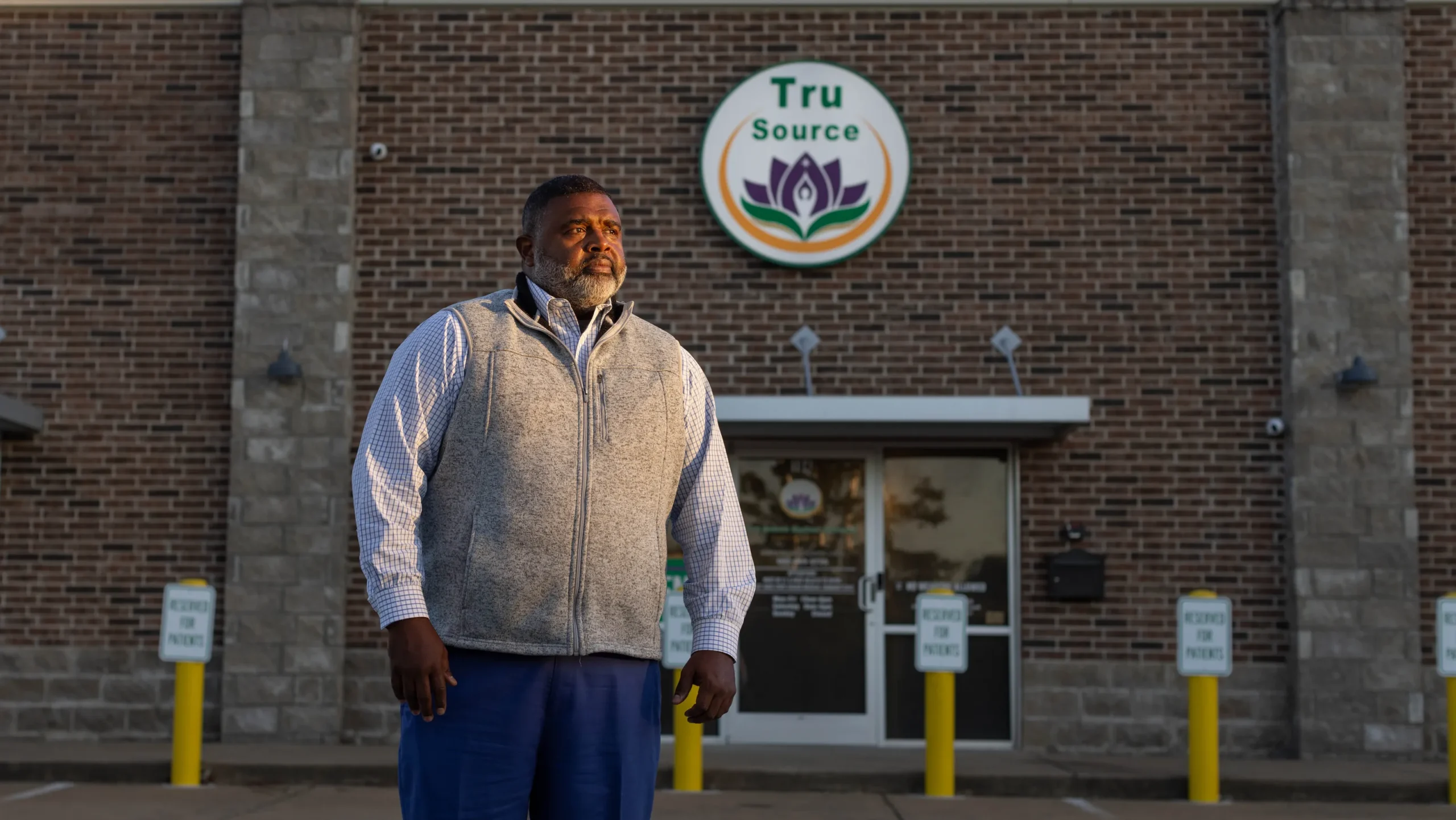
Clarence Cocroft, owner of Tru Source Medical Cannabis, contended that these restrictions violate his free speech rights. He seeks to advertise on four billboards he owns, as his dispensary is located in an industrial park where visibility is limited. Cocroft expressed disappointment, stating, “I was hoping the Supreme Court would hear our case so my business could be treated just like any other legal business in the state of Mississippi.”
Legal Background
The New Orleans-based 5th U.S. Circuit Court of Appeals ruled that Cocroft does not have a First Amendment right to advertise his cannabis business, citing marijuana’s status as illegal under federal law. The Biden administration has attempted to reclassify marijuana as a less dangerous drug, but efforts have stalled. Even if successful, marijuana would remain a controlled substance, with the federal government needing to determine guidelines for its medical use.
Currently, only a few states maintain a complete ban on marijuana, while the federal government has historically enacted policies that do not interfere with states that have more permissive laws. This creates confusion for many dispensaries, which the Institute for Justice argues puts them in “First Amendment limbo.”
Mississippi Regulations and Impact
Mississippi has not responded to Cocroft’s request for the Supreme Court to hear his appeal and continues to prohibit advertising for marijuana through billboards, newspapers, television, social media, or email lists. Similar restrictions are also present in Arkansas and Alabama.
Katrin Marquez of the Institute for Justice commented, “An outright ban on all medical cannabis advertising serves no legitimate public purpose.” The challenges faced by cannabis businesses like Cocroft’s highlight the ongoing tension between state policies and federal regulations, exacerbating the complexities of the cannabis industry in Mississippi.
