


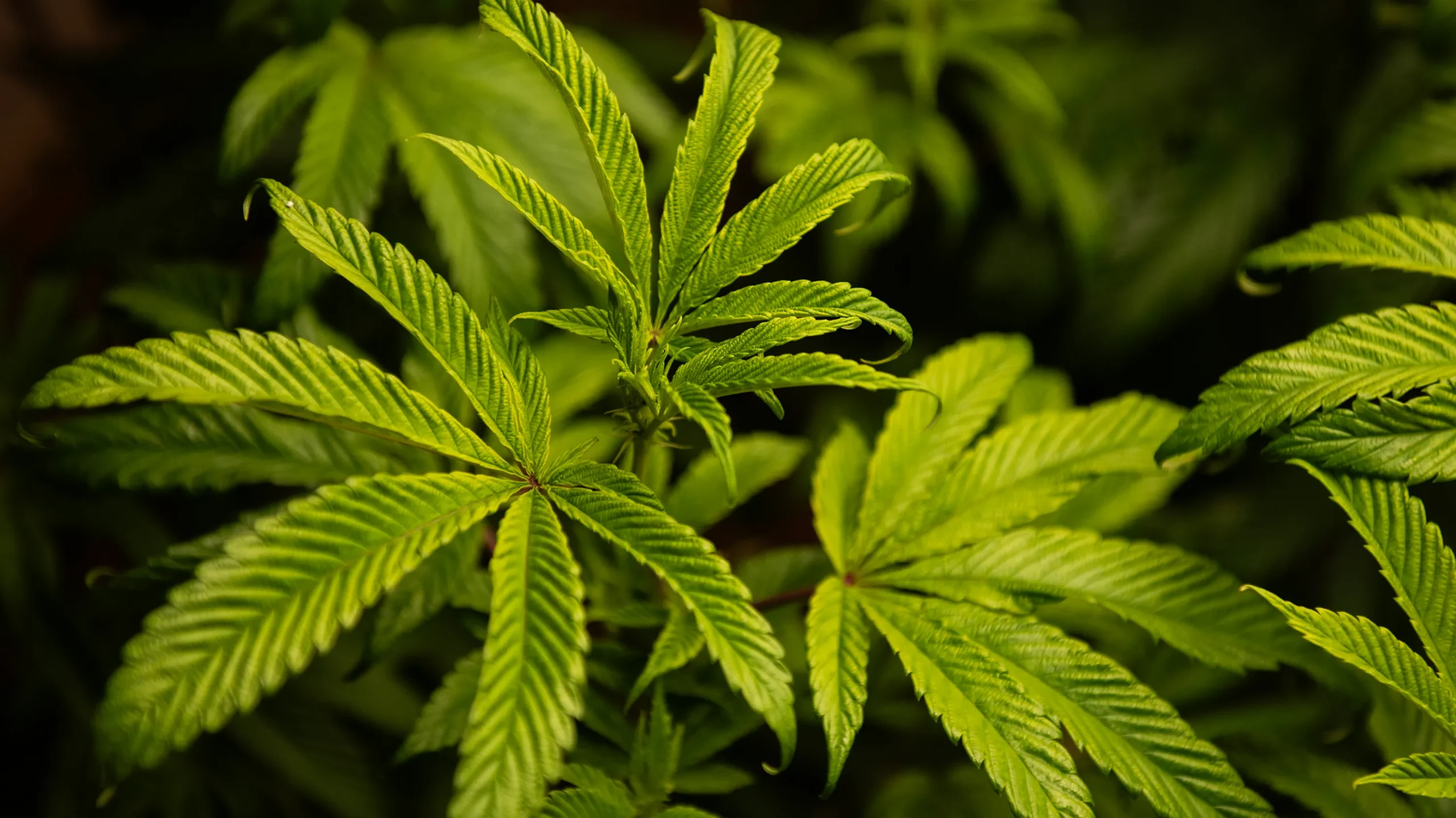
Ole Miss’ history in the medical marijuana field dates back to the 1960s when the university initiated research and established a cannabis growing facility. Expanding on that legacy, the university is launching a master’s program focused on medical cannabis and dietary supplements.
New Master’s Program in Medical Cannabis
Commencing in fall 2024, this two-year online program, housed within the School of Pharmacy, will encompass both dietary supplements and medical marijuana—two sectors experiencing growth across the United States. David Colby, director of online graduate programs in the biomedical sciences department, highlighted the uniqueness of this initiative, stating, “The purpose is to provide advanced training for people seeking employment or aiming to advance in the dietary supplements or medical cannabis fields.”
While the curriculum may share aspects with other national programs, the focus at Ole Miss will be on equipping students with the skills to design products rather than merely instructing on the use of cannabis products. Colby emphasized, “We’re more focused on providing the skills for people to be successful in the industry.”
Curriculum Overview
The program will draw upon the expertise developed at Ole Miss, recognized nationally as a leader in dietary supplements and medical cannabis. The structure will separate classroom instruction from the university’s growing facility, concentrating instead on educating those entering the industry.
This master’s program caters not only to newcomers but also to individuals already working in the dietary supplement or medical cannabis sectors seeking advancement. Colby noted, “Since it’s entirely online, we do expect to attract students who are employed, especially in entry-level positions, looking to progress in their careers.”
The program’s first year will focus on dietary supplements, while the second year will delve into medical marijuana, culminating in 30 credit hours. Each segment will consist of five courses covering general history, pharmacy, and toxicology, with the second-year courses addressing policy, formulation, chemistry, and plant genomics.
Accreditation and Educational Goals
The program is on track to receive full accreditation by the end of the semester, allowing for the acceptance of its inaugural class next fall. The Institution of Higher Learning has already approved both the program and its courses.
Hayley Prescott, an instructional assistant professor of biomolecular sciences, will lead the first-year courses on dietary supplements. She aims to clarify misconceptions surrounding these products while fostering critical thinking among industry professionals. Prescott stated, “By educating the workforce, it will eventually lead to a more informed consumer.”
Industry Growth and Public Interest
As the medical marijuana sector continues to evolve in Mississippi, recent studies indicate heightened public interest. A report by Nature and Bloom revealed that Mississippians search for “What is CBD” more than residents in any other state, placing Mississippi second overall in CBD interest, just behind Alabama.
This increasing interest has been especially noticeable post-COVID-19, as individuals seek alternative and complementary medicines. Additionally, the passage of the state’s Medical Cannabis Act in early 2022 has significantly impacted public engagement with the industry.
On the Ole Miss campus, interest in courses related to medical marijuana is robust, with courses filling rapidly. Colby noted, one medical cannabis course he taught had a waiting list of 50 pharmacy students.
The master’s program at Ole Miss marks a significant step in the burgeoning cannabis industry in Mississippi, paving the way for additional programs centered around natural products and medical cannabis.
