


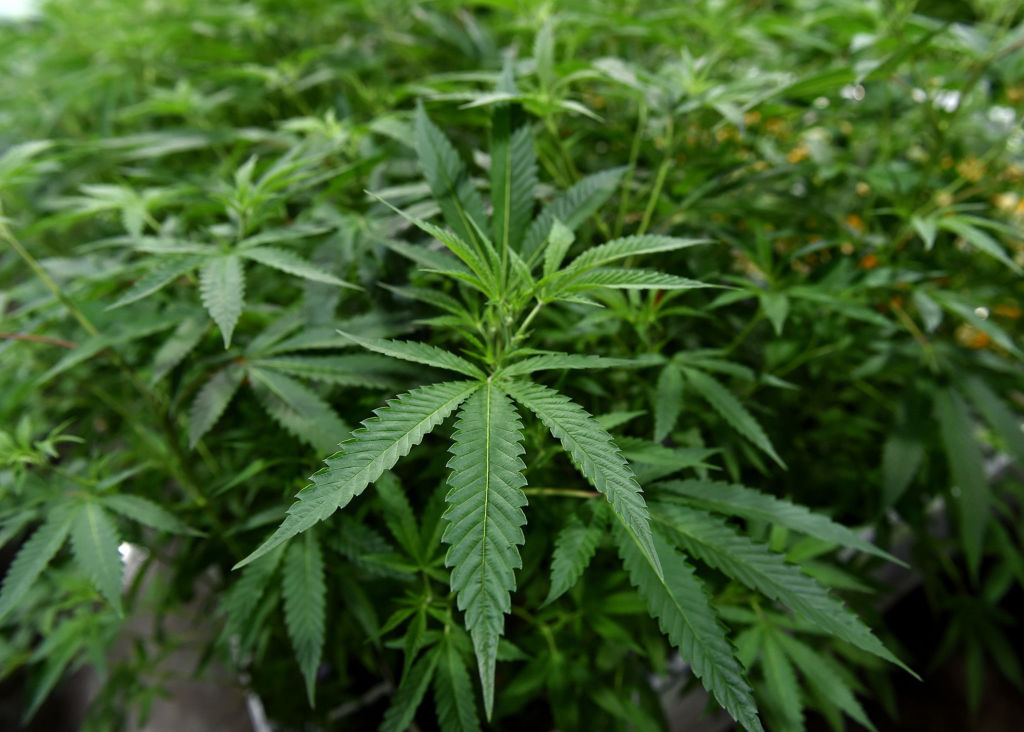
The University of Mississippi will launch a two-year master’s degree program focused on cannabis, specifically exploring its genomics, formulation, manufacturing, and regulation. This initiative aims to prepare students for careers in policy, research, and various sectors of the cannabis industry.
Program Structure and Curriculum
Based within the School of Pharmacy, the curriculum will emphasize cannabis chemistry, biology, and toxicology. Students can apply through rolling admissions for the program, set to commence in the fall of 2024. In addition, the university plans to introduce a one-year graduate certificate in dietary supplements in the fall of 2025, followed by one focused on medical cannabis in the fall of 2026.
David Colby, a professor in the Department of BioMolecular Sciences and the program’s organizer, expressed the university’s commitment to establishing a premier program in the field. “Our goal is to create one of the best programs, if not the best, to serve the industry, and it really builds off our strengths,” he stated.
Industry Context and Legislative Changes
The degree program is grounded in findings from the National Center for Natural Products Research and the National Center for Cannabis Research and Education at the university. A distinguishing feature of this program is its strong emphasis on scientific aspects of cannabis, such as plant genomics and regulatory frameworks. “We want to train people who want to work in those industries, not necessarily a pharmacist who wants to recommend the correct cannabis product,” Colby added.
Mississippi’s legalization of medical cannabis has spurred increased focus on cannabis studies at the university. Many pharmacy students have participated in internships at dispensaries, and last year, an elective course in medical cannabis drew considerable interest, surpassing enrollment limits with a long waitlist.
The Expanding Landscape of Cannabis Education
Other institutions have begun to establish programs in this emerging field, but Mississippi’s program is notable for its interdisciplinary approach. The state’s evolving cannabis regulations present unique opportunities for academic pursuits in the industry.
As of February 2023, the cannabis industry supported over 410,000 full-time jobs, according to the 2023 Vangst Jobs Report. Although not every role requires a degree, positions such as pharmacologists, lab testing operators, and cultivation managers are increasingly in demand. Educational programs are expected to fuel interest in cannabis careers and drive innovation within the sector.
For more information on cannabis policies and regulations in Mississippi, consult resources such as the [Mississippi Department of Health](https://msdh.ms.gov). As the market continues to develop, programs like the one at the University of Mississippi will contribute to a knowledgeable workforce ready to navigate the complexities of the cannabis industry.
