


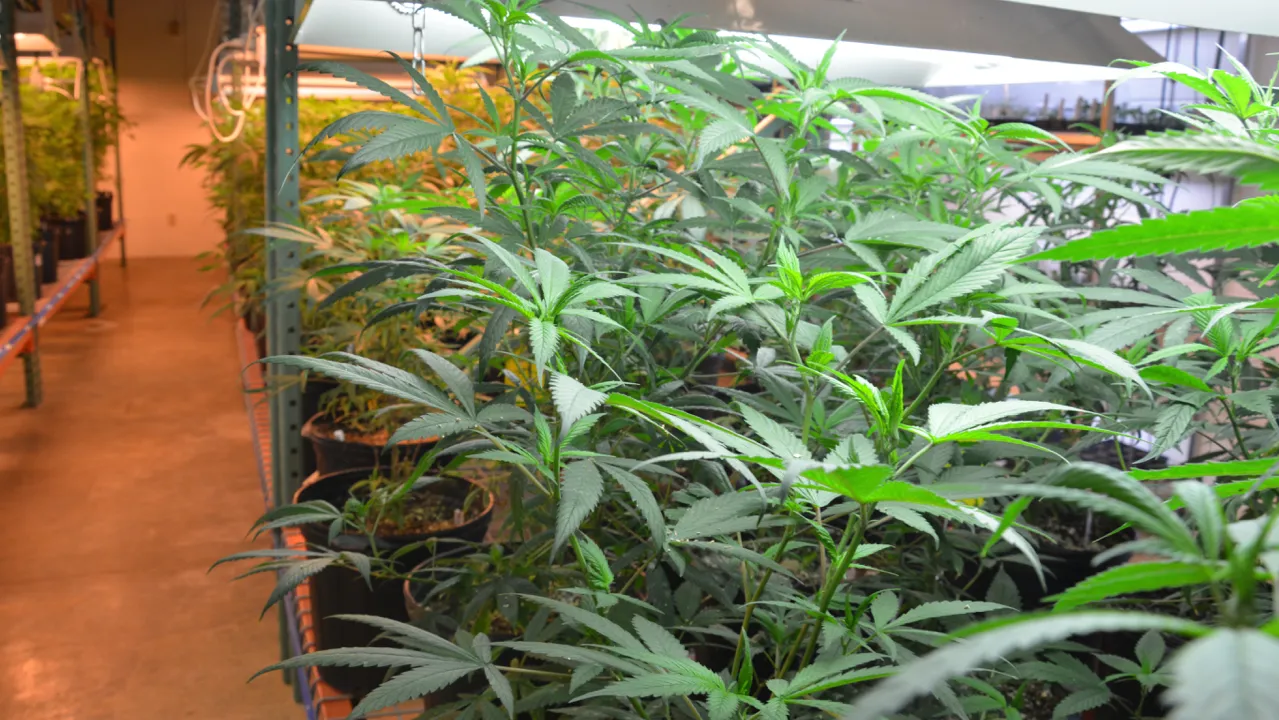
For over 50 years, the University of Mississippi has been the sole institution in the United States authorized to cultivate marijuana for federally approved research. However, the landscape surrounding marijuana has evolved considerably since the late 1960s, and the university’s National Center for Natural Products Research may soon have competitors in this field.
Under a contract with the National Institute on Drug Abuse (NIDA), the School of Pharmacy at Ole Miss has been involved in the cultivation, processing, and research of cannabis products since NIDA’s establishment in 1974. Donald Stanford, assistant director of the Research Institute of Pharmaceutical Sciences, noted that the marijuana used in federally approved research throughout the U.S. has been sourced from their campus.
Shifts in DEA Regulations
The exclusive right to produce cannabis at a single institution stemmed from the Drug Enforcement Administration’s (DEA) interpretation of the 1961 international Single Convention Treaty, which allowed each country to designate one “single agent.” Until 2016, NIDA served as that agent while Ole Miss was its only supplier. Currently, as the university prepares a proposal for its next five-year contract with NIDA, a shift in DEA regulations now opens the door for multiple institutions to grow marijuana for research.
Impact of Competition
Despite the emerging competition, seasoned researchers at Ole Miss remain confident in their extensive experience and capabilities. Mahmoud ElSohly, a research professor who has been involved in the marijuana project since 1975, expressed little concern over new entrants, asserting that they possess superior infrastructure, expertise, and historical performance.
ElSohly pointed out that past restrictions limited the university’s ability to produce a diverse range of high-THC cannabis products. However, the current situation has changed, allowing Ole Miss to meet various research needs effectively.
Opportunities Amid Legalization
Researchers at Ole Miss view the evolving landscape of marijuana legalization as a chance to enhance their research’s relevance. With Mississippi developing its medical marijuana program, new pathways for collaboration and knowledge-sharing with certifying labs are anticipated. ElSohly emphasized the need for education among medical practitioners to ensure optimal patient outcomes.
Moreover, the School of Pharmacy plans to establish a new center dedicated to studying dispensary products, a focus separate from NIDA’s federally regulated work. The university previously faced challenges analyzing legal dispensary products due to restrictions governing interstate transport of cannabis items.
Research Contributions and Challenges
The increasing legalization of cannabis has affected the university’s Drug Potency Monitoring Program. Since 1975, the DEA has sent seized marijuana samples for testing. However, as fewer seizures occur due to legalization, the number of samples received has drastically declined, impacting ongoing research efforts.
Notably, the Ole Miss marijuana project has made significant strides in various research areas, including THC-infused eyedrops for glaucoma and ongoing clinical trials on CBD, which demonstrated a lack of abuse potential. As they navigate the complexities of marijuana research, the team at Ole Miss remains committed to advancing the understanding of cannabis and its effects.
