


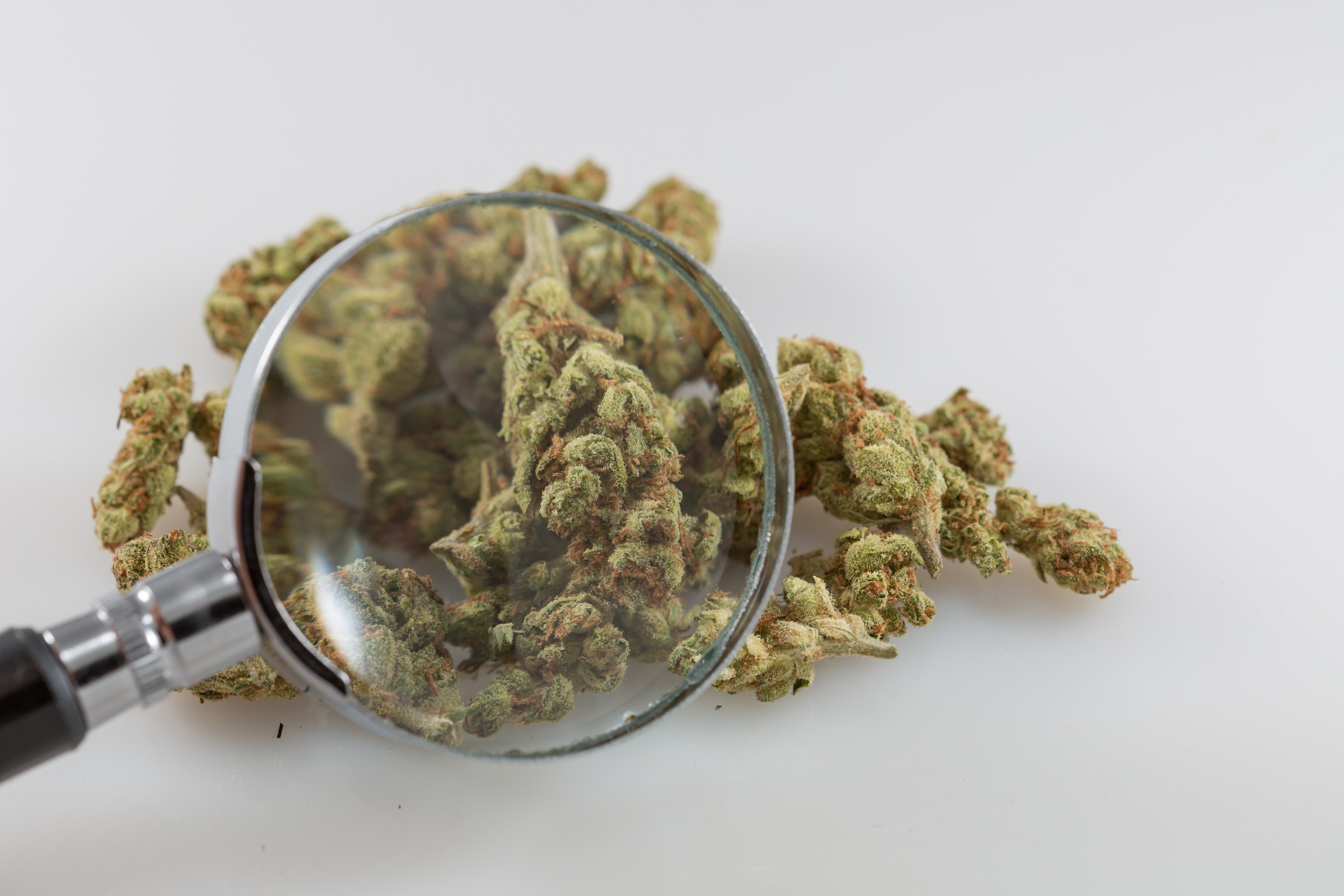
The University of Mississippi, which for decades held a monopoly as the sole institution federally authorized to cultivate marijuana for research, is announcing the launch of a new cannabis research center funded by a federal grant. This center, known as the National Institutes of Health’s (NIH) Resource Center for Cannabis and Cannabinoid Research (R3CR), was initially announced in late 2023.
Ole Miss will collaborate with Washington State University (WSU) and the United States Pharmacopoeia (USP), with backing from a grant awarded by the National Center for Complementary and Integrative Health (NCCIH) under NIH. Ole Miss will take the lead in regulatory guidance, while WSU will provide research support and USP will focus on establishing research standards.
Establishing Research Standards and Support
The NIH resource center will be hosted within Ole Miss’s National Center for Natural Products Research, aiming to deliver cannabis research information through an interactive website, webinars, seed funding, and conferences. This initiative seeks to support researchers in generating scientifically-backed evidence regarding cannabis.
Donald Stanford, Assistant Director of the University of Mississippi’s Research Institute of Pharmaceutical Sciences, emphasized that R3CR aims to highlight significant advancements in cannabis research, including enhanced regulatory compliance and the development of new cannabis technologies. These efforts can inform FDA decisions regarding cannabinoid safety in food and dietary supplements, ultimately benefiting public health.
Facilitating Compliance and Research
The center’s overarching goal is to provide guidance on regulations, quality standards, and best practices. Stanford expressed excitement about potential long-term outcomes, noting that many people face diseases that could be treated with alternative therapies.
Mahmoud ElSohly, who has led the university’s cannabis cultivation and research division, will spearhead the cannabis regulatory guidance initiative. He noted the complexities involved in cannabis studies due to varying regulations across federal and state agencies, underscoring the necessity for both researchers and administrators to fully understand compliance requirements.
ElSohly will work alongside Robert Welch, Director of the university’s National Center for Cannabis Research and Education. Welch pointed out that researchers often face uncertainty regarding regulatory requirements when conducting cannabis studies involving human subjects. There is a collective interest from both the FDA and state-sanctioned medical cannabis programs to facilitate research that addresses safety and efficacy concerns.
The NIH’s decision to establish this cannabis research center follows recognition of the barriers scientists encounter under federal prohibition, including complex regulations and insufficient cannabis supplies. Addressing these challenges has become a priority for multiple federal health agencies, particularly as access to cannabis for research remains burdensome and costly due to its classification as a Schedule I drug under the Controlled Substances Act (CSA).
While R3CR will not change cannabis scheduling policies — currently under review by the Drug Enforcement Administration (DEA) — the center is expected to alleviate some regulatory burdens. For example, it may assist with costs associated with DEA Schedule I research registration and other federal regulatory obligations, in addition to addressing equipment and material needs for cannabis research.
The announcement of R3CR follows a National Advisory Council for Complementary and Integrative Health (NACCIH) meeting, where the concept for the institute received approval. However, the DEA has recently informed an agency judge that the marijuana rescheduling process is currently on hold, with no future actions scheduled as it awaits input from the acting administrator, who has expressed concerns about cannabis use.
