


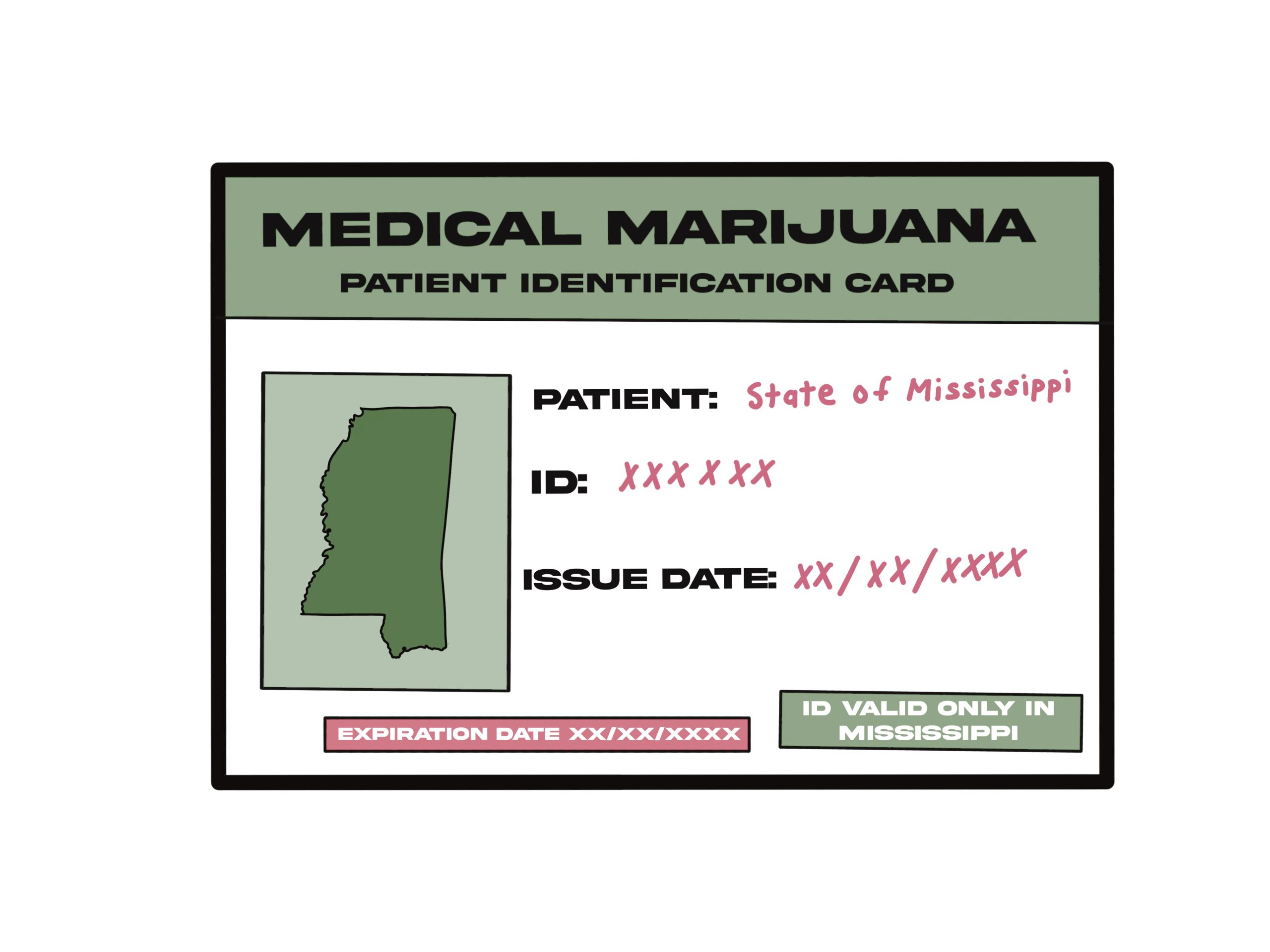
In a state where many residents struggle to access adequate medical care, the legalization of medical marijuana in Mississippi marks a significant advancement. Patients with 23 qualifying conditions, including Alzheimer’s disease, cancer, muscular dystrophy, Parkinson’s disease, and sickle cell disease, can now use medical marijuana to alleviate their pain and manage their illnesses.
Governor Tate Reeves signed the medical marijuana bill into law on February 2, 2022, culminating a challenging journey toward legalization. “We’re really excited about the program being a reality now,” said Melvin Robinson III, communications director for the Mississippi Cannabis Trade Association. “Man, it was a long time coming.”
A Historical Perspective on Cannabis Legislation
The medical benefits of cannabis have been acknowledged in the U.S. since the mid-19th century. The United States Pharmacopeia included cannabis for medicinal use for the first time in 1850, just two years after the establishment of the University of Mississippi. However, the relationship between the U.S. and cannabis has been tumultuous.
While cannabis was a common patent medicine in the 19th century, it was removed from the Pharmacopeia in 1943, following the federal restrictions initiated by the Marihuana Tax Act of 1937. The passage of the Controlled Substances Act in 1970 classified cannabis as a Schedule I controlled substance, devoid of accepted medical use and with high potential for abuse, essentially closing the door on legal marijuana usage.
Nearly three decades later, California became the first state to ease restrictions with the 1996 Compassionate Use Act. Since then, many states have amended regulations to accommodate both medical and recreational cannabis usage, with only four states maintaining a complete ban.
The Path to Legalization in Mississippi
Mississippi recently joined the ranks of states legalizing medical marijuana with the Mississippi Medical Cannabis Act coming into effect this year. Although the law was enacted swiftly, the road to legalization was fraught with challenges.
In 2014, Mississippi House Bill 1231, also known as “Harper Grace’s Law,” allowed for the use of cannabis extracts containing high levels of cannabidiol (CBD) but limited tetrahydrocannabinol (THC). This measure, however, was deemed insufficient by many seeking chronic pain relief.
The landscape shifted in 2020 with Initiative 65, a citizen-driven effort that garnered over 228,000 signatures from registered voters to place medical marijuana on the ballot. The initiative proposed medical marijuana for more than 20 conditions, permitting possession of up to 2.5 ounces and subjecting sales to a 7% tax rate.
Despite a competing measure, Initiative 65A, which sought to limit medical marijuana to terminally ill patients and establish guidelines for regulation, Initiative 65 won significant public support. In November 2020, 74% of voters opted to amend the state constitution to allow qualified patients access to medical marijuana, while only 26% supported Initiative 65A.
Challenges and Resurgence
This triumphant moment was short-lived, as the Mississippi Supreme Court controversially struck down the initiative in a 6-3 decision, highlighting issues with the constitutional requirement for referendum signatures across all five congressional districts. With redistricting reducing Mississippi’s congressional seats to four, this rendered the initiative process effectively void.
Concern arose that this decision was an attempt to stifle the medical cannabis movement in the state, particularly as lawmakers had blocked over 20 bills advocating for a medical marijuana program in the preceding decade. Angie Calhoun, mother to a son with a condition treatable by medical cannabis, expressed her heartbreak over the decision, emphasizing the disappointment felt by many families relying on access to medical marijuana.
Public outcry spurred a renewed legislative effort, culminating in January 2022 with Senate Bill 2095, introduced by ten senators. This bill echoed many provisions of Initiative 65 and quickly garnered overwhelming legislative support, passing with a vote of 46-4 in the Senate and 103-13 in the House.
Senator Kevin Blackwell, the bill’s sponsor, emphasized its importance by stating, “There are a lot of sick folks out there that this is going to help, and there are a lot of people that have been waiting a long time.”
