


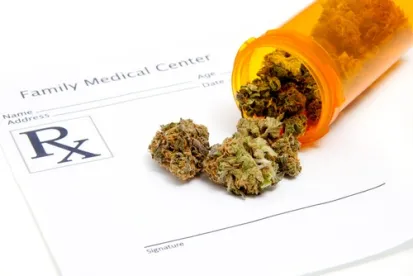
Medical marijuana products are expected to become available in Mississippi later this fall, albeit under strict regulations. Eligible patients will need to be registered and diagnosed with a specific condition as listed by a medical practitioner. This development raises important questions for employers regarding how to navigate the new landscape of medical marijuana use in the workplace.
Understanding Employer Obligations
The Mississippi medical marijuana law explicitly states that employers are not obligated to permit the use of medical cannabis on the job. Additionally, employers are not required to adjust job descriptions for employees who seek to use medical marijuana at work. However, the Americans with Disabilities Act (ADA) could complicate this aspect, as several qualifying conditions for medical cannabis may also be regarded as disabilities, potentially initiating discussions around reasonable accommodations.
The law permits employers to refuse hiring or to take adverse actions against employees who use medical marijuana on the job, regardless of any indication of impairment. Thus, employers are provided with a level of protection making it unclear if medical cannabis use could be considered a valid ADA accommodation.
Drug Testing Policies
Mississippi law allows employers to maintain drug testing policies. Employers retain the right to refuse to hire, discipline, or terminate an employee for marijuana use, even when used medically. Consulting with a testing service or Medical Review Officer may be prudent to determine whether employees should disclose medical marijuana use similarly to any other prescription medication. It is essential for employers to uphold non-discriminatory practices in administering drug tests while remaining mindful of potential reasonable accommodations.
Legal Protections for Employers
Under the Mississippi law, employees do not have the right to sue employers for adverse employment actions taken due to medical marijuana use. Although the interplay between the ADA and state legislation remains uncertain, prior judicial rulings indicate that the federal Controlled Substances Act’s prohibition of marijuana may nullify medical cannabis usage as a valid accommodation. Observing how these legal landscapes evolve will be critical for employers in managing workplace policies effectively.
