


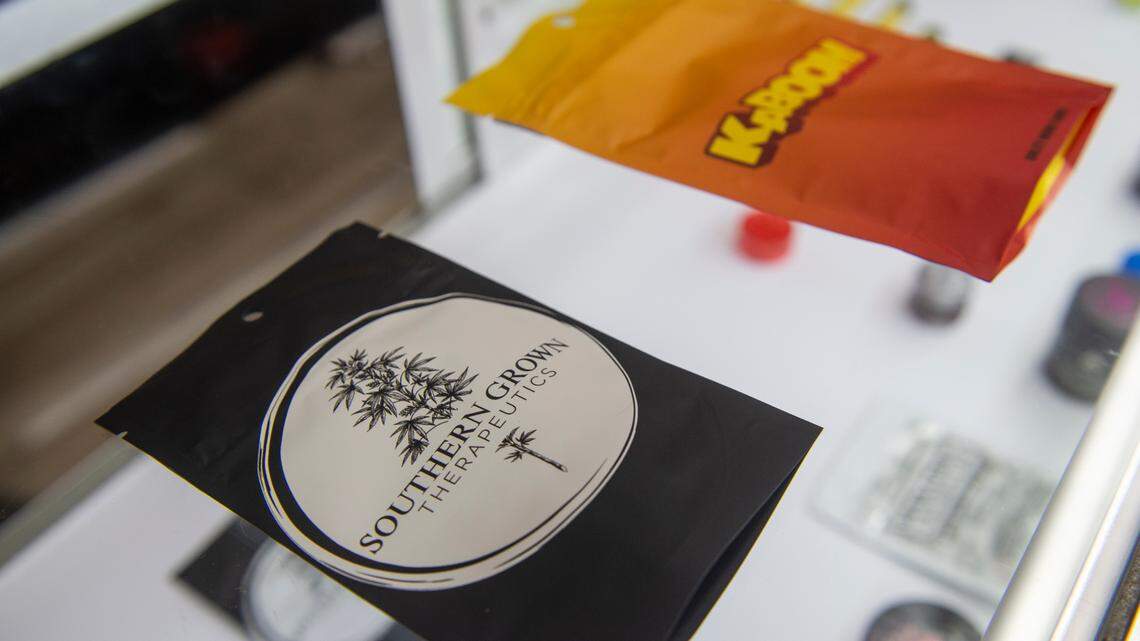
For several days, Dixon Dispensaries faced constraints in its sales as the Mississippi Department of Health placed a hold on certain medical cannabis products pending retesting. Owner John Dixon reported that approximately 85 percent of their inventory had to be stored away. Similar to other dispensaries, Dixon had the option to resupply from alternative sources or deal with empty shelves until further notice.
Impact on Local Dispensaries
Good Day Farm Dispensary was significantly affected, with most of its products pulled from the shelves. The Biloxi dispensary opted to close for several days, reopening with a limited supply after addressing the hold. The Mississippi State Department of Health imposed this administrative hold to retest medical cannabis products for potential pesticides and mycotoxins.
Resilience in the Face of Regulatory Challenges
Dixon indicated that he was better positioned than many local dispensaries due to access to products tested in facilities unaffected by the hold. Additionally, he had capital from his other businesses to mitigate costs associated with restocking his Gulfport location. Currently, Dixon Dispensaries is approximately 50 percent operational. “It takes $20,000 to $30,000 minimum just to put products in the store. I’m just blessed that I had other resources to pull from,” Dixon noted. In contrast, smaller “mom-and-pop” stores faced more severe challenges as they lacked similar resources.
Health Safety and Testing Procedures
The administrative hold was enacted to ensure safety, as ingesting or inhaling pesticides and mycotoxins can cause chronic damage to vital organs. Fortunately, no affected products were recalled or deemed unsafe, and there have been no reported illnesses linked to these products. According to Laura Goodson, Director of the Mississippi Medical Cannabis Program, the state’s seed-to-sale tracking system allows the agency to isolate relevant batches quickly and expedite retesting processes.
Prioritization of Testing
The retesting will prioritize products based on type, starting with cannabis flower and bud, which form the base for many other products, followed by concentrates and infused items. As batches pass the retesting, they will be removed from the hold and made available for sale again. Patients are encouraged to reach out to their dispensaries for updates on available products.
This situation highlights the ongoing impacts of regulatory measures within the Mississippi cannabis industry, underlining the need for dispensaries to adapt and navigate through compliance demands while ensuring product safety.
