

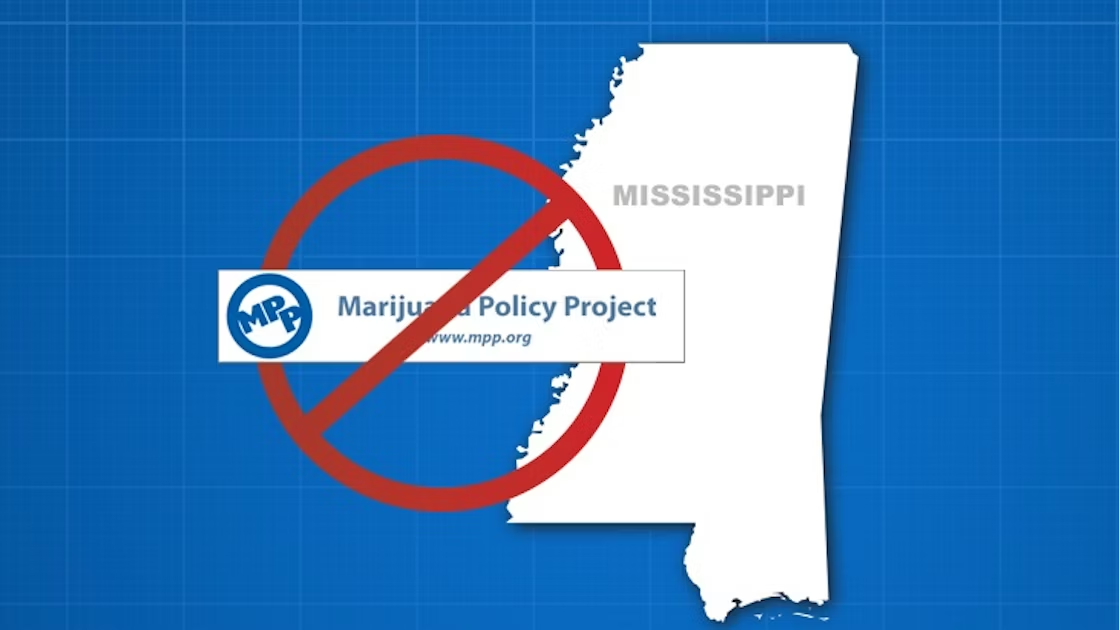
The state of Mississippi has imposed a ban on the Marijuana Policy Project (MPP), a national advocacy and lobbying organization, from fundraising within its borders. This decision stems from the felony conviction of MPP’s executive director, Rob Kampia, who was found guilty of growing marijuana for personal use during his college years, 26 years ago.
Following his conviction, Kampia co-founded MPP to actively work towards the repeal of marijuana prohibition across the country. In an email to MPP’s constituents, he expressed frustration over the ban, which also restricts MPP from contacting its email subscribers residing in Mississippi. “This is a circular ‘double screw,’” he wrote, highlighting the barriers faced in challenging the state’s fundraising regulations.
Kampia’s Comments on First Amendment Violations
Kampia criticized the ban, stating, “It is ridiculous to prohibit an entire non-profit organization from fundraising in a state because the group’s director got caught growing marijuana as a college student more than two decades ago.” He emphasized that such restrictions violate the First Amendment right to freedom of speech, as seen in legal precedents equating money to speech. He argued that there is no logical reason to bar a felon without a history of financial crimes from raising funds for political and educational efforts.
Legal Challenges Ahead
Chris Lindsey, MPP’s staff attorney, noted that Mississippi might be unique in enforcing a fundraising law like this one. He outlined the potential next steps, including an appeal process that will begin with an administrative hearing. “A judge would review the decision and either support or reject the determination by the Mississippi Secretary of State,” he explained. If the outcome is unfavorable, they may pursue additional legal action in state court.
Lindsey further criticized the law’s vagueness and suggested that the Secretary of State misinterpreted its intent. He argued that restricting organizations from fundraising over the employment of felons is inherently unjust, particularly for groups seeking reforms in the criminal justice system.
Past Discrimination Against MPP
Kampia pointed out that this ban is not the first instance of discrimination faced by MPP. He cited multiple challenges, including threats to the organization’s retirement plan, difficulty in securing a line of credit from their long-time bank, hurdles in opening a brokerage account, and problems with obtaining credit card processing services. He noted, “Numerous landlords wouldn’t lease office space to us or our campaigns, and the IRS has audited us twice.”
In light of these challenges, MPP is calling on supporters to contribute, emphasizing a commitment to contest Mississippi’s restrictive fundraising law while continuing their efforts to reform some of the country’s most problematic marijuana regulations.
