


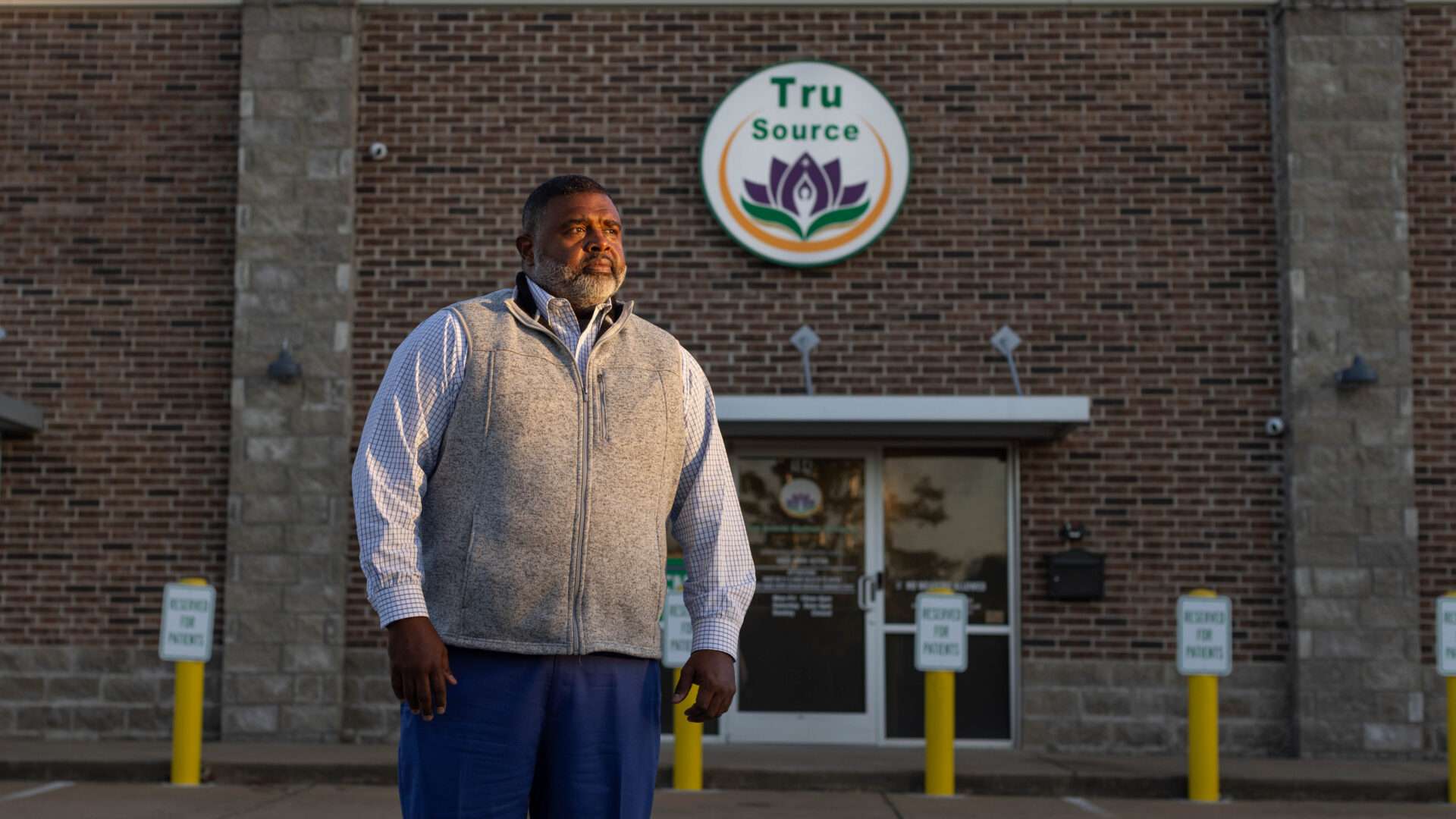
Small-business owner Clarence Cocroft has faced unique challenges as he navigates the advertising landscape for his cannabis business in DeSoto County, Mississippi. Despite budgeting for marketing and even investing in billboards, state regulations have imposed strict limitations on how he can promote Tru Source Medical Cannabis, Mississippi’s first black-owned medical marijuana dispensary.
Regulatory Constraints in Mississippi’s Cannabis Industry
Cocroft is currently under restrictions that prevent him from advertising on radio or television, in newspapers, online, or via outdoor signage, apart from a sign on his property and a basic website. This regulatory framework comes in the wake of Mississippi lawmakers legalizing medical marijuana in 2022 while simultaneously empowering the state Department of Health to control marketing practices within the industry. This conflicting approach has left Cocroft in a precarious position; he operates legally but is unable to communicate his business’s existence to potential customers.
Upon its launch, the full scope of these advertising limitations became apparent. “I own this billboard,” Cocroft remarked in a 2023 interview, gesturing toward one of his unused highway signs. “But I cannot advertise because it is a medical marijuana business.”
The Unique Nature of Mississippi’s Legal Landscape
Unlike in other states where tensions arise between federal and state marijuana laws, Mississippi’s situation is more insular. Since California first established its own cannabis policy in 1996, 40 states have since adopted various marijuana laws. However, Mississippi is navigating its own legal maze without federal encroachment, asserting that medical marijuana is legal for sale but not for advertising. This creates a paradox: Cocroft can legally operate his business but is barred from discussing it publicly.
“When you can’t advertise, it’s a disaster,” he stated, highlighting the challenges posed by this situation. “They’re setting you up for failure.” The censorship imposed in Mississippi raises constitutional questions; the Supreme Court has previously upheld that the First Amendment protects truthful advertising for legal products. However, Mississippi’s approach seeks to balance state legality and federal prohibitions, complicating the advertising discourse for cannabis-related businesses.
Legal Challenges and Future Implications
Cocroft has sought to challenge these restrictions in court. In 2023, he filed a First Amendment lawsuit with representation from the Institute for Justice. Despite Supreme Court precedent, the 5th U.S. Circuit Court of Appeals ruled against him in late 2024, stating that the state faced no constitutional obstacles to restricting commercial speech related to “unlawful transactions.” This ruling underscores a troubling precedent where Mississippi’s regulatory framework selectively silences certain business owners like Cocroft while allowing other industries unrestricted advertising opportunities.
“You will see billboards from casinos to gentlemen’s clubs,” Cocroft observed. “This is the only industry they will not allow advertising.” Without a change in this legal landscape, the discrimination faced by cannabis businesses in Mississippi is likely to persist. Cocroft remains undeterred and has petitioned the Supreme Court to review his case in March 2025, explaining that he aims not just to advocate for his business but to ensure that patients who may benefit from medical marijuana can find his dispensary.
“Chemo patients, patients suffering from depression, patients with PTSD, veterans, and those with neuropathic pain have a story,” Cocroft emphasized. “It’s important to make their voices heard.”
Clarification from the Supreme Court could have ripple effects beyond Mississippi, impacting advertising regulations for cannabis dispensaries across the nation. As it stands, other states impose their own restrictions; from prohibiting highway billboards in California to requiring pre-approval of advertisements in Minnesota.
Ultimately, Cocroft’s fight embodies broader issues within the cannabis industry, balancing state laws with federal implications while highlighting the importance of fair advertising practices for legal businesses.
