


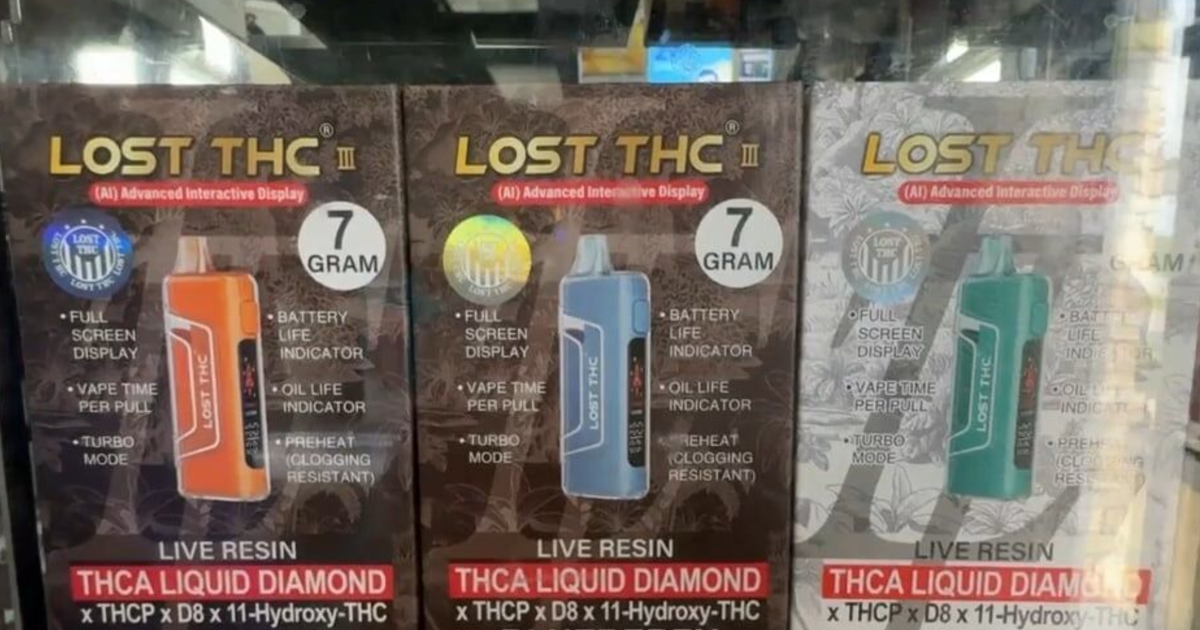
In Mississippi, the attorney general has issued a legal opinion declaring it illegal to sell hemp products that lack FDA approval or are not part of the state’s medical marijuana program. This directive has prompted some law enforcement agencies to begin enforcing the opinion. In many convenience stores and vape shops across the region, THC-variant products, often with enticing names like “blueberry yum-yum” or “Skywalker OG,” have become prevalent. These products advertise ingredients such as Delta 8 THC or 11-Hydroxy THC, which can mimic the effects of marijuana.
Concerns Over Regulation and Safety
Zack Wilson, a medical marijuana cultivator, expressed concern over the influx of these gas station products. He noted many of them come from out of state and undergo minimal testing, a situation that raises significant safety issues. Wilson described the emergence of such hemp products as a loophole in the regulation of THC, the psychoactive component of marijuana. He stated, “Basically, they let the lid off Pandora’s box, and it’s too late now.”
Attorney General Lynn Fitch’s opinion clarifies that hemp products without FDA approval cannot be sold in Mississippi. In response, the Lafayette County Sheriff’s Office has warned convenience stores in unincorporated areas about the legal ramifications of continuing to sell these products, including potential felony charges for noncompliance. Charles Couey, president of the Southern Hemp Coalition of Mississippi, criticized this approach, stating that no legislative changes have occurred and suggesting that the opinion is more of a scare tactic than a legitimate legal adjustment.
Couey, who owns a CBD store in Southaven and advocates for hemp reform, emphasized the unintended consequences of the attorney general’s stance. If enforced as is, the opinion could result in a ban on all hemp products in the state, including CBD items that do not produce any psychoactive effects. He argued for regulation over a blanket ban, acknowledging that while there are problematic products on the market, the absence of regulation exacerbates these issues. “There are bad players on the market. But you know why that exists? Because there is no regulation,” Couey remarked.
The DeSoto County Sheriff’s Office has not yet issued warnings or taken action against local stores regarding these hemp products. As the legal landscape continues to evolve, stakeholders in Mississippi’s cannabis industry will need to stay vigilant about regulatory developments and their potential impact on businesses and consumers alike.
