

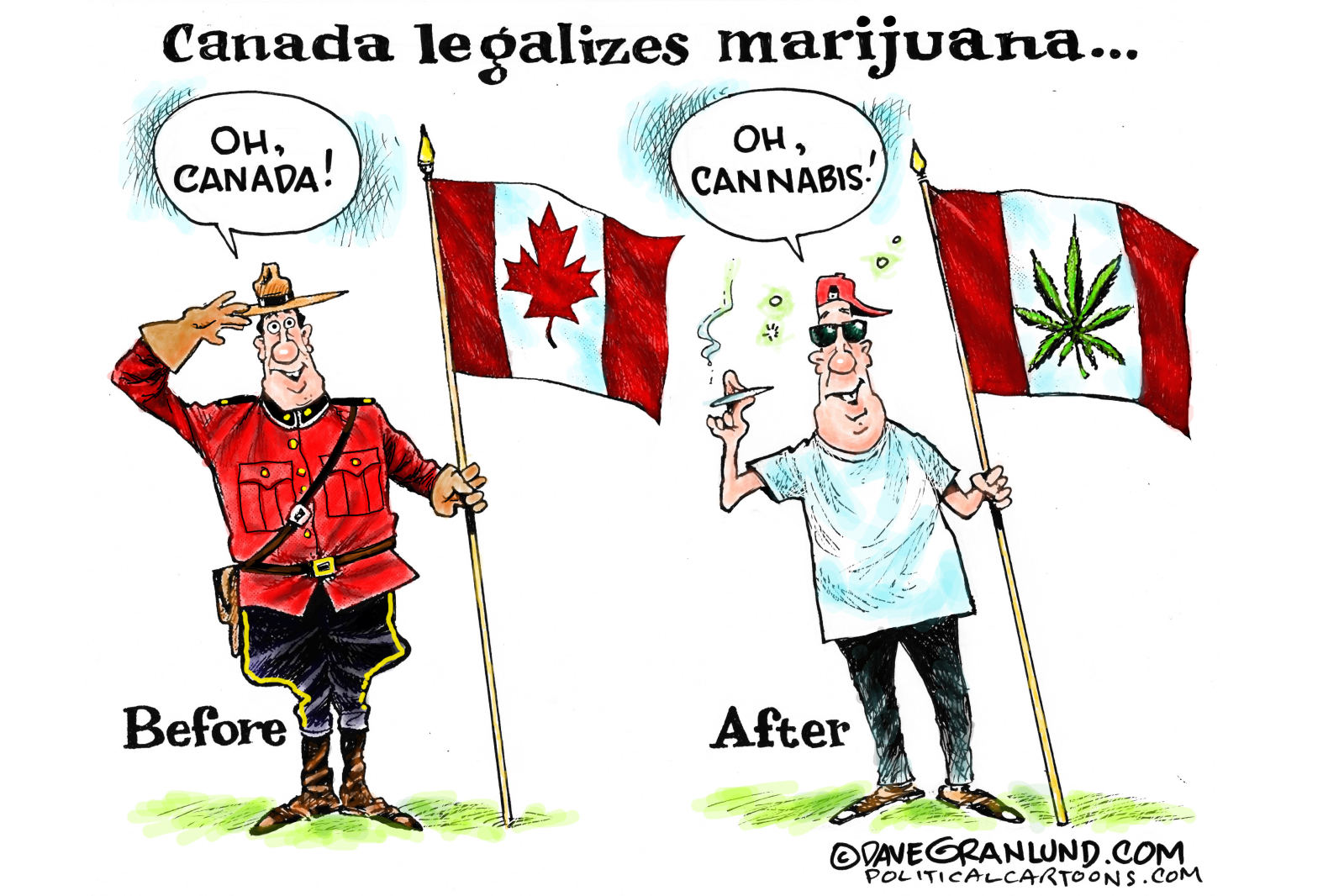
People often underreport their engagement in controversial behaviors; however, over half of adults under 50 acknowledge having tried cannabis, with 30% indicating usage in the past year. The cannabis industry is a stable, multibillion-dollar sector transitioning from criminal status to public regulation. The nonprofit Environmental Resource Council has overseen Minnesota’s cannabis decriminalization program for 24 years and continues to focus on civic engagement and public health. Currently, 25 states have legalized cannabis for adult use, and we analyzed five states where legalization has been in effect for over five years.
Positive Outcomes from Thoughtful Management
Our observations indicate that if the transition to legalization is carefully managed, several positive outcomes can occur. For instance, adolescent cannabis use tends to decline, as licensed providers do not sell to minors. Additionally, the decrease in criminal revenues appears to mitigate other forms of crime. Similar to the historical repeal of alcohol prohibition, reduced criminal revenue leads to diminished crime associated with cannabis. Properly regulated providers can flourish, while state and local governments benefit from tax revenues that would otherwise be channeled to illegal operations. Legal products ensure quality, controlling for impurities, and providing consistent dosages which contribute to safer consumption. Warnings about misuse are systematically integrated through packaging, community public health initiatives, and enhanced school substance abuse education.
Challenges from Poor Management
Conversely, if the transition is poorly executed, several negative consequences may arise. Communities might misinterpret adult legalization as a signal that cannabis is risk-free, leading to public health issues. The profit-centric model can prompt regulated providers to use aggressive marketing strategies reminiscent of unregulated tobacco and alcohol industries. Legal frameworks for provider licensing can result in conflicts or litigation between state and local regulations. Law enforcement may mistakenly assume that legalization permits non-compliance among unlicensed providers, who often target underage consumers with unregulated products. Furthermore, the influx of new public revenues can exacerbate disputes among state and local agencies.
Community Responsibility and Local Opportunities
Local government leaders must embrace their civic and public health responsibilities in overcoming criminal control by implementing effective management strategies. This includes enforcing responsible labeling, instituting public warnings against misuse, restricting marketing practices, and supporting comprehensive substance abuse education in schools. Law enforcement must also address ramifications associated with intoxicated driving, taking financial considerations into account.
Following New York’s legalization of cannabis in 2021, mismanagement drew significant criticism. An editorial in the New York Times called for stricter regulations, prompting Governor Kathy Hochul to label the effort a “disaster.” In response, reforms were initiated in partnership with local governments and law enforcement, leading to the closure of over 1,000 illegal distributors and enhanced drug education efforts.
California’s experience with cannabis legalization began in 2018; however, significant issues persist, particularly regarding youth access. As noted in a March 4 article by the Wall Street Journal, California high schools are struggling to limit cannabis access, even during school hours. The prevailing perception of cannabis as risk-free, fueled by aggressive marketing, undermines health and safety warnings, allowing illegal operations to flourish.
In conclusion, while cannabis legalization presents challenges, it is a necessary step for state and local governments. By learning from the experiences of other states, Mississippi can navigate this transition more effectively, fostering a regulated industry that promotes public health and community wellbeing.
Bruce Bomier of Anoka, Minnesota, serves as board chairman for the nonprofit Environmental Resource Council, which provides cannabis-related publications on civics and health available at envrc.org. Former Duluth City Attorney Bryan Brown, who contributed to this commentary prior to his passing in November, served on the council’s board for 22 years.
