


As more patients obtain their registration cards to join Mississippi’s medical cannabis program, around 50 licensed cannabis cultivator companies are working to deliver their crops to consumers. The industry is anticipated to become operational in early 2023, but in this tightly regulated market, many micro-growers are under pressure to navigate state regulations while ensuring profitability.
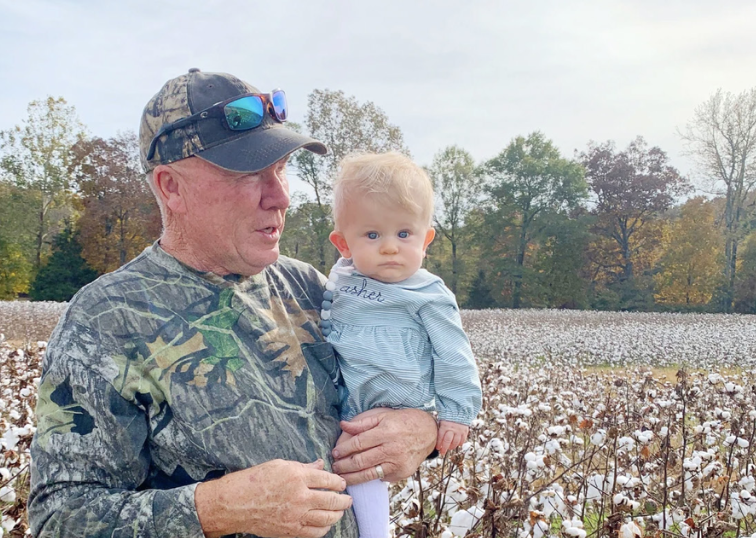
Lorri Williamson, part of New Altitude Farms, previously served as a professor at the University of Mississippi for 23 years in the criminal justice department. Her husband, Mike, has deep agricultural roots in Water Valley, having lived on his family farm since their marriage. Over a year ago, Mike decided to cease cotton production, as their frugal farm was hindered by an aging cotton picker that required parts no longer manufactured. A replacement would cost around $1 million, which led them to consider cannabis cultivation.
Licensing and Regulatory Challenges for Micro-Growers
The micro-growers licensing system comprises two tiers. Tier 1 requires a $1,500 application fee and a $2,000 annual fee, allowing cultivation of up to 1,000 square feet. In Tier 2, with a $2,500 application fee and a $3,500 annual fee, growers can cultivate between 1,000 and 2,000 square feet. Attorney Slates Veazey, specializing in cannabis law in Jackson, believes this tier system helps stabilize the market for micro-growers.
“The legislation aims to create an equitable program where businesses across different tiers can thrive,” Veazey stated, noting the comparative affordability of licenses for micro-cultivators and processors. He also mentioned a public interest in supporting smaller cannabis operations.
However, the Williamsons are uncertain they can even begin cultivation amid shifts in legislation. “I’d like to understand the reasoning behind constant regulatory changes,” said Williamson. Recently, the Department of Revenue announced that growers would need to package their cannabis in addition to cultivating and transporting it via certified companies.
The state’s requirement for indoor farming has posed significant challenges for both the Williamsons and larger firms like Mockingbird Cannabis LLC. Despite investing over $26 million, Mockingbird faced issues in September when caught growing in hoop houses, a possible violation they are currently disputing.
Adapting to New Regulations
With assistance from a more experienced cannabis grower, the Williamsons converted their sweet potato shed into a fully enclosed grow facility equipped with advanced grow lights. Lorri expressed, “We hope that small farmers can participate in this market,” but acknowledged the high associated costs.
Regulations mandate that all cultivation facilities be fully enclosed and devoid of natural sunlight, requiring controlled artificial lighting. This restriction affected Mockingbird, which had to destroy over $1 million worth of crops due to sun exposure.
Gary Beck, co-owner of Be Green, innovated by utilizing truck trailers for his micro-growing operation and keeps the location undisclosed for security reasons. He anticipates that the federal Food and Drug Administration (FDA) will soon regulate the industry and is preparing his trailers to be FDA-compliant. Despite this foresight, current state requirements remain a struggle.
Oversight of the burgeoning cannabis industry falls under the jurisdiction of the Mississippi Department of Health and the Department of Revenue, but they are still working on staffing and struggling to keep pace with industry growth. Beck criticized the lawmakers for their frequent regulatory changes, which disrupt planning for business owners relying on significant investments.
Comparative Regulation Insights
While concerns about regulatory consistency exist, attorney Slates Veazey offers a different perspective. “The insights from other states’ programs have shaped our cannabis legislation,” he said, emphasizing that Mississippi’s approach is less restrictive than states like Alabama.
Beck identifies hurdles in the Standard Operating Procedure (SOP), emphasizing that navigating the regulatory landscape can be burdensome for those trying to handle the process without legal assistance. Veazey echoed this, noting the necessary preparation and associated costs for compliant applications.
Having previously worked in cannabis research in Gainesville, Florida, Beck transitioned to this field due to his positive experiences with medical cannabis in managing chronic pain. He views Mississippi’s medical cannabis program as a personal empowerment opportunity for residents.
Economic Impact and Future of the Industry
When Initiative 65 aimed to legalize medical marijuana in Mississippi, analysts estimated it could generate around $800 million by 2024. However, projections now consider the delays and stricter policies. The industry will also contribute through a 7% sales tax on dispensary sales and a 5% excise tax based on sale price, linking state revenue success to growers’ prosperity.
Additionally, Mississippi prohibits cannabis exportation, limiting products to state consumption, which may restrict demand. Despite challenges, Beck believes the tax revenue could benefit education and job creation in various sectors within the state.
A wave of cannabis-related services has emerged, including testing facilities, waste disposal, security, and logistics, all essential for supporting cultivators and dispensaries. Despite the potential advantages, micro-growers face significant financial burdens, as many have invested their savings into this venture.
Lorri Williamson shared that her family has drawn from retirement funds to launch their cannabis cultivation, wanting the program to provide alternative solutions and a profitable future. She is among those banking on cannabis cultivation to support retirement plans.
Furthermore, Beck noted that many local farmers are obtaining multiple licenses to recover from financial setbacks faced due to COVID-19, transitioning from unsuccessful hemp ventures to cannabis cultivation.
The passage of Senate Bill 2725 in 2020 intended to establish a hemp cultivation program, yet funding was not approved, leaving many farmers disappointed. Although the state permits hemp cultivation under federal licensure, numerous growers suffered losses from unsold crops that exceeded regulated THC levels due to inadequate support.
Amid this new tide of opportunity, both Beck and Williamson hope to reshape the agricultural landscape in Mississippi, ensuring that local farmers can participate in the emerging cannabis industry while maintaining their legacies.
