

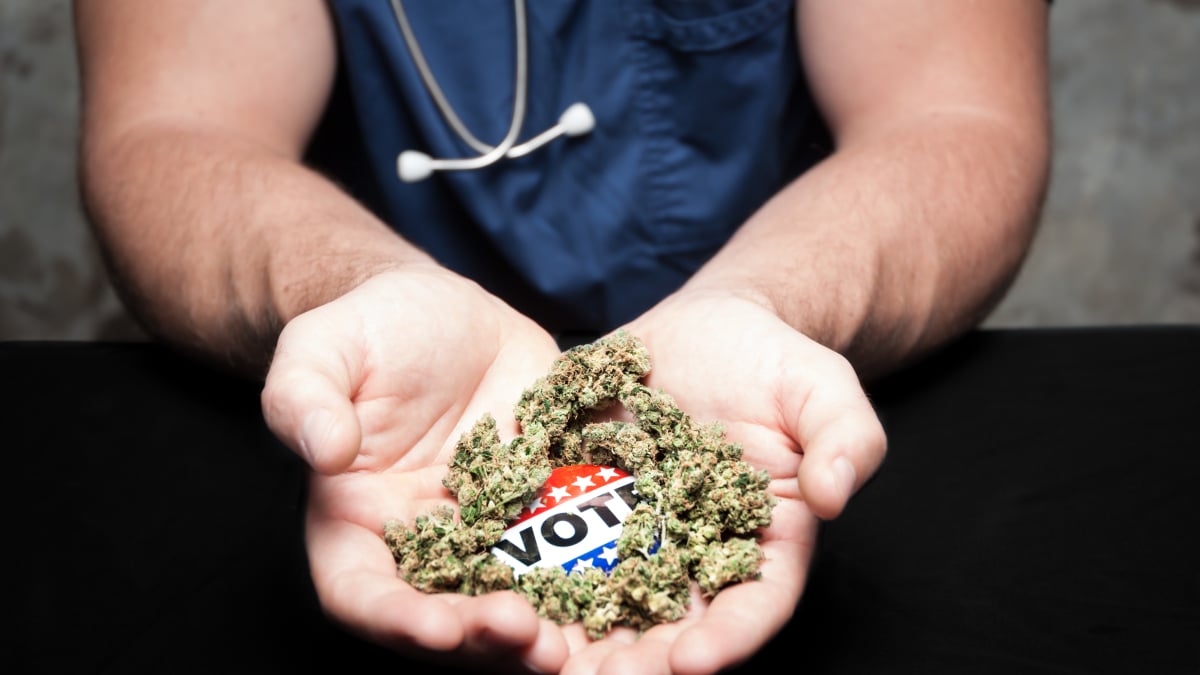
A significant shift is taking place across the United States towards a more cannabis-friendly future. As of November 3, 2020, marijuana is medically legal in 33 states and recreationally legal in 12 states, including Washington, D.C. While cannabis remains illegal at the federal level, several states have mounted measures on their ballots, reflecting an “overwhelming majority” of Americans’ readiness for progressive reform. This year, a range of drug reforms appeared on ballots in six states and Washington, D.C., with initiatives for recreational marijuana legalization in Arizona, Montana, New Jersey, and South Dakota. Mississippi voters were presented with a medical marijuana initiative, enabling healthcare providers to recommend cannabis for various health conditions.
Mississippi’s Medical Marijuana Initiative
Mississippi voted to legalize medical marijuana, allowing physicians to prescribe it for 22 approved medical conditions. This initiative stemmed from two measures: Initiative 65 passed, permitting doctors to prescribe cannabis to patients suffering from ailments such as cancer and Crohn’s disease. Under this policy, medical marijuana would be regulated by the state’s Department of Health, which is tasked with establishing the program by August 2021. The measure also stipulates a 7 percent tax on medical marijuana, allowing patients to possess up to 5 ounces.
Contrastingly, Initiative 65A, a more restrictive measure, limited access to terminally ill patients and gave the state legislature pivotal control over the regulatory framework without a firm deadline for implementation. Added complexity arose from the two-step voting process, contributing to voter confusion during the election. Notably, Governor Tate Reeves expressed opposition to Initiative 65, citing concerns from the community regarding increased accessibility.
Broader Trends in Cannabis Legislation
The trend extends beyond Mississippi, as other states also progressed in cannabis reform. Arizona and New Jersey voted to legalize recreational marijuana, while Montana established taxation and regulatory frameworks. South Dakota achieved a historic milestone by legalizing both medical and recreational cannabis in the same election.
Social Justice and Drug Policy Reform
Many measures on ballots included aspects of social justice reform, prompted largely by the Black Lives Matter movement’s focus on over-policing in communities of color. These initiatives aimed to address drug use as a public health issue rather than a criminal one, recognizing the impact of the War on Drugs on marginalized communities.
Oregon and D.C. Push Further
In Oregon, voters decriminalized all drugs, shifting addiction treatment to a health-focused paradigm. The state also approved psilocybin for medicinal use, marking a significant shift in drug policy. In Washington, D.C., a measure decriminalizing psychedelics like magic mushrooms reflects a growing trend to treat drug use as a health issue rather than a legal one.
As legislative landscapes evolve, the impacts of these initiatives offer future opportunities for the cannabis industry, particularly in states like Mississippi that are now embarking on their journey toward medical marijuana. The progressive pivot in drug policy is laying a foundation for a more equitable approach to cannabis regulations across the nation.
