

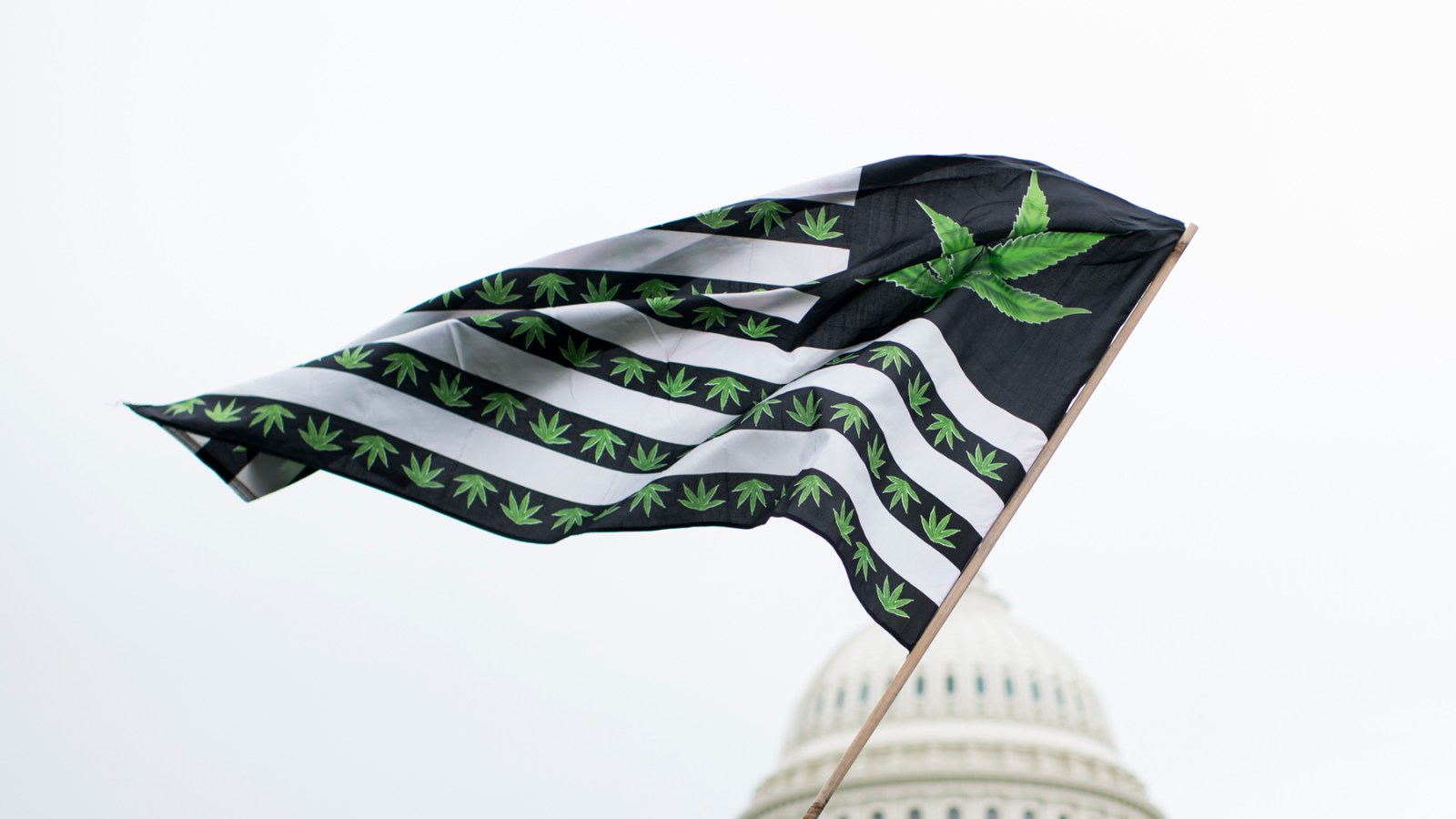
New Jersey Public Question 1 has successfully passed, resulting in the legalization of recreational cannabis in the state. This decision marks a significant shift in New Jersey’s cannabis policy, where historical increases in marijuana possession arrests contrasted with neighboring states that adopted regulated systems.
Kassandra Frederique, Executive Director of Drug Policy Action, expressed that this victory reflects the will of voters who have taken action where legislative efforts have fallen short. Frederique emphasized the importance of ensuring that the implementation of legalization prioritizes reparative measures for communities adversely affected by prohibition and harsh enforcement policies.
Wider Cannabis Legalization Trends
In a broader context, Arizona and Montana also voted in favor of recreational cannabis, while Mississippi legalized medicinal cannabis and South Dakota became the inaugural state to legalize both forms during the same election. With these outcomes, every cannabis-related measure on the ballot received approval.
Steve Hawkins, Executive Director of the Marijuana Policy Project, noted that this wave of legalization signifies a national trend, with one-third of the population now residing in regions where cannabis is legal for adult use. He stated that the federal government is increasingly out of sync with state-level reforms and that these changes offer a path to rectify social injustices stemming from the criminalization of cannabis.
Mississippi’s Legislative Developments
In Mississippi, the recent decision to legalize medicinal cannabis through Initiative 65 reflects a substantial shift in public opinion. Polls show strong bipartisan support for this measure, with a considerable majority of residents favoring access to cannabis for medical use, indicating an evolving landscape for cannabis policy in traditionally conservative states.
As states like Mississippi embrace cannabis reform, industry leaders anticipate new market opportunities for businesses that seek to engage in the emerging cannabis sector. This momentum could influence future legislation at the federal level, as lawmakers become increasingly attuned to the changing attitudes of their constituents.
In conclusion, the recent cannabis legalization measures across several states, including New Jersey, underscore a pivotal moment in U.S. cannabis policy, highlighting the potential for economic growth, social justice initiatives, and a shift toward regulatory frameworks that prioritize the welfare of communities impacted by past prohibition policies.
