


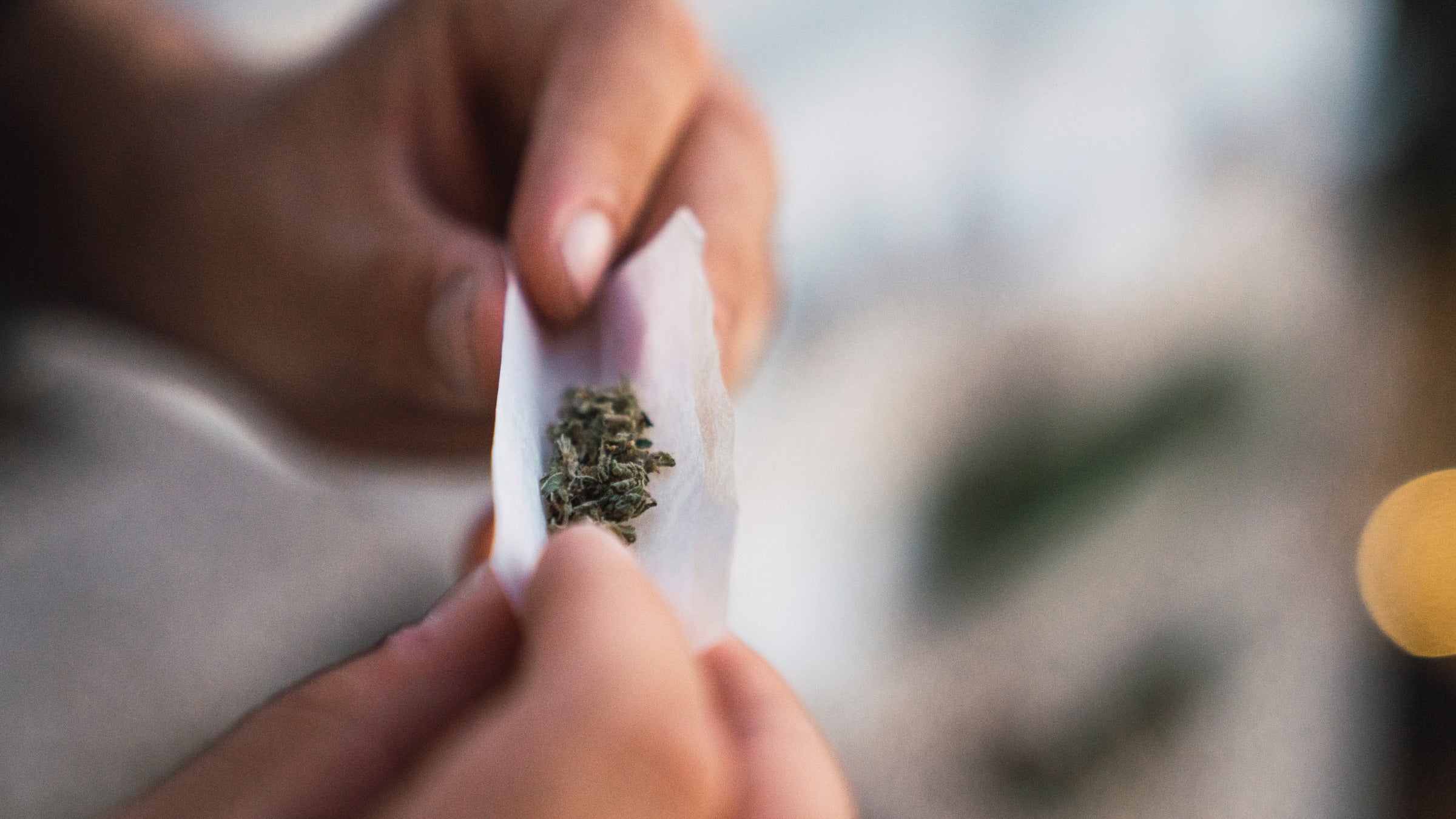
Individuals caught with cannabis on federal lands, including national parks, will now face intensified prosecution following new guidelines from the Department of Justice (DOJ). This marks a shift from recent years where low-level marijuana offenses were less frequently pursued.
Darin Smith, the Interim U.S. Attorney for the District of Wyoming, announced that the DOJ has instructed federal prosecutors to resume charging individuals for marijuana possession on federal lands. “Marijuana possession remains a federal crime in the United States, irrespective of varying state laws,” Smith emphasized. He also noted the ongoing societal challenges posed by drug use.
Impact of Recent DOJ Guidelines
Under the previous administration, a more lenient approach was adopted, allowing for reduced federal enforcement of marijuana laws, particularly in areas where states had legalized cannabis. This included President Biden’s 2022 pardons for countless individuals with low-level marijuana offenses and a directive to limit prosecutions. According to Smith, this shift had significantly reduced federal prosecutions for misdemeanor marijuana offenses.
Contrastingly, prior administrations took a stricter stance. Notably, the DOJ rescinded the Obama-era Cole Memorandum, which provided guidelines for federal enforcement in states with legalized cannabis. Smith’s jurisdiction encompasses the Grand Teton and Yellowstone national parks, among other significant natural areas.
Public Safety Considerations
Data from search and rescue organizations indicate that drug use, including both legal and illegal substances, contributes to several outdoor accidents. As experts have pointed out, experimenting with drugs while in remote wilderness areas can pose severe risks. Curtis Jones, of British Columbia’s North Shore Rescue, has stated that “the wilderness is unforgiving,” emphasizing the dangers of drug use in such environments.
While the correlation between cannabis legalization and public safety is still debated, studies present mixed findings. Research shows varied effects on traffic safety post-legalization, with some indicating increases in fatal accidents while others suggest no significant change compared to neighboring states.
As Mississippi continues to navigate its cannabis industry regulations and market developments, these changes in federal enforcement policy could have broader implications for businesses and visitors alike. Stakeholders in the cannabis sector will need to stay informed about evolving legislation and its potential impact on operations.
