


A massive global tech outage on Friday morning largely spared Mississippi’s critical infrastructure, with both state and private entities reporting minimal local impacts from what is considered one of the largest cybersecurity outages in recent history.
This outage disrupted countless businesses and public systems worldwide, leading to the grounding of thousands of flights across the U.S. and temporarily disabling 911 services in various states. Many hospitals were forced to cancel surgeries and appointments as entire departments became inoperative.
However, Mississippi’s civil and emergency infrastructure has shown resilience amid the disruptions, with state agencies reporting no significant disruptions to regular services following the incident. The extent of the outage’s impact on private businesses within the state remains unclear.
Cause of the Outage
The global tech outage stemmed from Falcon Sensor, a suite of programs developed by cybersecurity firm CrowdStrike, which is widely employed in both civil and private sectors around the globe. Analysts estimated that nearly half of all Fortune 500 companies were CrowdStrike clients as of 2021.
A “misconfigured/corrupted update” pushed out to CrowdStrike’s customers appears to have caused a significant number of computers and systems to enter a failure loop, with many displaying the “blue screen of death” and remaining nonfunctional even after rebooting.
In many scenarios, affected users are required to manually edit the faulty update by removing corrupted files. While this process may seem straightforward, the complexity of contemporary systems can make such repairs difficult and time-consuming.
The Mississippi Free Press contacted various government agencies, businesses, and healthcare systems across the state, finding that critical services remain largely unaffected. Reports of issues were mostly isolated to remote service outages.
Mississippi Baptist Medical System in Jackson noted ongoing IT service difficulties, which persisted into the afternoon. The intricate software network underpinning modern healthcare makes it challenging to predict when these issues will be fully resolved.
Stephanie Hedgepeth, Chief Administrative Officer at the Mississippi Department of Information Technology Services, stated that “ITS is aware of the outage and will continue to monitor the situation,” confirming no reports of complications from agencies thus far.
A representative from the Mississippi Emergency Management Agency asserted that they would be notified of any 911 service disruptions but had not received notifications following the CrowdStrike incident.
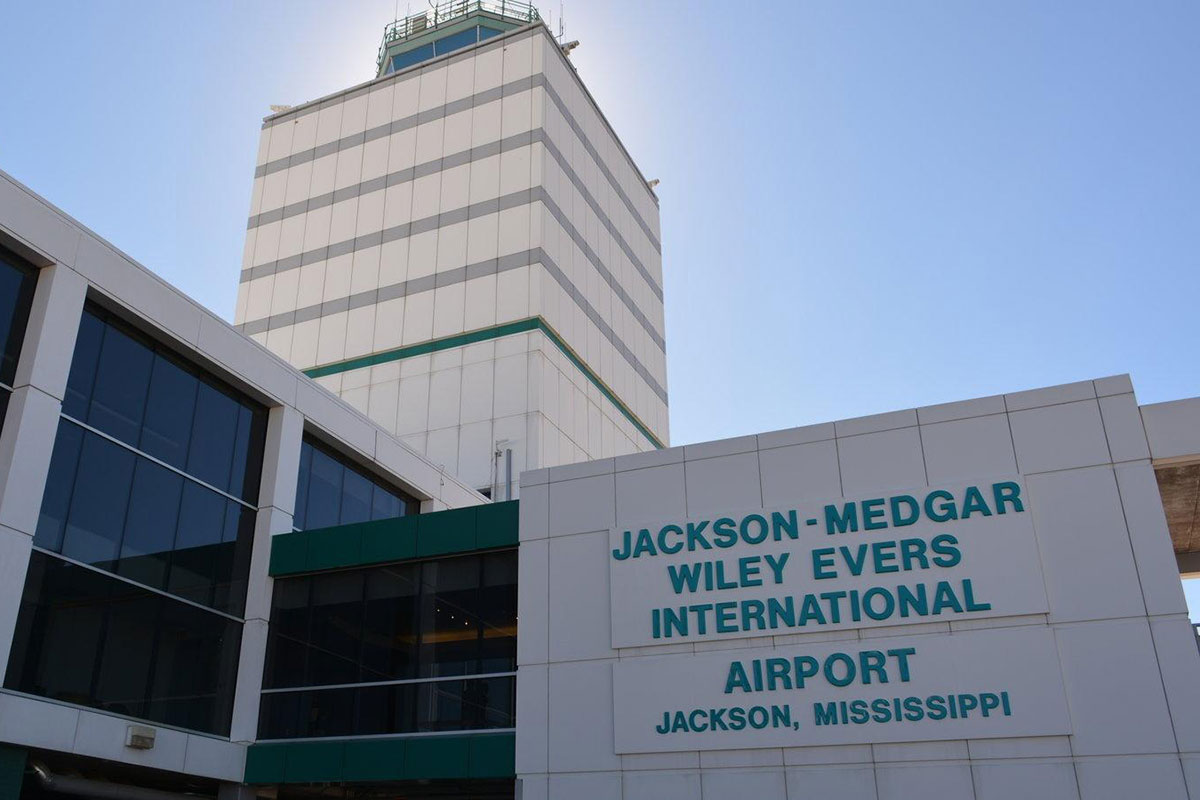
At Medgar Evers International Airport, officials reported no immediate flight operations scheduled during the initial grounding of U.S. commercial traffic and noted that the airport does not utilize the affected software. While some delays persist—particularly affecting transit hubs hard hit by the outage—air travel within Mississippi has largely returned to normal.
The University of Mississippi Medical Center also reported that operations continue as usual, with no impacts from the CrowdStrike outage, according to Executive Director of Communications and Marketing, Marc Rolph. Potential ripple effects from outages in other states may influence referrals and transfers within the wider medical network.
