

Researchers in the U.S. are expressing frustration over restrictions that hinder their ability to investigate the medical benefits and risks of cannabis. With a growing array of cannabis products available in states where the substance is legal, federal laws still classify cannabis as illegal, complicating scientific inquiry.
Barriers to Research
Most studies exploring the therapeutic effects of cannabis have relied heavily on synthetic formulations of cannabinoids like THC and CBD. While some research has assessed the efficacy of whole cannabis plants in treating conditions like chronic pain, no clinical studies specifically examine products sourced from state-authorized dispensaries. Instead, U.S. researchers are limited to using cannabis cultivated by the University of Mississippi under a contract with the National Institute on Drug Abuse (NIDA).
Quality Concerns
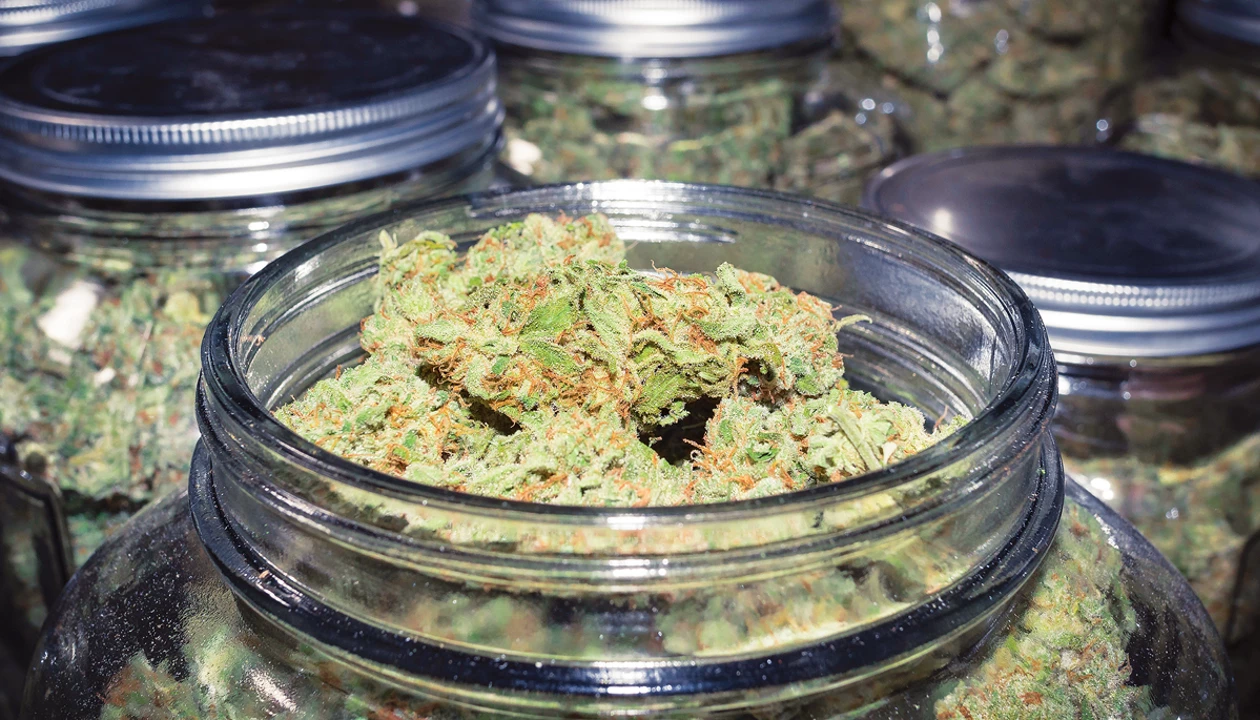
The University of Mississippi has often been criticized for its cannabis quality, which generally contains lower THC levels than those found in legal state markets. Researchers report issues related to the material, including excessive processing, which results in a product that lacks representational qualities of what consumers typically use. The cannabis undergoes a rigorous drying and processing procedure, often leaving it in a form that bears little resemblance to commercially available products.
Regulatory Challenges
The Drug Enforcement Administration (DEA) released a new rule in March aimed at expanding the number of organizations permitted to cultivate cannabis, but researchers still find the proposal overly restrictive. Navigating the regulatory landscape requires approval from multiple federal agencies, and funding remains limited. The complexities involved impede research efforts, leaving clinicians and the public without critical information about cannabis products.
Mississippi’s Unique Situation
In Mississippi, the University of Mississippi produces and supplies cannabis for research, but with complaints over its quality and potency, researchers are left seeking alternatives. New regulations from the DEA may eventually allow other entities to provide cannabis for scientific study, yet there is skepticism about how effectively this will address the current shortcomings.
Need for Diverse Cannabis Products
The cannabis industry advocates for a broader range of products available to researchers, including formulations beyond rolled cigarettes, such as oils and tinctures. There is a notable push from lawmakers and industry stakeholders to facilitate access to state-distributed products for research purposes. This includes recent discussions around waiving registration requirements for cannabis growers, enabling researchers to study items from legal markets directly.
As the landscape of cannabis legalization evolves, with thirty-three states allowing its medicinal use and several supporting adult use, the call for meaningful research has never been more crucial. Lawmakers and researchers alike emphasize the need for effective studies to inform public health and policy while recognizing the inherent challenges posed by federal regulations.
