


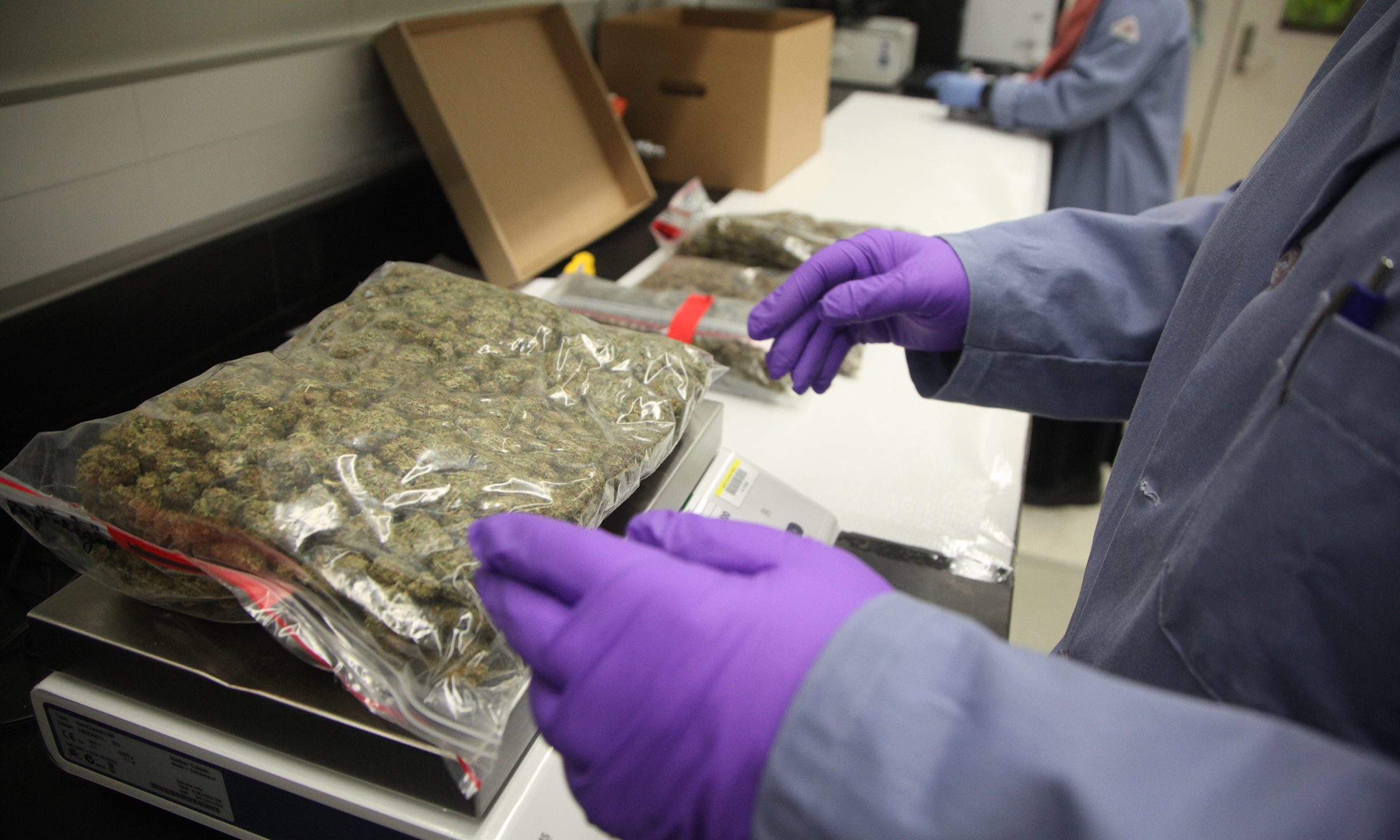
Officials at the National Institute on Drug Abuse (NIDA) have announced the cessation of federal orders for research marijuana from the University of Mississippi, attributed to a cost-cutting directive from the Trump administration’s Department of Government Efficiency (DOGE). However, NIDA reassured that this decision will not disrupt the availability of cannabis for government-approved research purposes.
A recent executive order titled “Implementing the President’s ‘Department of Government Efficiency’ Cost Efficiency Initiative” prompted the Department of Health and Human Services to conduct an extensive review of all contracts, identifying possible areas for cost reduction. NIDA representatives stated in an email that as a result of this initiative, no new task orders for cannabis cultivation have been issued. Nonetheless, the existing inventory of cannabis and cannabis-derived products remains available for approved research.
Existing Contracts and Supply Dynamics
While NIDA has halted new orders, its contract with the University of Mississippi for cannabis cultivation continues and is active until 2028. The agency confirmed it does not have contracts with other cannabis growers. Throughout the years, the University of Mississippi has held a monopoly on research cannabis production, but more recently, seven Drug Enforcement Administration (DEA)-approved cultivators have emerged to expand research opportunities amid increasing demand for cannabis studies.
Despite NIDA’s halt on new cannabis orders, the concerns surrounding future research persist. Maridose, a Maine-based cannabis cultivator, expressed unease regarding NIDA’s cancellation, stating it creates uncertainty for cannabis research, although existing supplies are currently adequate. They emphasized that a lack of new materials could threaten both clinical and preclinical studies nationwide.
Perspectives from the Research Community
Researchers approved for federal studies can still obtain cannabis from any DEA-approved cultivators, albeit at a higher cost compared to the free materials from NIDA’s Drug Supply Program. Maridose indicated their readiness to meet any unmet demand, with founder Richard Shain asserting, “Our team is committed to providing researchers uninterrupted access to high-quality materials.”
Conversely, some industry experts believe that NIDA’s decision will not hinder research significantly. Sue Sisley from the Scottsdale Research Institute, a licensed cannabis cultivator, noted their self-sufficiency in producing high-quality marijuana for FDA studies, rendering the loss of NIDA’s order irrelevant. Sisley called attention to the insufficient funding and regulatory barriers stemming from cannabis’ Schedule I status as more significant hurdles for research expansion.
She also praised the end of the Ole Miss order for allowing other growers to step in and fulfill research needs. “Let these other DEA licensed growers take over without the government backing,” she remarked, highlighting the inherent inequities in the market.
Looking Ahead
While NIDA’s cancellation of the Ole Miss order raises concerns over the immediate supply of research-grade cannabis, some industry leaders view it as a potential catalyst for quality improvement in research materials. Shain noted that this move aligns well with the evolving landscape of cannabis research, as multiple licensed manufacturers can provide more relevant products.
Mahmoud ElSohly, who oversees the University of Mississippi cannabis cultivation program, did not comment further on the cancellation but acknowledged the implications for ongoing studies. Meanwhile, the University remains committed to advancing cannabis research through various initiatives, such as the National Center for Cannabis Research and Education.
The DEA continues to recruit for its efforts against drug-related issues, even as scrutiny remains on the cannabis industry. Discussions around cannabis research, particularly its Schedule I classification, persist, with calls for reform to facilitate scientific exploration.
In summary, while NIDA’s decision marks a pivotal moment in cannabis research sourcing, the broader implications for Mississippi’s cannabis industry and the national research landscape remain to be seen as new opportunities arise amidst regulatory changes.
