

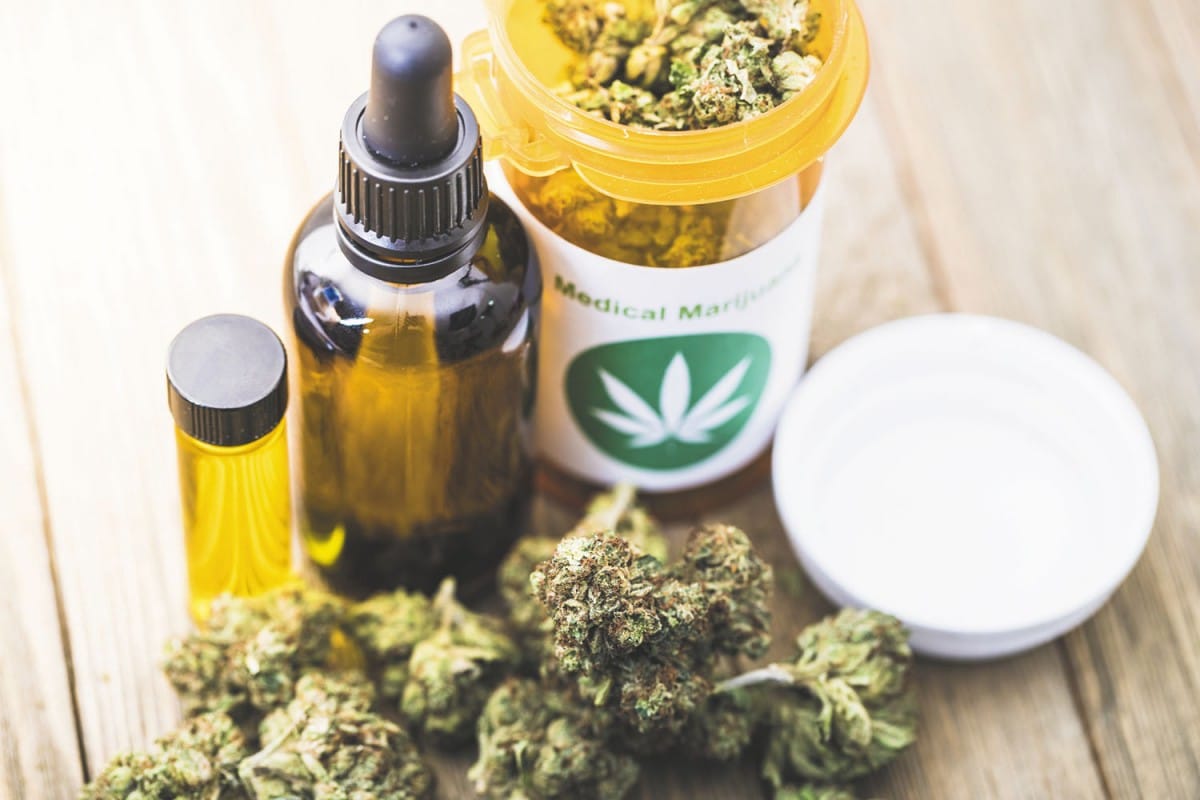
Medical marijuana in the Magnolia State is quickly becoming a reality for those wishing to engage in this developing industry. Many Mississippians are curious about the prospects for residents seeking a medical cannabis certification.
Since the passing of the Mississippi Medical Cannabis Act of 2022 (Senate Bill 2095), the Mississippi State Department of Health (MSDH) has established regulations concerning testing facilities, advertising, marketing, and work permits, while closing the option for cities and counties to opt out of the program. Starting June 3 at 8 a.m., the MSDH will initiate the next phase by opening the application process for patients, medical practitioners, and businesses involved in the marijuana production process.
Qualifying Conditions
Patients aiming to obtain a medical marijuana card must complete several steps, beginning with having at least one qualifying condition. The MSDH has identified the following medical conditions that qualify for the program:
- Cancer
- Parkinson’s disease
- Huntington’s disease
- Muscular dystrophy
- Glaucoma
- Spastic quadriplegia
- HIV/AIDS
- Hepatitis
- Amyotrophic lateral sclerosis (ALS)
- Crohn’s disease
- Ulcerative colitis
- Sickle cell anemia
- Alzheimer’s disease
- Agitation of dementia
- Post-traumatic stress disorder (PTSD)
- Autism
- Pain refractory to opioid management
- Diabetic/peripheral neuropathy
- Spinal cord disease or severe injury
- Chronic medical treatment causing cachexia or wasting, severe nausea, seizures, severe muscle spasms, or chronic pain
- Chronic terminal or debilitating diseases
For a patient to move forward, they must receive written certification from a licensed practitioner.
Patient and Practitioner Requirements
Practitioners must hold the appropriate licenses from the Mississippi State Board to prescribe medication. Licensed physicians, physician assistants, and nurse practitioners must be certified by their respective boards, and optometrists must register with the Mississippi State Board of Optometry. Moreover, practitioners need to register with the MSDH before providing written certification and must complete eight hours of continuing education prior to registration.
It is essential for both the patient and practitioner to establish a bona fide relationship, which includes an in-person consultation before the certification can be issued. General information about the patient must be provided on the MSDH’s approved certification form, including personal details and the practitioner’s information, along with effective and issue dates, and the practitioner’s signature. For minors, only licensed doctors of medicine or osteopathic medicine can issue certifications. Following the initial certification, patients must return for a follow-up appointment at least six months later.
Application Process
Upon receiving a completed certification from a practitioner, patients can proceed with the online application process exclusively through the MSDH’s website. The MSDH will have 30 days to approve or deny the application, followed by an additional five days to issue a card or provide feedback to denied applicants. To facilitate a smoother application experience, patients are encouraged to utilize the pre-application checklist made available by the MSDH.
Card Obtainment and Renewal
The identification card, distributed solely by the MSDH, will cost $25 upon issuance, with the same fee required for annual renewals. The cards will expire 12 months after initial issuance but may expire sooner based on the practitioner’s indication.
Scam Alerts
Instances of scams have emerged, with individuals claiming they can issue medical marijuana cards without MSDH involvement, often requesting exorbitant fees. It’s critical to note that only the MSDH is authorized to approve applications and issue medical marijuana cards for the standard fee of $25. Additionally, cannabis will not be available until late 2022, cautioning future patients to be vigilant against illegal market offerings.
For further information regarding the medical marijuana card application process in Mississippi, please consult the MSDH’s website or call (601) 576-7400.
