

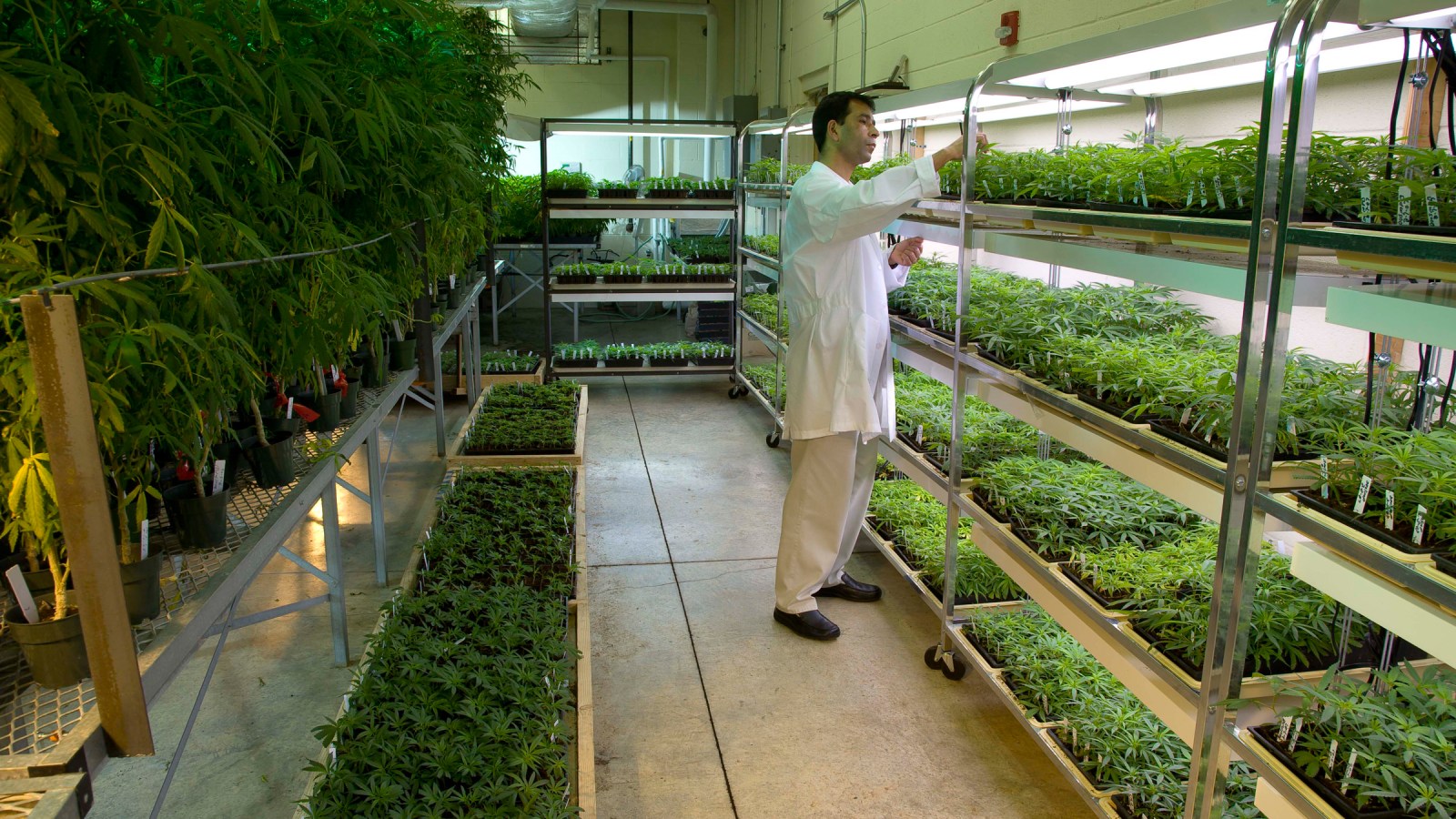
The U.S. Drug Enforcement Administration (DEA) has recently announced intentions to expand cannabis research within the country. After years of silence with potential growers, federal officials revealed in late August that they would soon resume contact with groups that have applied to register for cannabis cultivation aimed at research purposes. The agency expressed optimism that including more qualified applicants will diversify the range of marijuana available for study.
Since 1968, federal regulations and a contract with the National Institute on Drug Abuse have restricted cannabis cultivation to the University of Mississippi, which has supplied medical researchers nationwide. Complicating matters further, cannabis remains classified as a Schedule I controlled substance, alongside drugs like LSD and heroin.
Advocates Skeptical of Progress
However, marijuana advocates argue that the DEA’s recent announcement is yet another example of delaying tactics. This is the second similar attempt by the agency in over three years, and the third in more than a decade. Researcher Sue Sisley, who leads the Scottsdale Research Institute in Arizona, criticized the agency for providing materials that resemble “lawnmower clippings” instead of quality cannabis, prompting her group to file a lawsuit in the D.C. Circuit Court of Appeals in June aimed at accelerating the licensing process. The DEA managed to respond to this legal action just three days before the deadline.
Despite this response, a press release featured self-congratulatory remarks from federal officials. U.S. Attorney General William Barr expressed satisfaction with the DEA’s movement toward reviewing applications from individuals seeking to legally cultivate marijuana for research, while DEA Acting Administrator Uttam Dhillon claimed progress was being made to register more marijuana growers for federally authorized investigations.
Unclear Timeline and Regulatory Steps
Experts, however, maintain that the details surrounding future federal action remain vague. The DEA did not provide a timeline for reviewing the 33 pending applications, nor did it outline any potential new regulations. A DEA spokesperson informed Rolling Stone that the agency plans to publish proposed regulations soon, including a notice and comment process. As of now, no applications have been approved, signaling a potentially prolonged waiting period for interested growers.
Pleased yet cautious, advocates like Paul Armentano, deputy director of NORML, recall that a ruling made by DEA Administrative Judge Mary Ellen Bittner in 2007 declared it was in the public interest to accept additional cultivation applications. This ruling arose after the DEA denied an application from the University of Massachusetts at Amherst to grow marijuana for research purposes. Although the court favored the university, the DEA subsequently overlooked the ruling, claiming that increased production could violate international drug treaties.
In 2016, a glimmer of change appeared when the DEA announced plans to alter regulations to facilitate more growers for research needs. Yet, more than three years later, those 33 applications remain unresolved. This inaction has drawn attention from a bipartisan group of congressional leaders, who urged the DEA to explain its lack of progress.
Long Road Ahead for Cannabis Research
For researchers, the timeline remains uncertain. Matthew Zorn, one of the attorneys involved in the lawsuit against the DEA, emphasized that any movement, even if slow, is a step forward. “An important point of our lawsuit was getting the DEA to do something,” Zorn explained, acknowledging the delay but highlighting the necessity of dialogue.
Despite some optimism, Sisley remains realistic. She reported insights from a former DEA official suggesting that the current announcement might merely serve as another delay tactic. “Rule-making process is code word for delay,” she stated, indicating skepticism about any imminent changes.
Recently, the DEA did announce it would increase the amount of cannabis available for research next year, raising the limit from 2,450 kilograms to 3,200 kilograms. However, details regarding newly licensed growers were notably absent.
