


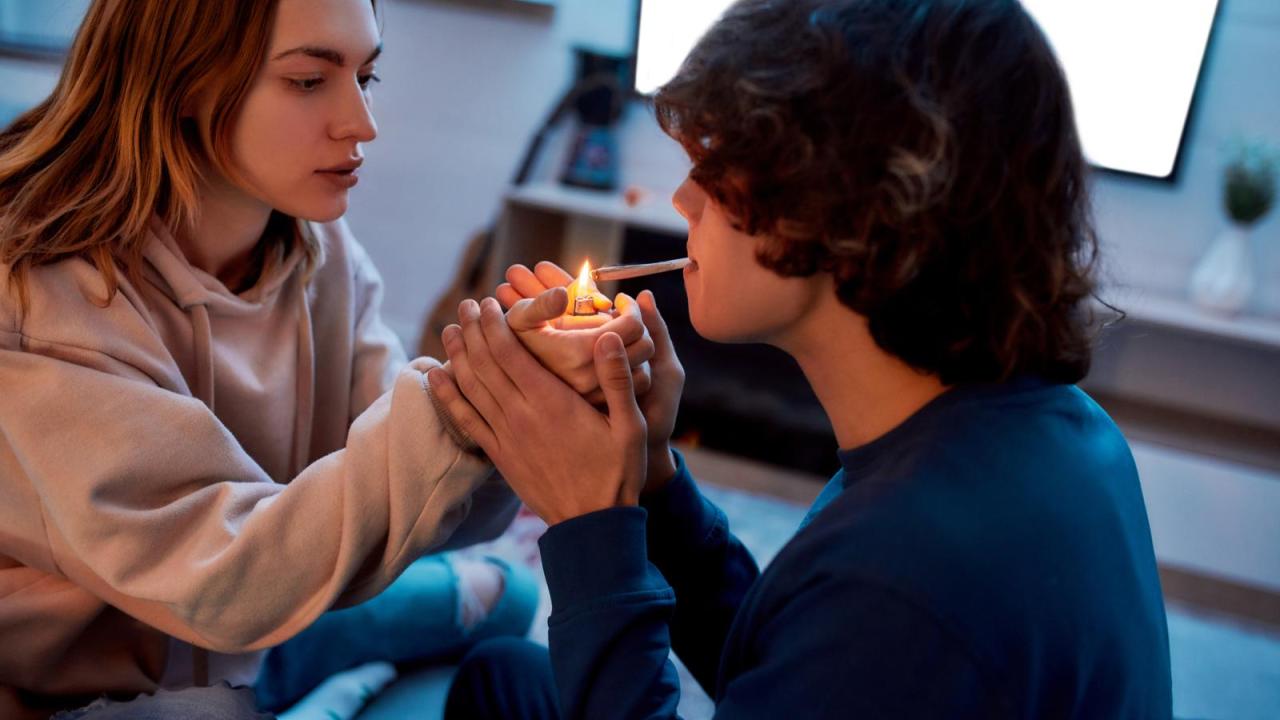
Using marijuana just once or twice a month is linked to poorer academic performance and increased emotional distress among teens, as revealed by a significant national study led by Ryan Sultán, an assistant professor of clinical psychiatry at Columbia University Vagelos College of Physicians and Surgeons. The research indicates that more frequent cannabis use correlates with a higher likelihood of emotional distress and other social and academic challenges.
“While earlier studies focused on the impact of frequent cannabis use among teenagers, our findings suggest that any level of cannabis consumption can jeopardize academic success. Those who use it more regularly may face the highest risks,” says Sultán, who specializes in adolescent substance use and is affiliated with the Center for Youth Mental Health at NewYork-Presbyterian. “A few seemingly ‘harmless’ joints can lead to significant academic repercussions. Regular users often struggle with focus, may miss school, and can lose interest in future aspirations.”
Shifting Trends in Teen Drug Use
This study emerges during a period of changing patterns in teen drug use across the United States. Although usage rates for many substances have reached record lows, cannabis stands out as an exception. Currently, approximately 1 in 5 high school students reports using cannabis, with about 6% of 12th graders using it daily—a rate that has risen over the past ten years.
“The real-world implications can be substantial,” Sultán notes. “It’s common for young teens to smoke marijuana only a few times before exhibiting withdrawal symptoms and mood deterioration.”
Experts are particularly concerned given that today’s cannabis products often contain two to three times the THC found in past varieties, resulting in increased potency. Previous research has indicated that cannabis use during adolescence, a crucial period for brain development, can have lasting negative effects on cognitive functions essential for academic performance. “A teenager’s brain is still developing vital circuits for learning, self-control, and emotional regulation,” says Tim Becker, an assistant professor of clinical psychiatry at Weill Cornell Medicine and study co-author. “Even casual cannabis use during these critical periods can disrupt normal developmental processes.”
Study Insights
The recent study analyzed data from a nationally representative survey of over 160,000 U.S. students in grades 8, 10, and 12 conducted from 2018 to 2022. More than a quarter of respondents reported cannabis use; less than 20% indicated monthly or less frequent use, while smaller percentages claimed to use it weekly or nearly every day.
Adolescents who used cannabis once or twice a month reported heightened levels of depression-like symptoms, anxiety, and impulsive behaviors compared to abstainers. Nearly daily users were nearly four times as likely to receive poor grades and often disengaged from school activities, with these effects being even more pronounced among younger users.
Guidance for Parents and Caregivers
Experts recommend that parents hold open, nonjudgmental discussions with their teens regarding cannabis use as early and as frequently as possible. “It’s vital to convey that just because something is ‘natural’ does not mean it is safe,” Sultán advises. “Parents should also monitor for warning signs, such as declining academic performance, mood swings, or loss of interest in previous hobbies, and recognize that cannabis may be a contributing factor.”
