


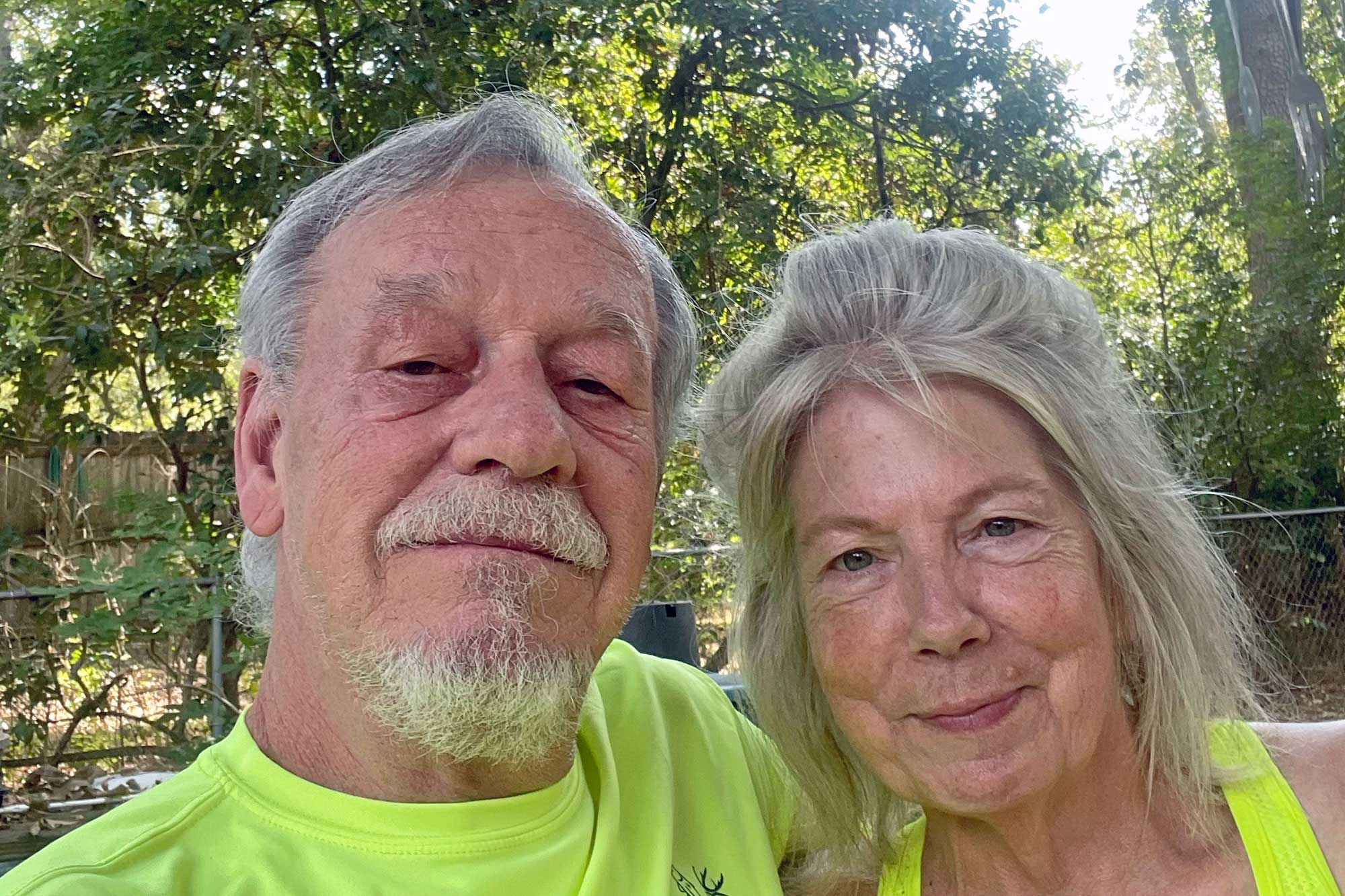
For years, Nina Hanson, 68, sought treatment for her fibromyalgia, which causes severe nerve pain throughout her body. In early 2024, her doctor suggested she obtain a medical cannabis patient card, as reported by her husband, Donny Hanson, to the Mississippi Free Press.
Desperate to relieve her discomfort, Nina often took four to five prescribed hydrocodone pills each day, her husband explained.
After acquiring her medical cannabis card, Nina visited a dispensary in Starkville, Mississippi, for the first time. Armed with a list of recommended cannabis strains and products, she answered questions from the staff about her pain. However, the dispensary provided her with a cannabis strain meant for energy rather than pain relief, according to Donny.
“We spent quite a bit of money trying products that didn’t help her pain,” he noted on February 7.
At 72, Donny had previous experience with cannabis and decided to investigate options for his wife, given the inadequate recommendations they received. He discovered the possibility of obtaining a medical cannabis caregiver card, allowing him to assist Nina in acquiring her medicine. After completing the extensive background check process, he secured the caregiver card later in 2024.
Due to Nina’s condition, she primarily remained home, as she found traveling aggravating. Donny, wanting to help her, attempted to purchase her medical cannabis on his own at the same dispensary but was denied entry without Nina, incorrectly citing state law.
“What was the point of obtaining a caregiver card if I could only enter the dispensary with my wife?” he questioned.
Donny decided to try a different dispensary, which allowed him to enter and purchase pain-relief products that significantly helped Nina, even enabling her to stop taking hydrocodone.
“And it worked. It helped her,” he stated.
Donny has invested time crafting the ideal recipes for edibles like brownies and brookies, using decarbonized cannabis flower, as well as producing cannabis-infused honey for nightly use. He ensures each serving meets Nina’s needs by sampling each batch personally.
In 2025, Donny also obtained his medical cannabis patient card. Legislative changes may soon ease access to medical cannabis programs in Mississippi. Recently, the legislature passed bills to extend caregiver card validation periods, lift potency caps on concentrates, and introduce a right-to-try pathway for patients. These bills are currently awaiting Governor Tate Reeves’ approval.
Extending Card Validation Timeframe
Under existing law, Donny must validate both his medical-cannabis patient and caregiver cards annually. One proposed bill could change this requirement, allowing caregiver cards to be renewed every two years. Donny expressed that his wife’s condition makes it challenging for her to be alone, further complicating the renewal process.
“It’s very inconvenient for me to have to run and get all this done,” he shared.
To qualify as a medical cannabis caregiver, applicants undergo an FBI background check, regardless of previous checks for standard caregiving. Under current law, caregivers must reapply annually for their cards.
House Bill 895 originally proposed a five-year renewal timeline, aligning with other medical industry workers. Representative Lee Yancey emphasized that previous checks should enable an extended renewal period.
However, upon reaching the Senate, the bill was amended to a two-year extension for caregiver cards and reverted patient card renewal back to one year.
H.B. 895 also eliminated the 60% potency cap on medical cannabis concentrates. This adjustment means patients can access full-strength products without state-imposed potency limits, which Elizabeth Feder-Hosey, a medical cannabis patient, noted as crucial for effective pain relief.
Despite needing larger quantities of diluted products, Feder-Hosey continues to advocate for legislative changes that reflect patient needs, founding Mississippi Patient Voices to support those navigating the medical cannabis system.
The House passed H.B. 895 by a 98-11 vote on February 4, and the Senate approved an amended version by a 33-19 vote on March 3. The House concurred with the changes on March 18, sending the legislation to Governor Reeves.
Right to Try Medical Cannabis
Jennifer Kephart, 49, suffers from postural orthostatic tachycardia syndrome, PTSD, anxiety, and mast cell activation syndrome, having utilized medical cannabis for approximately a year. Cannabis has helped her manage painful flare-ups and enhanced her appetite.
“Medical cannabis is actually keeping me alive to where I can eat just two, three, or four bites a day just to stay alive,” she explained.
Under House Bill 1152, Mississippians without qualifying conditions may gain access to medical cannabis with approval from State Health Officer Dr. Dan Edney. If a patient has explored other treatment avenues without success, their doctor can recommend them for cannabis treatment.
This legislation aims to provide a pathway for those experiencing chronic or terminal conditions not covered by the Mississippi Medical Cannabis Act. Dr. Edney clarified that the right-to-try provision would not broaden the program indiscriminately but ensure access for patients needing alternatives to traditional medications.
Elizabeth Feder-Hosey supported the right-to-try bill, as it could provide relief for patients with conditions that do not qualify under existing law.
Kephart expressed strong support for H.B. 1152, believing it could educate more people about the medical uses of cannabis and help those in need.
The House passed H.B. 1152 by a 104-7 vote on February 5, and the Senate approved it by a 34-17 vote on March 10. The legislation is also awaiting Governor Reeves’ decision on whether to sign it into law.
