

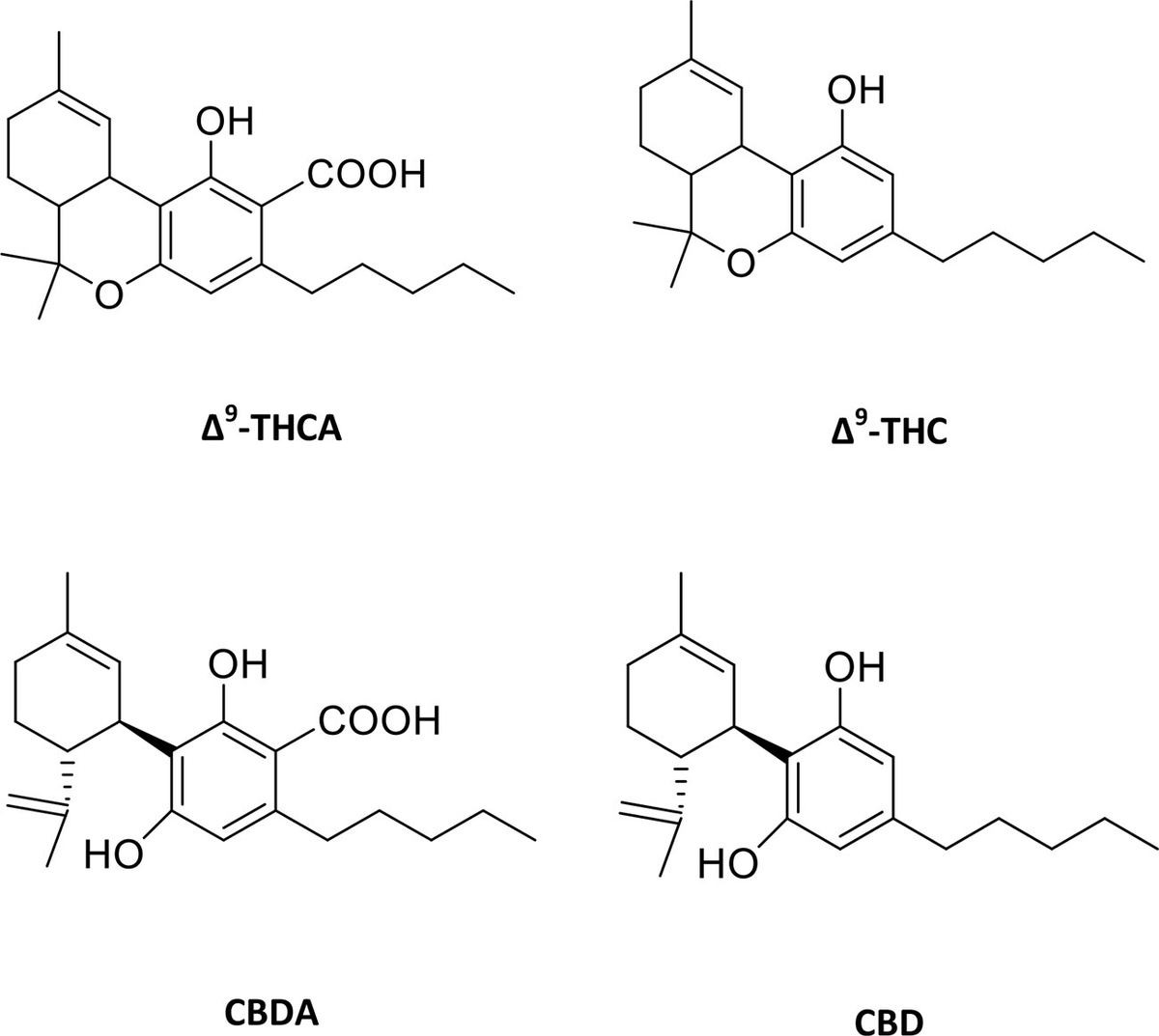
Cannabis contains over 560 different compounds, including 120 cannabinoids, with Δ9-tetrahydrocannabinol (Δ9-THC) and cannabidiol (CBD) being the most prominent. These cannabinoids exhibit distinct pharmacological profiles and significant therapeutic potential. However, transitioning cannabis from cultivation to pharmaceutical application presents various challenges, particularly in maintaining a consistent cannabinoids profile within the biomass supply chain. To address this, male plants are systematically removed from growing fields to prevent cross-fertilization. Despite this, the risk of cross-pollination remains, underscoring the need for controlled indoor cultivation methods. This allows for the screening and selection of high-yielding female plants based on their cannabinoids profile, along with their conservation through vegetative propagation or micropropagation techniques.
The Historical Use of Cannabis
Cannabis has been cultivated for thousands of years, serving diverse needs such as food, medicine, and textiles. Its origins trace back to China, from where it spread globally. Historically, cannabis has been utilized to treat various ailments including asthma, epilepsy, and pain. Additionally, its derivatives have shown potential in managing conditions such as HIV/AIDS and multiple sclerosis, as cited in numerous studies.
Complex Chemistry and Cannabinoid Profile
The first cannabinoid, cannabinol (CBN), was isolated in 1899, followed by CBD in 1940 and Δ9-THC in 1964. Current research highlights cannabis as rich in secondary metabolites, with over 560 constituents identified, among which 120 are cannabinoids belonging to more than ten subclasses. Cannabinoids are typically found in acidic forms in the plant, converting to their neutral forms through heat exposure. These compounds are synthesized through the polyketide pathway and the deoxyxylulose phosphate/methyl-erythritol phosphate pathway, integrating various biochemical processes.
Classification and Taxonomy of Cannabis
Cannabis is categorized into drug and fiber types based on morphological traits. Fiber types tend to be tall and slender, while drug types are bushier with broader branches. Classification may also involve examining the THC to CBD ratios, which serve as defining markers for various cannabis phenotypes. Despite debates among taxonomists regarding species classification, cannabis is generally viewed as a single, diverse species, Cannabis sativa L.
Botanical Drug Development Approaches
Historically, plants have been foundational in medicine. Today, the transition from traditional remedies to modern botanical drug development faces challenges, especially regarding safety and consistency. The U.S. Food and Drug Administration (FDA) has established guidelines for botanical drugs, where each cannabis preparation must be chemically characterized and consistently produced. An example of successful botanically derived drug is Sativex®, a THC and CBD combination demonstrating therapeutic efficacy.
Regulatory Challenges in Cannabis Cultivation
Given its classification as a Schedule I drug, cannabis development faces unique hurdles at all stages, from cultivation to market. In the United States, state regulations vary, with 33 states and Washington D.C. legalizing medical cannabis, and several further permitting recreational use. Although legal under state law, cannabis remains federally prohibited, complicating authentic drug development. This dissonance poses significant risks concerning the quality and efficacy of cannabis products available to consumers.
Propagation Techniques for Consistent Quality
Cannabis cultivation predominantly utilizes female plants to avoid cross-pollination, which can impair cannabinoid production. Advanced propagation techniques, including both vegetative cutting and micropropagation, ensure a consistent supply of high-quality female plants. Rigorous practices such as backing up cuttings and utilizing high-yield clones are critical for maintaining cannabinoid consistency from batch to batch.
Conclusion
The cannabis industry in Mississippi is poised for growth, yet navigating the complexities of cultivation, regulation, and product development is imperative. As more consumers and businesses engage with cannabis products, emphasis on quality, safety, and compliance will dictate the industry’s trajectory, presenting both challenges and opportunities for future development.
