

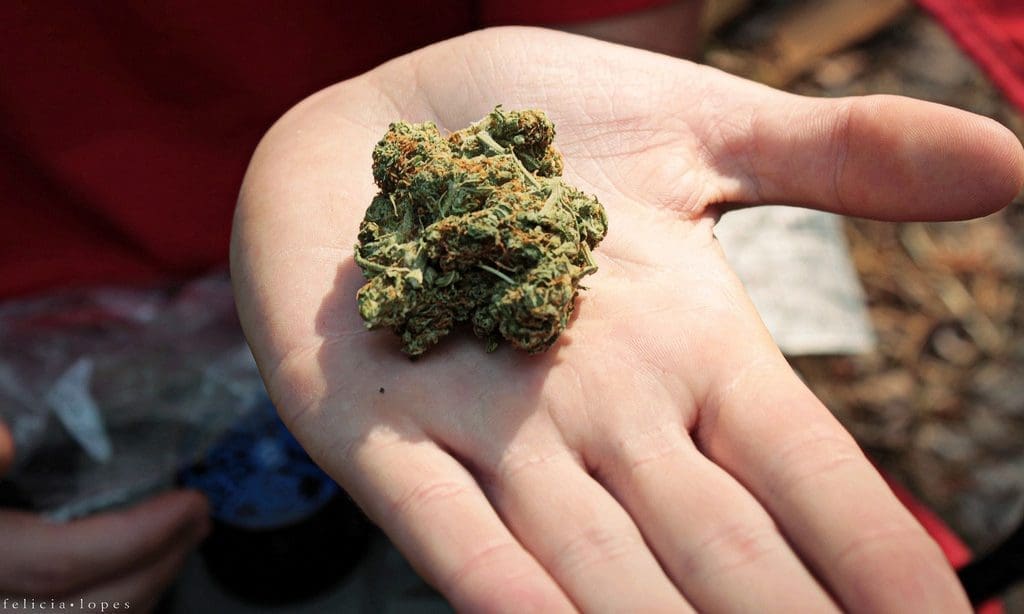
If the governor of Mississippi decides to veto a medical marijuana bill due to concerns over the proposed purchase limit for patients, the legislature may move to override that decision, according to a key state senator. Governor Tate Reeves (R) expressed his desire on Tuesday for lawmakers to reduce the daily purchase limit for patients by half. The current bill, negotiated over the summer, permits a purchase of 3.5 grams of marijuana per day. The governor indicated he would veto the entire proposal if significant reductions are not made.
Senator Brice Wiggins (R), chairman of the Judiciary Committee Division A and a candidate for a congressional seat this year, emphasized that Mississippi voters made their preference clear by approving a medical cannabis legalization initiative last year. Wiggins stated that lawmakers have a responsibility to fulfill this reform after the state Supreme Court invalidated the original initiative on procedural grounds. He remarked, “It wouldn’t surprise me” if legislators chose to override the governor’s veto if it comes to that.
“I would hate for Governor Reeves to have any veto overridden because, like I said, I’ve worked with him on many different things,” Wiggins continued. “But the reality is that Initiative 65 passed with close to 70 percent of the vote. And the legislature spent all summer working on this and have listened to the people.” He acknowledged the governor’s concerns but maintained that the legislative hearings included input from various states with established medical cannabis programs.
Lawmakers have already made multiple concessions to the governor during negotiations over the reform. Advocates had hoped a resolution could be reached in time for Reeves to convene a special session this year, as he suggested. However, ongoing disagreements have pushed the timeline back, necessitating that the legislature address the reform in the 2022 session.
Despite an agreement announced in September, the governor raised additional objections, prompting legislators to reconsider their proposals. Reeves has consistently highlighted his issues with the marijuana purchase limit, including during a briefing last week.
Urgency for Reform
There is significant urgency to finalize this reform. Patients who could benefit from medical cannabis are still waiting, and legislators are responding to the state Supreme Court’s decision to overturn the voter-approved ballot initiative on a technical basis. Additionally, passing legalization during a special session this year could have allowed lawmakers to address larger issues, such as appropriating coronavirus funds when the legislature reconvenes next month.
Another complication is Agriculture and Commerce Commissioner Andy Gipson’s firm stance that his department should not regulate marijuana businesses. He expressed his opposition through letters to lawmakers and the state attorney general, leading legislators to assign regulatory responsibilities to the Health Department instead.
An earlier draft of the marijuana bill proposed extending qualifying conditions for medical cannabis to include hepatitis, Alzheimer’s disease, spastic quadriplegia, and chronic pain. Under the proposed legislation, patients would need a reevaluation by their physician six months after an initial recommendation for medical cannabis. It also includes a weight-based excise tax of $15 per ounce of flower or trim, along with the state’s general sales tax. Notably, there would be no allowance for home cultivation, although smoking cannabis would be permitted in private settings, excluding public spaces.
A June poll revealed that a majority of Mississippi voters support legalizing marijuana for both medical and recreational use, with 63 percent favoring a bill similar to the nullified ballot measure. A Senate committee has conducted a series of hearings to gather testimony on potential legislative actions regarding medical cannabis.
Governor Reeves has indicated his support for the will of the voters, stating earlier this summer that “I think we will have a medical marijuana program in Mississippi,” adding that it is “imperative that we get it done, and get it done quickly.”
