


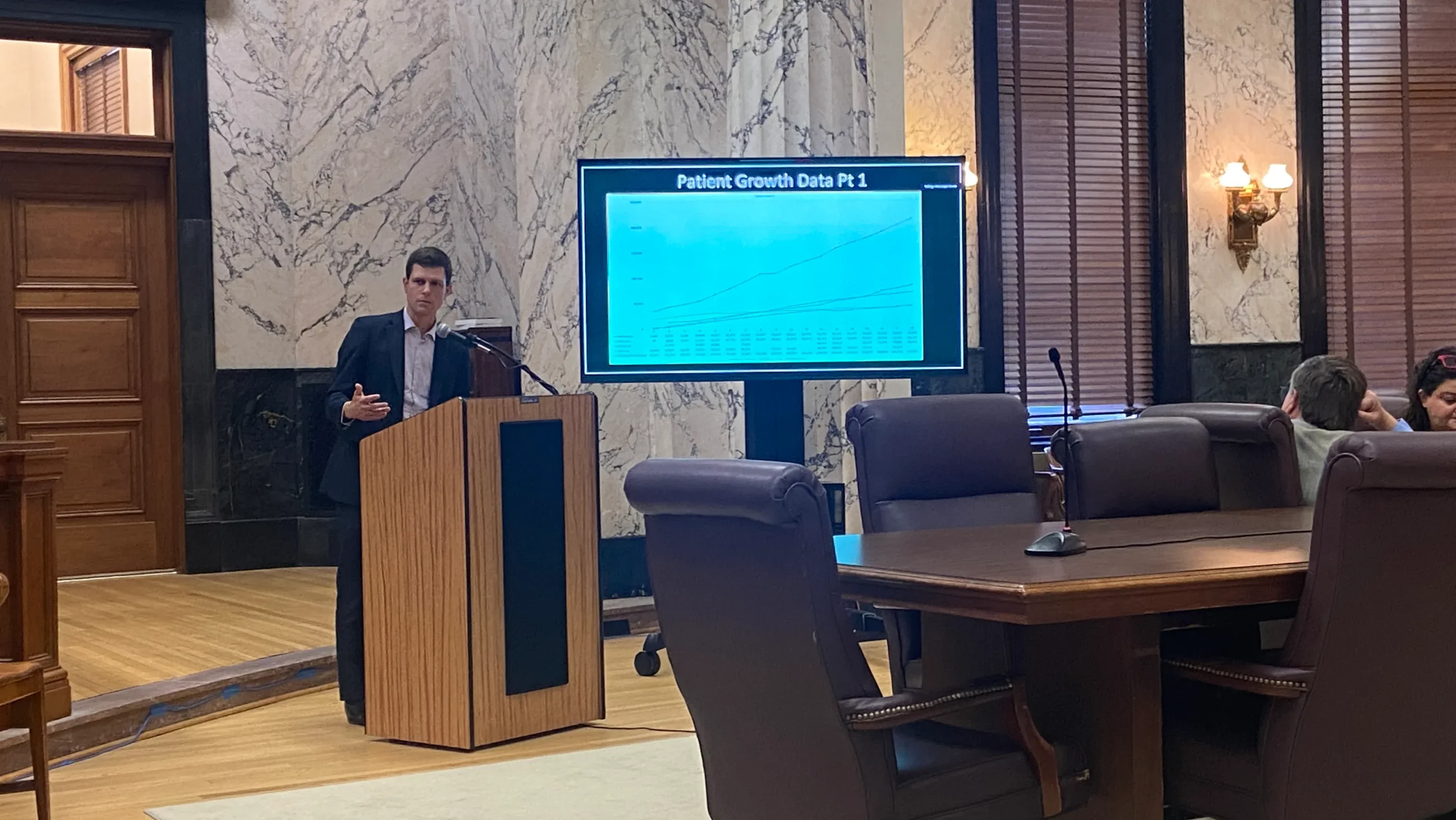
Dozens of medical cannabis cultivators and business owners expressed concerns on Thursday at the State Capitol regarding the potential negative impacts of new yeast and mold testing requirements for flower. During an advisory meeting with state health officials and legislators, small cultivators highlighted the burdens posed by both the new testing regulations and methods, leading to an increase in failed sanitation tests.
Small cultivators argued that the lack of a retesting option for products that are “cleansed” after failing could jeopardize their livelihoods. According to various sources, the new testing standards may cost smaller growers thousands of dollars, either through retesting, pretests, cleansing, or purchasing new equipment. The industry is already under strain, with 393 licensed Mississippi cannabis businesses—including dispensaries, cultivators, and processors—catering to approximately 43,000 medically approved customers statewide.
Concerns Over New Testing Standards
“Some of the farmers are living from crop to crop… I think we’re pushing this a little too fast,” said Phen Schlett, owner of Big River Cannabis. He emphasized his support for the testing standard but criticized the absence of accurate guidelines for reducing yeast and mold levels in crops.
As reported by the Mississippi Medical Marijuana Association, testing a single batch of flower at a facility costs growers around $500. Failing tests require the flower to be converted into oils or other distillates, significantly reducing its market value, according to Executive Director Henry Crisler. Cultivators can appeal test results for possible retesting, but several business owners expressed worries that the new standards could exacerbate test failures, further impacting profitability.
Hatem Mourad, CEO of Dekalb-based Alchemy Analytics, reported an increase in failed tests, while Perry Lewis, COO of Steep Hills—the only other operating lab in the state—indicated that out of 24 batches tested, 17 failed without prior cleansing. This raised concerns about the effectiveness of the new regulations, especially since nearly 75% of products in the market were recalled due to testing failures at Rapid Analytics in December and January. Lewis noted that retesting efforts strained resources until they ceased in late June, just before the new regulations took effect on July 29.
Industry Strain and Regulatory Challenges
State Health Officer Daniel Edney stated that while mid to large-sized cultivators often cleanse their products, he found the lack of proactive discussion during the grace period troubling. He expressed willingness to extend the grace period for compliance but stressed the importance of ensuring public safety through these standards. Edney also mentioned that guidelines for cleaning failed products would be released soon.
In contrast, Crisler noted a lack of remediation businesses in Mississippi, and highlighted that equipment for cleaning could exceed $200,000. If cultivators opt for third-party testing, the costs could total nearly $700 when retests are included. Steep Hills currently charges $110 for yeast and mold research and development tests.
Although Edney acknowledged the impact of the new testing standards on smaller growers, he emphasized their necessity for public safety and expressed a commitment to help cultivators achieve compliance. However, specifics on the timing or duration of a potential grace period remain undisclosed.
