


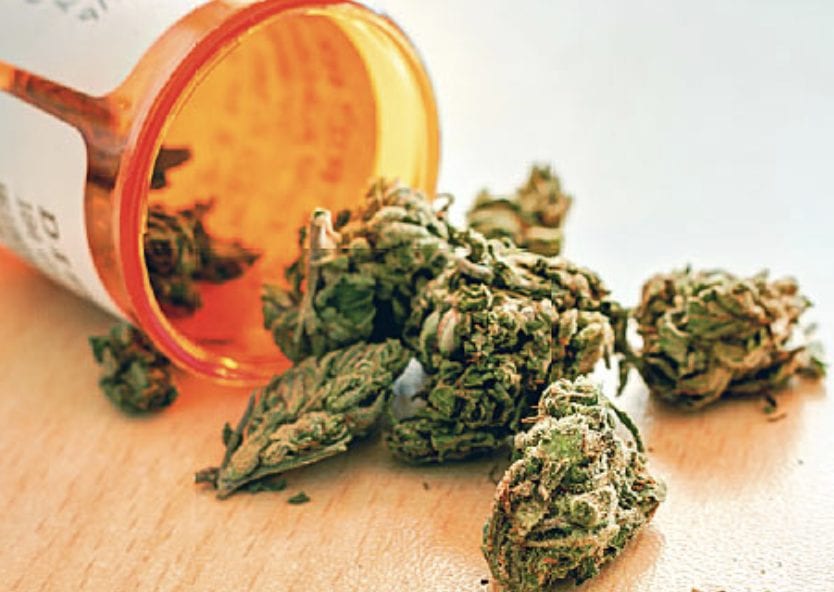
The nine-member advisory committee is responsible for overseeing research and guiding Mississippi lawmakers on the strategic direction of the state’s medical cannabis program.
Changes to Mississippi’s medical cannabis program were proposed during a recent Medical Cannabis Advisory Committee meeting, potentially expanding access and revising existing requirements.
Obtaining a Medical Cannabis Card
Currently, to obtain a medical cannabis card, Mississippians must receive a referral from a physician, physician’s assistant, nurse practitioner, or optometrist participating in the medical cannabis program.
Revisions are being considered for young adults seeking a medical cannabis card. Under the current rules, individuals aged 18 to 25 require two doctor referrals for approval. Medical Cannabis Advisory Committee Chair Jeff Webb mentioned the possibility of eliminating this requirement for those 21 and older.
Elizabeth Feder-Hosey of Mississippi Patient Voices emphasized the need for change, especially for young adults who demonstrate responsibility through various life milestones.
Additional Qualifying Conditions
Patients can currently only qualify for a medical cannabis card if diagnosed with one of 20 approved conditions. There is ongoing advocacy to add more conditions to this list. Angie Calhoun, founder of Mississippi Cannabis Patients Alliance, informed the committee about upcoming research aimed at determining whether anxiety could be recognized as an approved condition.
Research from New Jersey suggests that THC might be beneficial for individuals with Social Anxiety Disorder, particularly at lower doses. Webb indicated that the committee might consider anxiety and insomnia as qualifying conditions pending further research.
Studying Ailments and Treatments
To ensure effective cannabis treatment, a study set to begin in January 2025 will collect data from Mississippi cannabis patients via a web-based tool. The study will examine ailments and the products used, aiming to identify which products best address specific conditions while ensuring patient anonymity.
Calhoun highlighted the importance of examining potential interactions between medical cannabis and other medications, noting that cannabis can alter the efficacy of certain treatments.
Possible Changes to the Program
Proposed changes to the medical cannabis program include expanding the advisory committee membership and allowing telemedicine to serve as the initial physician assessment for homebound and disabled patients. Feder-Hosey called for the advisory committee to support telehealth as a primary option for these individuals, considering the rural nature of Mississippi.
Additionally, changes to the state’s reciprocity program are under consideration to enable patients from neighboring states to shop in Mississippi more freely. Currently, out-of-state medical cannabis patients need to apply for temporary cards valid for only 15 days, with discussions around extending this period to 90 days.
Webb mentioned that revisions regarding surveillance video footage storage and the MMCEU allotment system are also expected to be on the agenda.
Issues with Testing and THC Caps
As Mississippi’s medical cannabis program evolves, cultivators and processors have raised concerns over inconsistencies in cannabis testing results among state labs. The need for raising THC caps in concentrated products has also been voiced, advocating for higher caps similar to those in other states.
Calhoun referenced research on the effects of cannabis use combined with substances like alcohol and opioids, indicating potential risks of such combinations.
Overall, these discussions reflect ongoing efforts in Mississippi to refine the medical cannabis program, ensuring it meets the needs of patients while fostering industry growth and compliance.
