


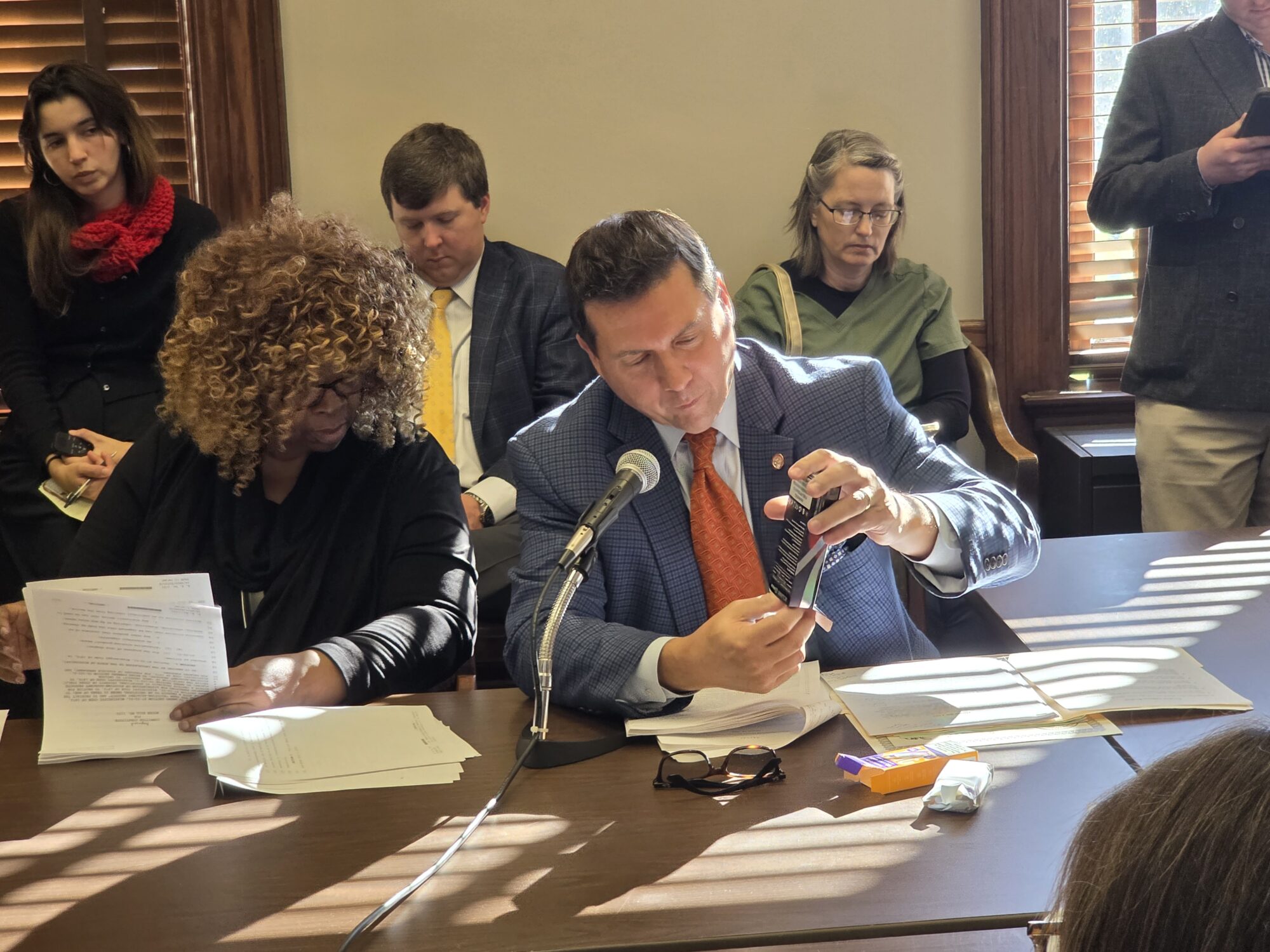
Two bills concerning Mississippi’s medical cannabis program successfully passed in the House of Representatives this week, reflecting an ongoing commitment to enhance access and streamline regulations in the cannabis industry.
Legislative Developments in Medical Cannabis
The first piece of legislation, HB 895, aims to extend the validity of medical cannabis cards for patients. Currently, patients must undergo a follow-up visit with their healthcare provider every six months to maintain their card. This bill proposes to lengthen that timeframe to 24 months, effectively removing the mandatory nature of follow-up visits while allowing practitioners to request evaluations at their discretion.
State Rep. Lee Yancey (R), who authored the bill, noted, “It extends the validity period of a practitioner’s written certification from 12 months to 24 months.” This change seeks to ease the burden on patients while still allowing providers the flexibility to ensure ongoing care.
Additionally, the legislation seeks to increase the validity period for resident designated caregivers who assist patients unable to access dispensaries. Caregivers would now be validated for up to five years, aligning with the realities of caregiving.
Furthermore, HB 895 removes the cap on THC content for medical cannabis products such as tinctures, concentrates, and oils, although the 30% cap on cannabis flower remains intact. Yancey remarked, “Thirty percent is high enough, no pun intended.” This provision aims to align Mississippi’s regulations with those of other states and to encourage patients to consider non-smokable forms of cannabis.
Expanding Access through “Right to Try” Medical Cannabis Act
The second bill, HB 1152, proposes the establishment of a petition system through the Mississippi State Department of Health, allowing patients with non-listed debilitating or terminal conditions to request access to medical cannabis. This avenue is designed for patients who have exhausted traditional medical options, ensuring they have documented evidence of prior treatments.
“They would have had to have tried everything else,” Yancey explained. The bill creates a narrow pathway for individual cases, with the state health officer making the final decision on petitions for medical cannabis use.
This “Right to Try” bill underscores the state’s intention to provide more comprehensive care options for suffering individuals, passing in the House with overwhelming support.
These legislative efforts signal Mississippi’s ongoing evolution in medical cannabis policy, aimed at increasing access while maintaining necessary regulations within the industry.
