


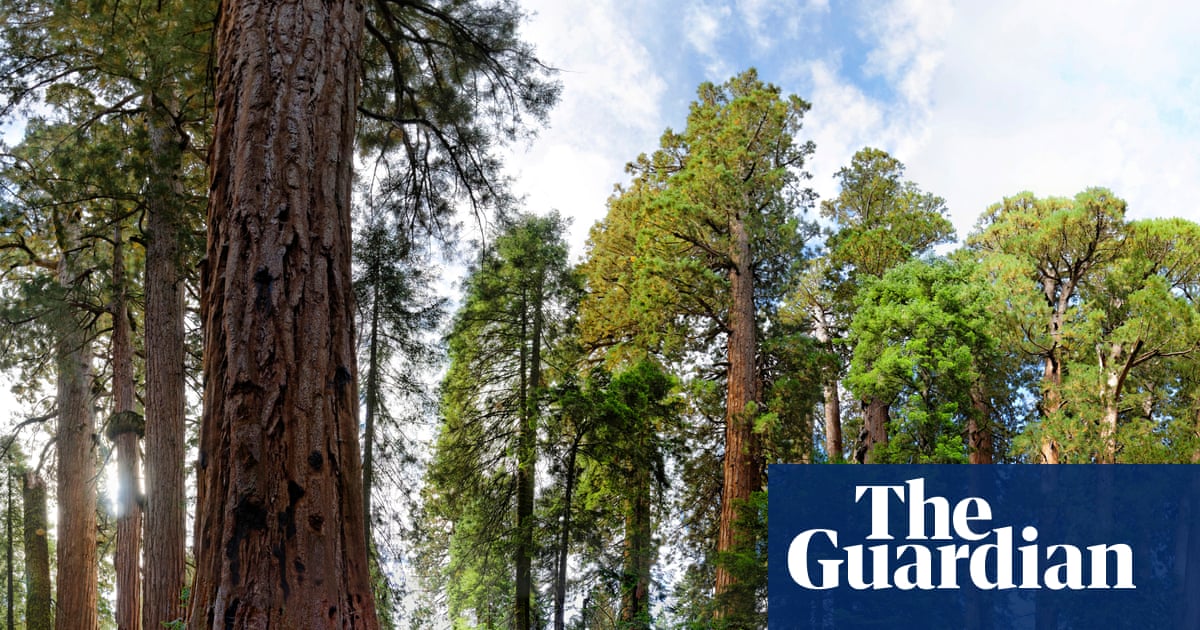
Park rangers have dismantled an illegal marijuana cultivation site in California’s Sequoia National Park, covering approximately 13 acres (5 hectares). The National Park Service (NPS) reported that last week they removed 2,377 fully grown marijuana plants along with nearly 2,000 pounds of trash and infrastructure via hand and helicopter operations.
Site Details and Environmental Impact
Discovered and raided by law enforcement in 2024, the site contained a semi-automatic pistol and hazardous chemicals, including Methamidophos, a toxic insecticide banned in the U.S. since 2009. Rehabilitation of the area did not occur until this year due to the presence of these dangerous substances. Currently, no arrests have been made, and the investigation continues.
The NPS highlighted multiple environmental damages resulting from the cultivation efforts. These include the diversion of natural water flow from a nearby creek, the installation of irrigation lines, and the construction of large pits to store diverted water. Significant clearing of natural vegetation and the digging of terraces for marijuana planting have further degraded the ecosystem.
Long-term Consequences
The development of campsites and cultivation areas in the wilderness, alongside evidence of poaching and unregulated trails spanning approximately 2 miles (3 km), points to a worrying trend. Large-scale marijuana cultivation in California’s Central Valley impacts local ecosystems severely, with each marijuana plant consuming six to eight gallons of water daily that would otherwise support wildlife and native vegetation. Furthermore, runoff from these sites may carry harmful pesticides into nearby waterways.
Over the last twenty years, drug trafficking operations have led to extensive marijuana cultivation in and around Sequoia and Kings Canyon national parks, resulting in the eradication of nearly 300,000 plants valued at approximately $850 million. Despite the legalization of marijuana in California in 2016, stringent production regulations have fueled a booming black market, exacerbating environmental damage statewide.
Local Impact in Mississippi
The implications of illegal marijuana cultivation stretch beyond California, raising concerns about practices in states like Mississippi. As the state continues to navigate the complexities of cannabis legislation, the emergence of licensing and regulatory frameworks is essential. This approach aims to mitigate illegal operations while fostering a controlled environment for legitimate businesses.
In Siskiyou County, over 15,000 acres (6,070 hectares) of illicit cultivation have led to a notable decline in wildlife, compounded by the unregulated use of pesticides. As seasoned professionals in the field emphasize, the absence of wildlife in affected areas highlights the urgent need for responsive policies that protect both the environment and agricultural integrity.
