


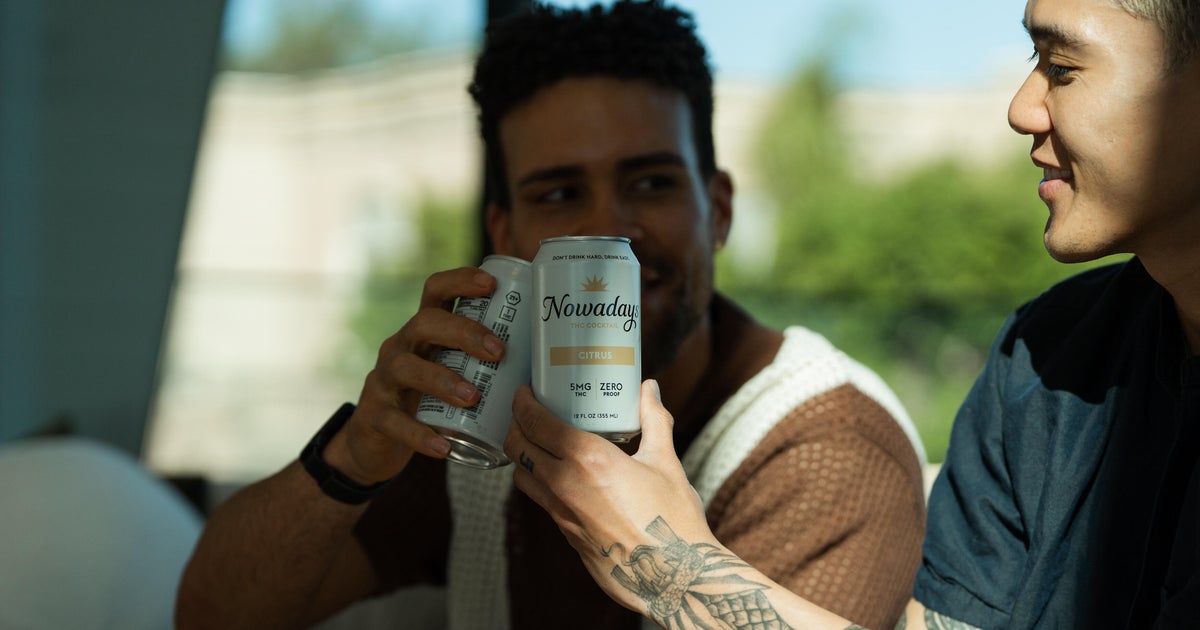
Americans are increasingly turning to cannabis beverages, nonalcoholic drinks infused with tetrahydrocannabinol (THC), while still enjoying traditional options. These innovative drinks, which may also contain cannabidiol (CBD), come in various forms like seltzers, juices, sodas, and teas. As consumer demand shifts, fewer Americans are consuming alcohol; a recent Gallup survey reveals that only 54% of U.S. adults drink alcohol, the lowest percentage recorded since 1939. This trend reflects a growing belief that even moderate alcohol intake can be unhealthy.
Market Dynamics and Growth
A multitude of brands, both small and large, are now promoting cannabis beverages, often as alternatives to alcohol. Analysts predict that THC beverage sales in the U.S. could surge from $1.1 billion last year to nearly $5.6 billion by 2035. Beau Whitney, chief economist at Whitney Economics, indicates that there is a significant replacement dynamic occurring between THC beverages and traditional alcohol.
Michelle Rutter Friberg from the National Cannabis Industry Association notes that the rapid growth and innovation in the hemp-derived beverage sector indicate strong consumer enthusiasm. Many brands are appealing to social drinkers looking for lower-calorie options.
Health Considerations
While several THC beverage brands advertise themselves as nonalcoholic and low-calorie, medical professionals caution against potential side effects. Cannabis consumption, regardless of the form, can impact mental health and can lead to conditions such as anxiety and elevated heart rates. Dr. Céline Gounder highlights that short-term effects may include issues with memory and coordination, which can slow reaction times and increase crash risks.
Long-term use, particularly among adolescents, may lead to significant cognitive issues and potential cannabis-use disorder, characterized by continued use despite adverse effects. Pregnant individuals, teenagers, and those with pre-existing medical conditions are deemed most at risk.
Regulatory Landscape
Currently, THC beverages are legally available in 44 states with varying regulations regarding sales. In many areas, these drinks can be found in restaurants, grocery stores, and liquor outlets. For instance, in Atlanta, the Scofflaw Beverage Company has transitioned from brewing beer to canning hemp-derived THC drinks as a response to changing consumer needs and legal frameworks.
Major retailers, such as Target, have begun experimenting with selling THC beverages, underscoring the significant shift in consumer preferences. Target’s initiative makes it the first major retail chain to explore the THC beverage market in Minnesota, in tandem with other stores like Total Wine & More.
Demographic Trends and Market Implications
The cannabis beverage sector is rapidly expanding, particularly among women in their 30s and 40s seeking healthier alternatives to alcohol. This demographic is increasingly replacing traditional alcoholic beverages with THC-infused options that align with their lifestyle choices.
Established alcohol brands are also entering the cannabis space, with companies like Lagunitas Brewing and Pabst launching their own THC-infused products. As the market for cannabis beverages flourishes, Mississippi’s local businesses and consumers stand to benefit from the evolving landscape and potential legislative changes in cannabis policy.
