

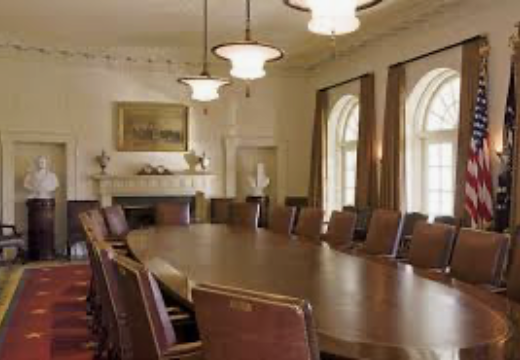
The President’s Cabinet Cannabis Policy 2026: Standing on Marijuana Legalization and Federal Reform
As cannabis legalization expands across the United States, the positions of key federal officials significantly influence the pace and scope of reform. Recent changes in leadership at the Department of Justice and Homeland Security suggest that now may be an opportune moment for strategic shifts in policy. The evolving administration’s approach to marijuana regulation is causing uncertainty within the industry.
Vice President: JD Vance
Vice President Vance has adopted a cautious yet pragmatic stance on cannabis. While he is not a vocal advocate for legalization, he recognizes the discrepancy between federal law and state-level legalization. His approach favors states’ rights and leans toward tolerance rather than proactive reform.
Acting Attorney General: Todd Blanche
As Acting Attorney General, Todd Blanche plays a crucial role in overseeing federal cannabis enforcement. Although he has yet to establish a public record on marijuana policy, his temporary position indicates a likely continuity in enforcement norms, avoiding drastic changes regarding legalization or prosecution priorities.
Chief of Staff: Susie Wiles
Susie Wiles operates as a key power player behind the scenes. Although she has not publically declared a stance on cannabis, her influence on policy direction and messaging is substantial. Her strategies are expected to align with broader political objectives rather than directly shape cannabis policy.
Senior Advisor: Stephen Miller
Stephen Miller represents one of the more hardline perspectives within the administration. His focus on law enforcement and federal authority indicates skepticism toward marijuana legalization, particularly when framed as a public safety issue.
Cabinet Secretaries
Secretary of State: Marco Rubio
Marco Rubio has consistently opposed recreational marijuana legalization, citing health and social impacts. While he has become slightly more supportive of medical research, he remains cautious about any expansive reform.
Secretary of the Treasury: Scott Bessent
Scott Bessent’s role is critical for cannabis banking reform, although he has not been public with his views. The Treasury’s leadership will significantly impact whether cannabis businesses gain access to financial services, an essential concern for the industry.
Secretary of Defense: Pete Hegseth
As Secretary of Defense, Pete Hegseth oversees a department where cannabis remains prohibited. He is actively involved in the War on Drugs, and significant changes in policy are unlikely, especially concerning military readiness.
Secretary of Health and Human Services: Robert F. Kennedy Jr.
Robert F. Kennedy Jr. is recognized as one of the most cannabis-friendly voices in the cabinet, supporting both legalization and regulation. His department could be instrumental in any future rescheduling decisions regarding cannabis.
Secretary of Homeland Security: Markwayne Mullin
Markwayne Mullin brings a law-and-order approach to the Department of Homeland Security, focusing on illicit trafficking and border enforcement. Although not directly involved in cannabis legalization discussions, his leadership will affect how federal authorities manage interstate cannabis issues.
Secretary of Commerce: Howard Lutnick
Howard Lutnick is expected to take an economic perspective on cannabis. As federal restrictions evolve, the Commerce Department could facilitate normalization, particularly concerning interstate trade and industry expansion.
Secretary of Labor: Lori Chavez-DeRemer
Lori Chavez-DeRemer has shown a moderate openness towards workforce-related cannabis issues, advocating for employee protections tied to legalization.
Secretary of Energy: Chris Wright
Chris Wright has not taken a clear public position, but considering the energy demands of cannabis cultivation, this issue may intersect with his policies.
Secretary of Education: Linda McMahon
Linda McMahon has previously supported medical marijuana, emphasizing its benefits. While she has no known links to cannabis companies, her department is expected to focus on prevention messaging regarding drug use.
Secretary of Veterans Affairs: Doug Collins
Doug Collins has expressed a willingness to consider medical cannabis, especially for veterans suffering from PTSD and chronic pain, an area with increasing bipartisan interest.
Secretary of Agriculture: Brooke Rollins
Brooke Rollins is more focused on hemp, but regulatory overlaps necessitate her role in discussions surrounding cannabis. She is likely to endorse agricultural innovation within federal limits.
Secretary of Transportation: Sean Duffy
Sean Duffy has prioritized safety concerns, particularly around driving under the influence. His stance suggests a cautious, enforcement-oriented approach to cannabis policy.
Secretary of Housing and Urban Development: Scott Turner
Scott Turner has not made cannabis policy a priority publicly, despite ongoing federal housing restrictions related to marijuana usage.
Secretary of the Interior: Doug Burgum
Doug Burgum brings a pragmatic perspective influenced by state legalization trends. His department may shape cannabis policy concerning federal lands and tribal jurisdictions.
With Todd Blanche managing the Justice Department and Markwayne Mullin directing DHS, the administration’s cannabis policy appears to be entering a more transitional and enforcement-focused phase. The cabinet reflects a range of views, from reform-friendly figures like Robert F. Kennedy Jr. to more cautious advocates such as Marco Rubio and Stephen Miller. Ultimately, these policies will be guided by the President.
For the cannabis industry and advocates in Mississippi, it is evident that while federal reform remains a possibility, it is likely to proceed incrementally, shaped by regulatory, economic, and political realities in a dynamic administration.
