

Reporting from Oxford, Miss. — A narrow, brightly lit beige hallway leads to an imposing steel vault. As a scientist opens the door, a potent scent of marijuana wafts into the air. Inside, countless baggies of marijuana buds are neatly filed in bankers’ boxes, alongside barrels filled with dried, ready-to-smoke cannabis and freezers stocked with buckets of potent extracts. Large metal canisters hold hundreds of perfectly rolled joints, and even boxes labeled “marijuana trash” — contaminated waste that some might attempt to reclaim for a cheap high.
This facility houses one of the nation’s most impressive and controversial stockpiles of marijuana, grown, processed, and sold under the auspices of the federal government. It is the sole source of cannabis permitted for researchers conducting Food and Drug Administration-approved tests into the medical applications of marijuana.
Regulation and Research Challenges
Researchers must obtain approval from the Drug Enforcement Administration (DEA) before accessing the 46-year-old Marijuana Research Project at Ole Miss, with additional sign-off often required from a panel including the National Institute on Drug Abuse. Some prominent researchers argue that this approval process is unreasonably stringent for those seeking beneficial uses for cannabis.
Mahmoud A. ElSohly, the head of the research team, has become a contentious figure among legalization advocates and scientists alike. He acknowledges a paradoxical situation: “The DEA is acting like this is 1935 and cannabis is this extremely dangerous substance.” Federal law classifies marijuana as a more dangerous substance than cocaine, despite its legal use in 21 states and the District of Columbia.
Impact on Medical Research
Researchers like Orrin Devinsky, director of the Comprehensive Epilepsy Center at NYU Langone Medical Center, are exploring cannabis compounds such as CBD, which shows promise in seizure suppression. However, acquiring the necessary materials for research remains a challenge, impacting both physicians and their patients.
While patients in states with dispensaries can access cannabis, they often lack reliable information about its cannabinoid profiles, particularly CBD content.
The Future of Cannabis Research
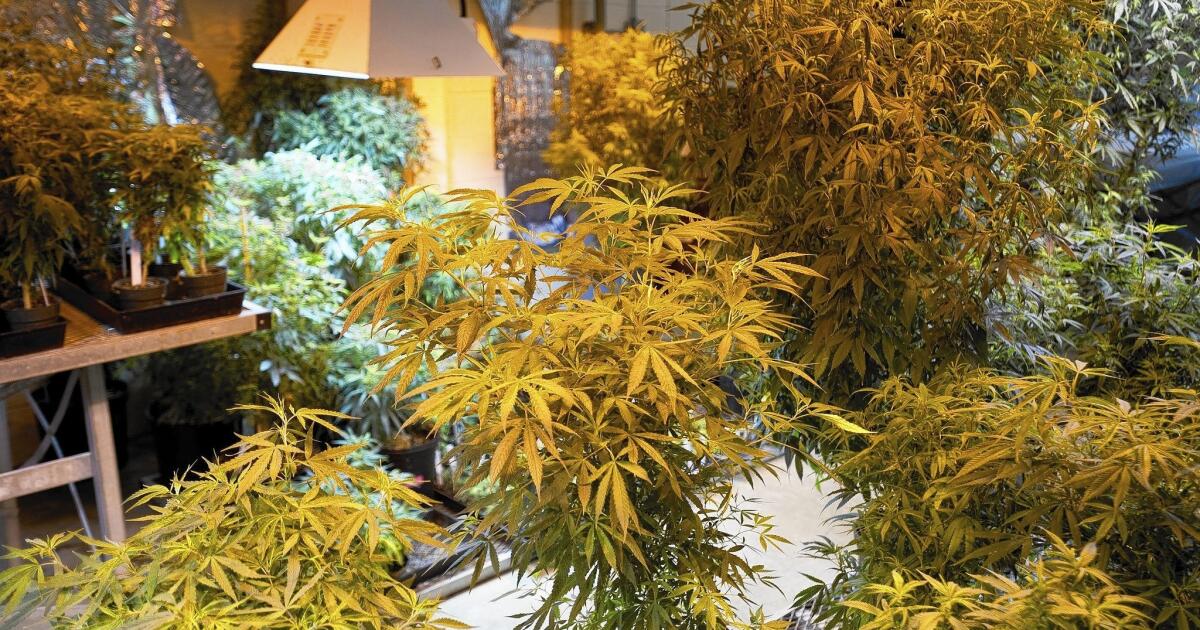
ElSohly is currently preparing to resume operations at the 12-acre marijuana farm, which has been largely inactive since budget cuts in 2007. He plans to cultivate 30,000 plants, facing accusations of maintaining a monopoly in collaboration with the DEA. Yet, ElSohly, an Egyptian immigrant leading the project since 1980, finds himself in a complex position, navigating the tension between researchers and a government agency that remains wary of marijuana.
Contemplating the potential consequences of cannabis legalization, ElSohly admits, “I could lose it,” referring to his research contract. Despite his caution, he sees possibilities: “Maybe if it becomes legalized, we could start producing high-quality materials for pharmaceutical products.”
However, with respect to public health, he cautions against smoking cannabis, advocating for alternative delivery methods. His proposals, including a suppository for THC administration, have drawn criticism, with skeptics accusing him of exploiting his insider status while overlooking patient affordability issues.
Research Limitations
While ElSohly must navigate the same regulatory hurdles as other researchers, he emphasizes his commitment to compliance, given the valuable contract with the DEA. In 2007, a ruling suggested that the University of Massachusetts should also be allowed to cultivate marijuana for research, yet the DEA overruled this decision.
Standing amidst rows of plants, ElSohly reveals that he has never used cannabis himself, a stance that has led to awkward moments at industry conferences. Zlatko Mehmedic, his deputy and former narcotics official, confirms that their work emphasizes analyzing the increasing potency of street cannabis, contrasting sharply with the lack of transparency regarding products sold in dispensaries.
ElSohly’s research continues to captivate interest on campus, where students sometimes attempt to “fish” for cannabis plants beyond the facility’s security fence. While their endeavors are primarily met with security interventions, the curiosity underscores the evolving dialogue surrounding cannabis policy and research in Mississippi.
