

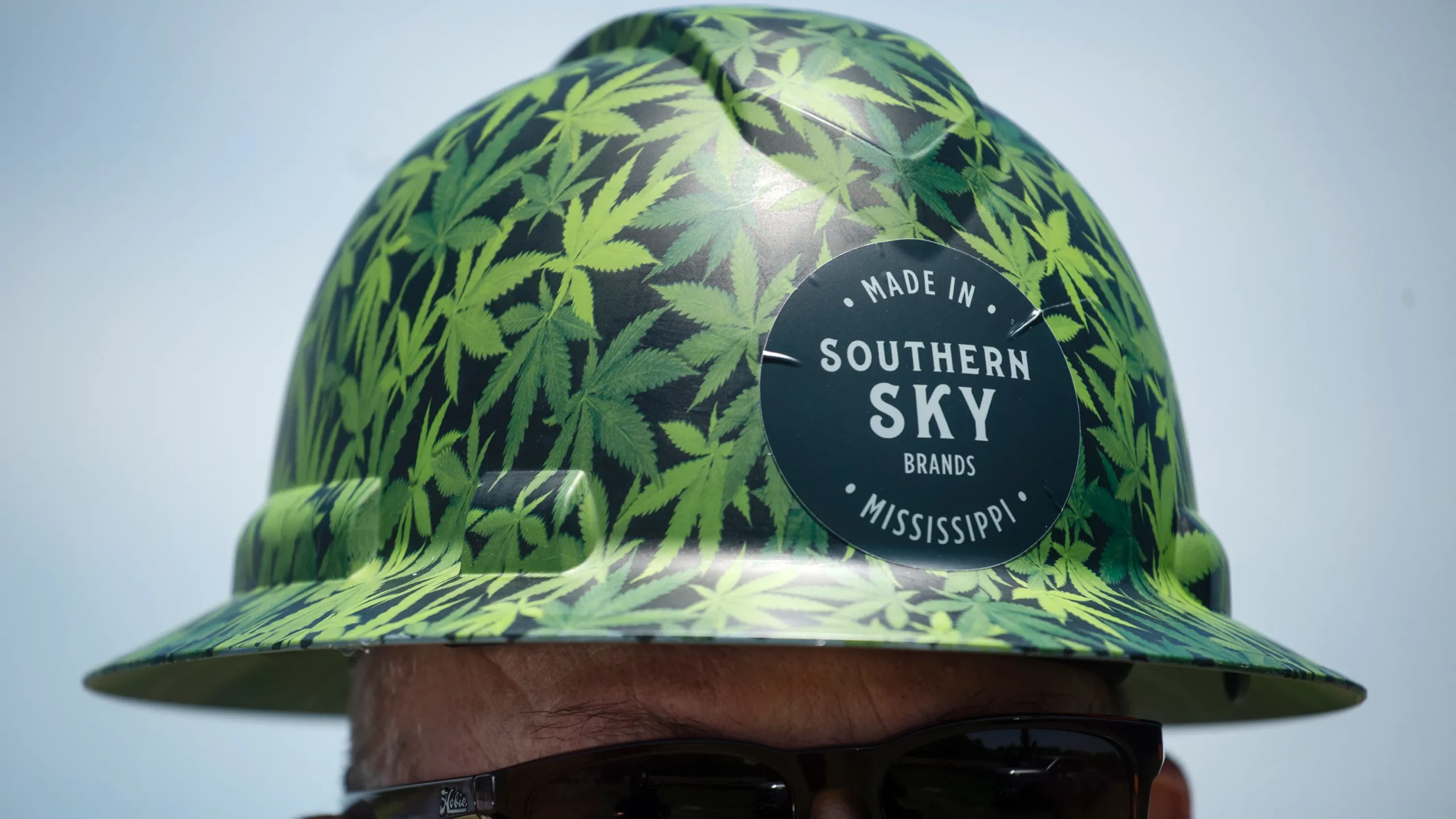
On February 20, 2021, Russell Colby relocated from Missouri to Jackson, Mississippi, with aspirations to establish a medical marijuana business. Following a November election where Mississippians overwhelmingly voted to legalize medical marijuana, Colby, who holds 14 cannabis dispensary licenses in Missouri, saw a lucrative opportunity in the Magnolia State. “It was like a gold rush,” Colby, of BesaMe Wellness, remarked.
However, after the Mississippi Supreme Court struck down a crucial medical marijuana initiative in May due to flawed language in the state constitution’s ballot initiative process, plans like Colby’s have hit a standstill. It now falls to state lawmakers to create a structured program for medical marijuana, something that Governor Tate Reeves and other top officials have indicated support for, though specifics remain elusive.
Challenges Ahead for Lawmakers
Investors in the medical marijuana sector, many of whom have already invested significant resources, are left uncertain about the future. “I think all the horses need to be pulling the cart the same way. That’s from the Senate, that’s from the House, that’s from everybody,” stated Justin Mahfouz, founder of Southern Sky Brands. “At the end of the day, everybody will benefit from the right program.” Despite assurances that lawmakers are working diligently to craft legislation, critical questions linger about state taxation, revenue allocation, zoning for dispensaries, purchase limits, and eligibility for medical marijuana access.
Officials from Reeves’ office, as well as Lt. Gov. Delbert Hosemann and House Speaker Philip Gunn, have refrained from providing details, citing ongoing legislative processes. Hosemann noted that upcoming hearings led by Senate Public Health Committee Chair Sen. Hob Bryan would inform whatever legislation emerges. The next hearing is scheduled for June 28, where lawmakers will examine medical marijuana programs in other states.
Examining State Models
Mississippi’s Initiative 65, which had been endorsed by voters, mirrored Oklahoma’s expansive medical marijuana framework, where approximately 10% of residents hold medical marijuana cards. Senator Bryan mentioned that legislators would consider whether models like those in Utah or Alabama, which have more restricted access, may be better suited for Mississippi.
“We need to decide how marijuana should be made available and who should be able to get it under what circumstances,” Bryan said. “As far as the taxation and the economic development around this, to me that’s secondary.” Without a special session called by Reeves, no legislation can be enacted this year. Lawmakers are aiming to reach a consensus before the governor reconvenes the Capitol.
Despite the legislative gridlock, investors remain optimistic about entering the state’s emerging marijuana market. Mahfouz’s Southern Sky Brands plans to construct a $20 million, 70,000 square-foot facility in Canton, designed for growing, processing, and shipping marijuana. Mahfouz aims to create around 100 jobs with benefits for employees, while he believes oversight is essential and opposes subjecting medical marijuana to state sales tax.
Concerns About Equity and Regulation
As it stands, Mississippi law exempts prescription medications from sales tax, raising questions about whether marijuana would require a similar exemption if taxed. Earlier hearings revealed concerns about the adequacy of Initiative 65, particularly surrounding revenue and zoning regulations for dispensaries.
Deaundrea Delaney, who owns Hemp World, a chain of CBD stores in the metro Jackson area, expressed interest in entering the medical marijuana business. She acknowledges the economic advantages of a medical marijuana tax stream but emphasizes the importance of equitable regulation to prevent large entities from outpricing small businesses. “You’ve got all these people hopping up saying, ‘I’m gonna grow, I’m gonna sell,’ and I don’t want them to price out small business,” Delaney commented.
While the statehouse remains divided, there is a palpable sense of urgency among potential growers and distributors. “We’re ready to roll,” Delaney noted. “Just waiting on the legislature.”
