

As the nation anticipates a final result from the presidential election, a notable victor has emerged: drugs. This week marked significant advancements in drug policy, with five states—Arizona, New Jersey, South Dakota, Montana, and Mississippi—legalizing some form of marijuana use. Oregon notably became the first state to decriminalize the possession of small amounts of harder drugs, such as cocaine, heroin, and methamphetamine, allowing such violations to be punishable only by fines rather than jail time.
Breakthroughs in Cannabis Legislation
Oregon and Washington, D.C., also saw voters approving measures for the therapeutic use of psychedelic mushrooms, which have been prescribed in Canada to help terminally ill patients manage pain and anxiety. Avis Bulbulyan, CEO of SIVA Enterprises, remarked, “People are realizing it’s not just about getting high.” He added that this represents a tipping point for drug policy without any federal reform.
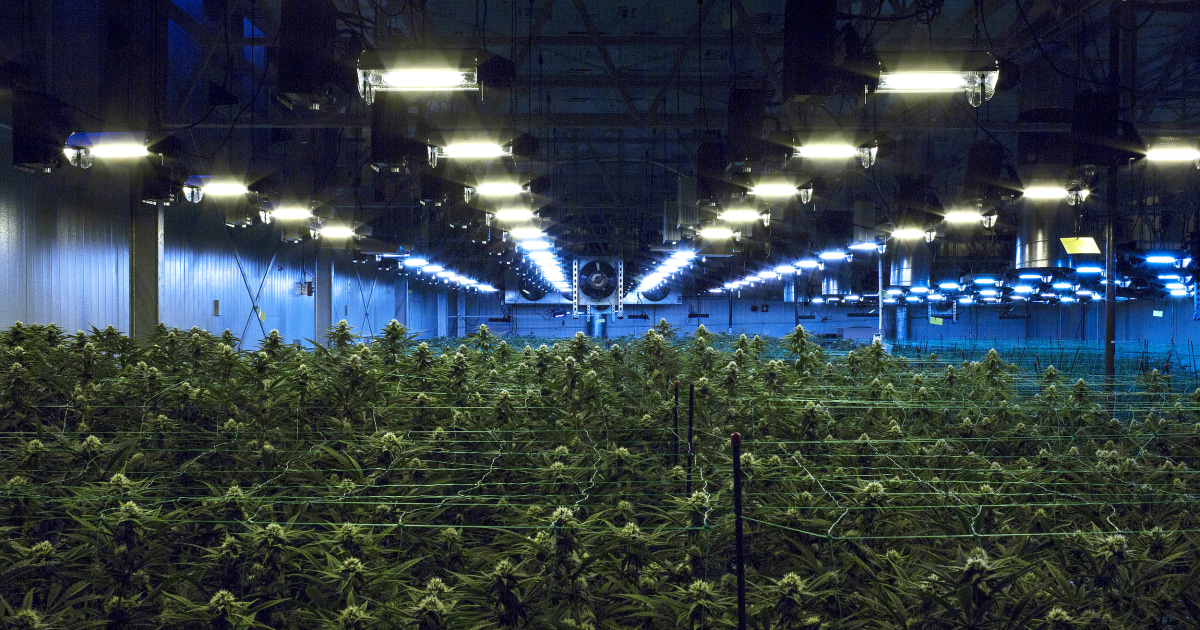
South Dakota made history by becoming the first state where voters approved both recreational and medical cannabis in the same election. Mississippi followed suit by legalizing medicinal marijuana, while New Jersey, Montana, and Arizona all embraced recreational cannabis legalization.
Public Support and Legislative Challenges
Despite the public’s growing consensus on legalization, Erik Altieri, executive director of the National Organization for the Reform of Marijuana Laws (NORML), stated that elected officials have often remained unresponsive to this issue. “These results once again illustrate that support for legalization extends across geographic and demographic lines,” he noted, highlighting that the issue transcends party politics.
Just a decade ago, recreational cannabis was illegal in all states, but this changed beginning in 2012 when Colorado and Washington legalized it for recreational use. Since then, numerous states, including Pennsylvania and New York, have ventured into medicinal markets, culminating in 15 states, two territories, and Washington, D.C., now permitting recreational use of marijuana.
Implications for Mississippi
In Mississippi, while the legalization of medicinal marijuana has occurred, advocates are concerned that the state’s ballot measure lacks clarity regarding social justice issues associated with the war on drugs. The question on the ballot appeared straightforward, asking if voters approved amending the Constitution to legalize a controlled form of marijuana. However, some believe this language may not fully decriminalize all adult-use cannabis, raising questions about the future of cannabis arrests and convictions in the state.
Arizona’s new measure allows for the expungement of certain cannabis-related convictions, which voters previously rejected in 2016. As the cannabis industry evolves, Mississippi stands at a crossroads, needing to clarify its regulations to align effectively with public sentiment and needs.
Broader Trends in Drug Policy
Oregon’s voters approved Measure 110, allowing individuals caught with small amounts of hard drugs to avoid jail time through a fine or attending rehabilitation. This measure aims to reduce criminalization and promote treatment, funded by tax revenues from the state’s legal cannabis market. In Washington, D.C., Initiative 81 seeks to lower the enforcement priority for psychedelic plants and fungi, though it does not fully legalize them.
Oregon also legalized psilocybin for therapeutic use, enabling its production to treat patients with mental health disorders. Research indicates that psilocybin can alleviate stress and promote positive emotional states, impacting the future landscape of mental health treatment.
As drug policy continues to shift, the implications for business development, market opportunities, and local governance are substantial, paving the way for a more progressive approach to drug regulation across the United States.
