


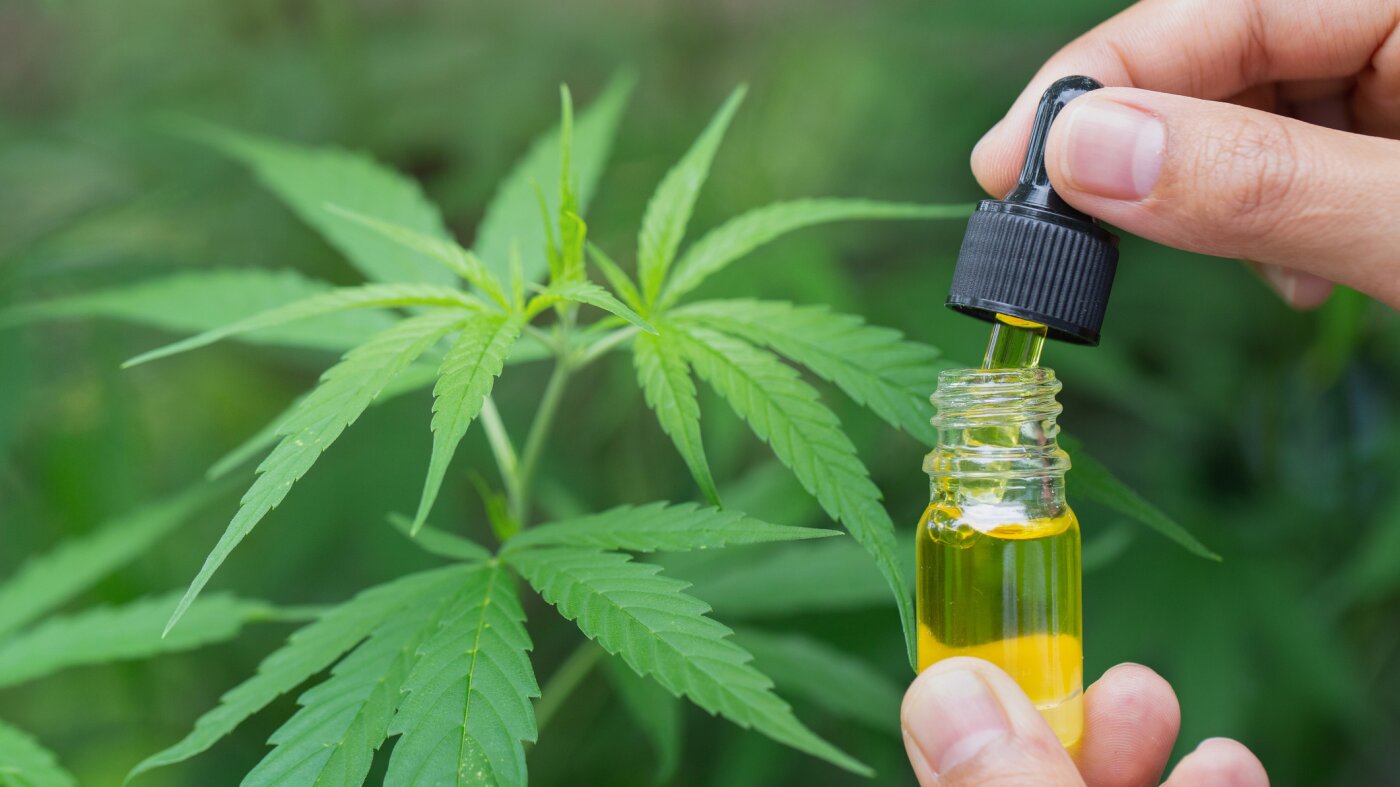
Many people are exploring cannabis as a potential solution for back pain. Recent studies from Europe suggest it may indeed be an effective option.
Research Findings on Cannabis and Back Pain
The question of whether to try cannabis for back pain is common among patients, according to spine surgeon Richard Price. After reviewing existing evidence, Price noted a lack of high-quality studies, despite chronic pain being a prevalent reason for seeking medical marijuana. “Anecdotally, [people] say cannabis works great,” said Price, an assistant professor at UC Davis. “It’s the only thing that helps them sleep at night, the only thing that takes the edge off.”
Interest has grown following two clinical trials conducted in Europe that assessed cannabis for low back pain, a leading cause of disability globally. The first trial, published in Nature Medicine, demonstrated that a specific cannabis oil blend, containing THC and CBD, surpassed a placebo in effectiveness. The second trial compared this cannabis tincture to opioids and found that cannabis resulted in fewer gastrointestinal side effects and provided superior pain relief over a six-month period. Price considers these studies “groundbreaking” and vital for expanding the evidence base related to cannabis in pain management.
Regulatory Challenges and Market Implications
Despite the promising findings, cannabis remains classified as a Schedule 1 drug in the U.S., complicating the path for large-scale clinical trials. The German company that funded the studies, Vertanical, expects to receive approval to market its full-spectrum cannabis oil, known as VER-01, in several European countries soon. In contrast, the FDA requires that this research be replicated in the U.S., potentially delaying approval for years.
“If politicians or the FDA want to speed up the process, we are ready,” said Dr. Clemens Fischer, founder of Vertanical. The FDA acknowledged the need for rigorous research but did not comment specifically on the VER-01’s future.
The Efficacy of Cannabis vs. Opioids
Kevin Boehnke, an assistant professor of anesthesiology at the University of Michigan, called the findings “remarkable,” particularly since cannabis provided better pain relief and improved sleep compared to opioids. Approximately 400 participants were involved in the opioid trial, making it representative of real-world scenarios. According to Boehnke, many patients prefer cannabis over opioids due to its effectiveness and minimal side effects.
While cannabis tinctures may not be immediately accessible in the U.S., Boehnke suggests considering similar products as alternatives to opioids for low back pain treatment. “It might not be exactly the same, but I think this provides a lot of useful evidence for patients,” he remarked.
However, some experts urge caution. Simon Haroutounian, who leads research at the Washington University Pain Center, believes the findings may be specific to the compound tested, noting that patients in the cannabis group experienced a 30% decrease in pain over 12 weeks compared to about 20% in the placebo group. He emphasized that while cannabis offers a promising treatment option, it is not a universal solution for all chronic pain conditions.
Safety and Patient Experiences
Advocates for medical cannabis highlight its favorable safety profile compared to opioids, which present risks of overdose and addiction. Fischer noted that participants in the trials showed no signs of dependency or withdrawal, often remaining functional in their daily lives.
Despite the overall positive findings, the studies reported comparable rates of side effects among patients on cannabis and opioids, with about 13% of participants withdrawing from the trials. Individual experiences vary widely; while some patients have successfully reduced their opioid use with cannabis, others have encountered adverse reactions.
The Path Forward for Cannabis in Pain Management
Currently, the only cannabis-derived medication approved by the FDA is Epidiolex, a treatment for seizures that does not contain THC. Experts like Boehnke believe that THC is integral to its pain-relieving effects. As medical cannabis becomes widely legalized, concerns remain about product quality and consistency across states.
Ellen Lenox Smith from the U.S. Pain Foundation advocates for comprehensive research to inform patients, stating, “It’s unfortunate because a lot of people are kind of just on their own.” With a personal history of using medical marijuana for Ehlers-Danlos syndrome, she emphasizes the need for federally approved options to ensure patient confidence in their treatments.
Ultimately, UC Davis surgeon Richard Price supports exploring cannabis as a reasonable alternative for patients not seeking surgery but stresses the need for further research before endorsing it broadly. “It’s really challenging to tell somebody, ‘I know you’re in pain, but there’s nothing I can do for you, and a lot of patients do not want to go on opioids,” he concluded.
