

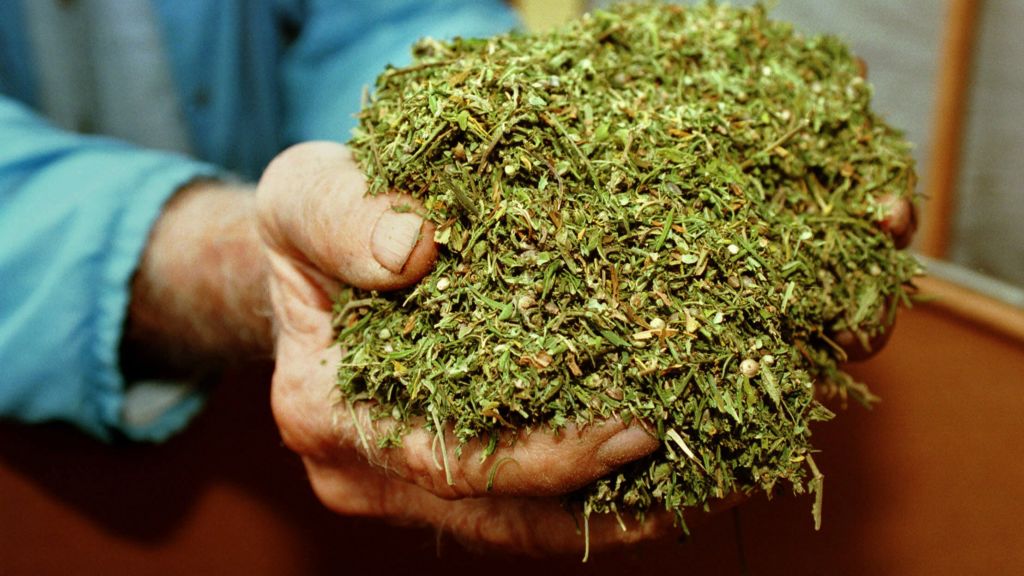
Wanted: a contractor to cultivate marijuana for the federal government, with potential contracts worth millions and an opportunity to aid medical research. Candidates must navigate the complexities of costs and regulations associated with cultivating a federally prohibited substance.
For over four decades, the University of Mississippi has held a unique license to grow marijuana for approved federal research. Recently, the Drug Enforcement Administration (DEA) announced plans to allow additional growers, aiming to broaden the supply and variety of marijuana available for study.
Interest from Agricultural Institutions
Has the DEA’s announcement sparked a rush to enter the marijuana cultivation market? The response appears tepid. Outreach to several agricultural institutions, including those engaged in industrial hemp, revealed a lack of interest. Notable universities such as Cornell, Kentucky, Virginia Tech, Michigan State, and the University of Vermont have expressed no intention to participate.
Similarly, University of California, Davis, and University of Nebraska, Lincoln, along with Colorado State and Oregon State Universities, have indicated they are not pursuing applications. “We are very boring that way,” remarked Janna Beckerman, a plant pathologist at Purdue University.
While some institutions may be discreet about their intentions, challenges remain significant. Prospective applicants must demonstrate adequate security measures and readiness to comply with a range of regulations. This could involve considerable financial investments, particularly in states with stringent medical marijuana regulations.
Regulatory Hurdles and Industry Caution
Bob Morgan, a former head of Illinois’s medical marijuana program, notes that facilities in highly regulated states could face multimillion-dollar construction costs. The complexity of obtaining DEA licenses weighs heavily on potential applicants.
Dr. Igor Grant, director of the Center for Medicinal Cannabis Research at the University of California, San Diego, expressed uncertainty among potential growers about the requirements for a DEA license. He has considered consulting with other California universities to explore the feasibility of cultivation operations but has not encountered active interest from applicants.
One potential contender is Lyle Craker from the University of Massachusetts, Amherst. He has attempted to secure approval for marijuana cultivation in the past and enjoys backing from the Multidisciplinary Association for Psychedelic Studies.
Legal Status and Challenges for Cultivators
Independent growers in states where marijuana is legally cultivated may also be eyeing opportunities. Experienced cultivators could present advantageous proposals; however, their operational history may conflict with federal laws. In a memo regarding the policy change, DEA Acting Administrator Chuck Rosenberg emphasized that any illegal activity involving controlled substances would be scrutinized during the application process.
Rachel Gillette, an attorney representing marijuana businesses, pointed out that past violations of the Controlled Substances Act would negatively impact an applicant’s chances.
Yet, there are those willing to navigate these challenges. Charlie Bachtell, CEO of Cresco Labs, a medical marijuana producer in Illinois, is contemplating a DE application to advance research into marijuana’s medical benefits. He emphasizes the critical role of research in the industry’s future.
Opportunities for Drug Manufacturers
The DEA’s revised policy may also attract pharmaceutical companies. While existing marijuana grown at the University of Mississippi supports academic research, companies are now permitted to grow marijuana for commercial drug development. GW Pharmaceuticals, which produces a cannabidiol-based epilepsy drug, has indicated it is exploring potential growth facilities, although it has not yet made definitive plans.
The DEA is currently accepting applications but has not established a timeline for selecting growers. The agency is aiming for a balanced production of marijuana that aligns with research needs without exceeding demand.
If licensed cultivators face supply issues, they could either obtain marijuana from the University of Mississippi or seek seeds from international sources. However, sourcing marijuana from these avenues may conflict with the objectives of diversifying plant genetics.
In correspondence, a DEA spokesperson confirmed that new manufacturers would be required to source seeds from legitimate suppliers and that the agency would assist in facilitating this.
