


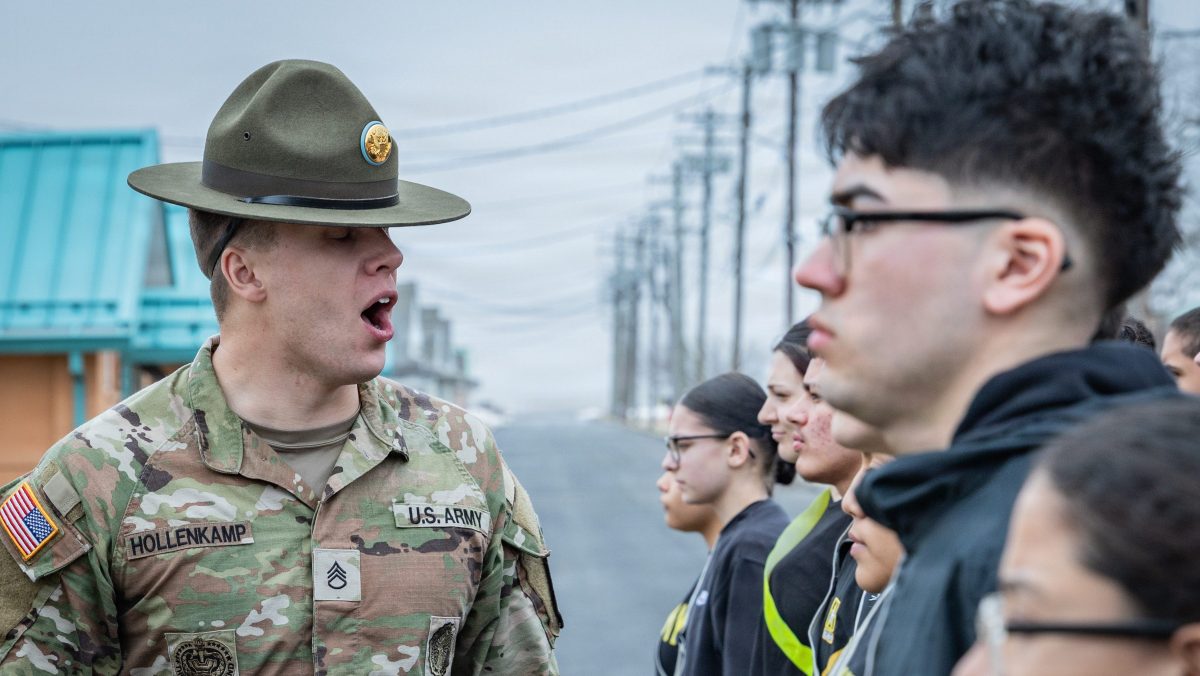
In a significant update to Army recruiting regulations, the maximum age for enlistment has been raised to 42. This adjustment also removes a barrier for recruits who have a single legal conviction related to marijuana or drug paraphernalia possession.
The previous age limit was set at 35, although exceptions were made occasionally. The newly established age cap aligns the Army with other branches of the military, such as the Navy, which has a limit of 41, and the Air Force and Space Force, which allow recruits up to age 42, according to Kate Kuzminski, a researcher focused on military recruiting at the Center for a New American Security.
Army recruiting officials have observed a trend in recent years, noting that the average age of recruits is on the rise. In 2024, they reported that the average recruit was 22 years and 4 months, with indications that this figure may continue to increase.
Pros and Cons of Older Recruits
Kuzminski highlighted both advantages and drawbacks to the age increase. A RAND Corporation report she authored indicated that older recruits tend to achieve higher scores on enlistment qualification tests and are more likely to reenlist and gain promotions. However, they also face challenges in graduating from basic training and exhibit higher attrition rates.
This change is part of a broader multi-billion-dollar reform effort within the military to address years of unmet recruiting goals. The Army, the largest military branch, did not fulfill its annual recruiting targets in 2022 and 2023. Recent initiatives include implementing a pre-boot camp preparation course for recruits who do not initially meet fitness and academic standards. Additionally, marketing strategies have shifted to resonate with younger generations, moving beyond the narrative of post-9/11 conflicts.
The updated recruiting strategy aligns with an evolving Army workforce that increasingly prioritizes education and job skills. In 2024, former Army Secretary Christine Wormuth emphasized a goal of having one-third of the force possess college degrees. Furthermore, the Army has expanded its direct commissioning program for tech professionals, intending to enhance technical expertise within its ranks.
Changes to Drug Conviction Regulations
The Army has also revised its waiver process concerning drug offenses. Under current regulations, a waiver is no longer necessary for a single conviction of marijuana possession or possession of drug paraphernalia. Previously, recruits with such convictions were required to obtain Pentagon waivers, wait 24 months, and pass a drug test at Military Entrance Processing Stations.
Kuzminski noted that this regulatory update reflects shifting societal views on marijuana use. While it allows for one mistake regarding drug offenses, recruits with a pattern of such behavior will still be subject to waiver requirements.
This lenient approach to recruitment amid tightening drug policies for active-duty personnel comes as both the Republican and Democratic factions in Congress indicate a more permissive stance toward recruits with marijuana-related convictions. As marijuana legalization expands across the United States, the Army is reassessing its stance on enlisting candidates with a single conviction.
Col. Angela Chipman emphasized that the enlistment age increase aligns with the need for technical talent, even among enlisted personnel. “We’re looking for a more mature audience that may have experience in technical fields,” Chipman said, highlighting the necessity for warrant officers possessing advanced technical capabilities.
Authorization for Waiver Approval
Recent amendments to the enlistment process now place waiver approvals for recruits with mental health or misconduct histories under the purview of Army Recruiting Command. This shift allows two- and three-star commanders to make decisions at the recruitment level, rather than the Army Secretary level, easing what has become an administrative burden.
Although waiver approval rates remain high, Chipman remarked that the standards regarding felonious behavior will not be lowered, ensuring that the Army maintains its commitment to recruiting quality candidates.
