

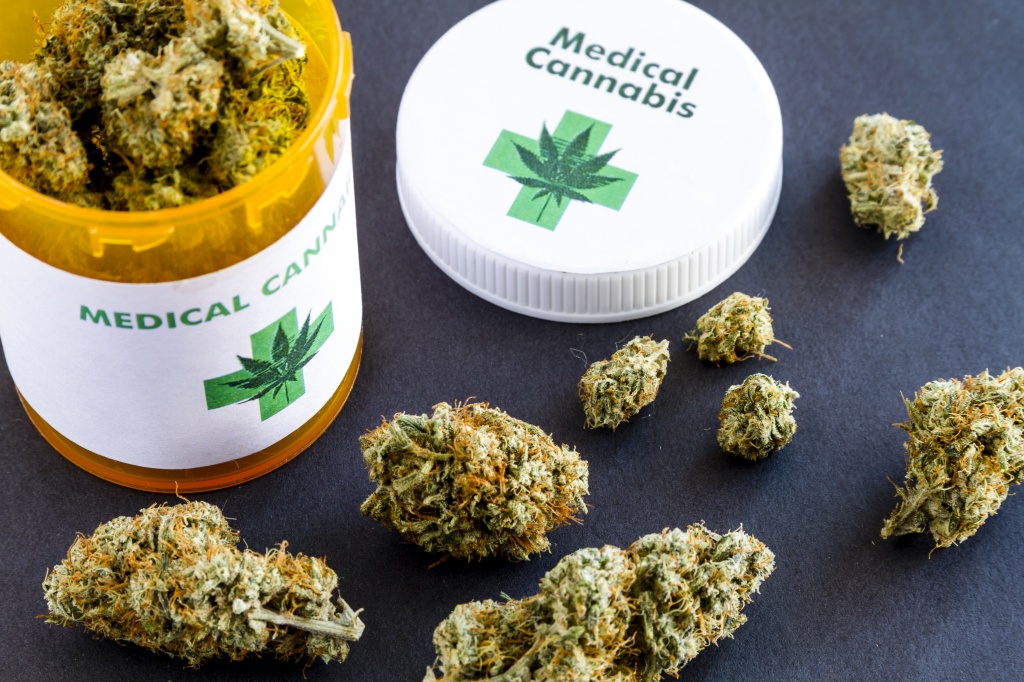
Protests have erupted near Mississippi’s Supreme Court and Capitol buildings following the recent overturning of Initiative 65, the state’s medical cannabis initiative that passed last November. Activists are demanding that the governor call a special session to restore the initiative.
On May 14, the state Supreme Court ruled 6-3, declaring that Mississippi’s entire initiative process, which allows citizens to petition for statewide votes, is outdated. The justices contended that the medical marijuana proposal was improperly placed on the ballot.
In November, approximately 1.3 million residents participated in the election, with over 766,000 voting in favor of Initiative 65. This figure exceeds the number of voters who backed then-President Donald Trump in the same election by about 10,000, demonstrating significant public support for the initiative.
Protests Demand Legislative Action
At the protest, one sign read, “New Math: 6 (is greater than) 766K,” highlighting the perceived discrepancy between the court’s ruling and public support. Brandon Allen, a military veteran, expressed his belief that cannabis could benefit veterans suffering from post-traumatic stress syndrome. “I don’t think the government should tell people how they should and shouldn’t live,” he stated.
Mississippi remains one of the few states without a medical marijuana program, and with the state legislature having adjourned in early April, only Governor Tate Reeves has the authority to reconvene it. So far, the governor has not indicated he will act on this matter.
Madison Mayor Mary Hawkins Butler opposed Initiative 65, arguing that it restricted local control over marijuana business regulations. She and the city of Madison sued the state shortly before the election, claiming the initiative process was flawed.
Legal Ruling Highlights Process Flaws
The Supreme Court justices concurred with Butler’s arguments, pointing to the outdated nature of the initiative process, which was established in the 1990s. They noted that the requirement for signatures from a fifth of voters in each congressional district is no longer feasible due to population changes that reduced Mississippi’s districts from five to four after the 2000 Census.
During the protest, remarks about Mayor Butler drew boos from the crowd, emphasizing the strong feelings surrounding the initiative.
DeAndrea Delaney, who operates hemp product businesses in Mississippi, addressed the crowd, stating that the medical marijuana vote united people across typical political divides. “Cannabis – there’s no gender gap. There’s no racial gap. There’s no red. There’s no blue. It’s just about the green today,” she asserted.
Future of Medical Cannabis in Mississippi
If Initiative 65 is reinstated, it would allow access to medical cannabis for individuals aged 22 and older with qualifying conditions, including PTSD, cancer, and epilepsy. Patients would be allowed to obtain up to 2.5 ounces of cannabis every two weeks, representing a significant development in the state’s approach to medical marijuana.
