

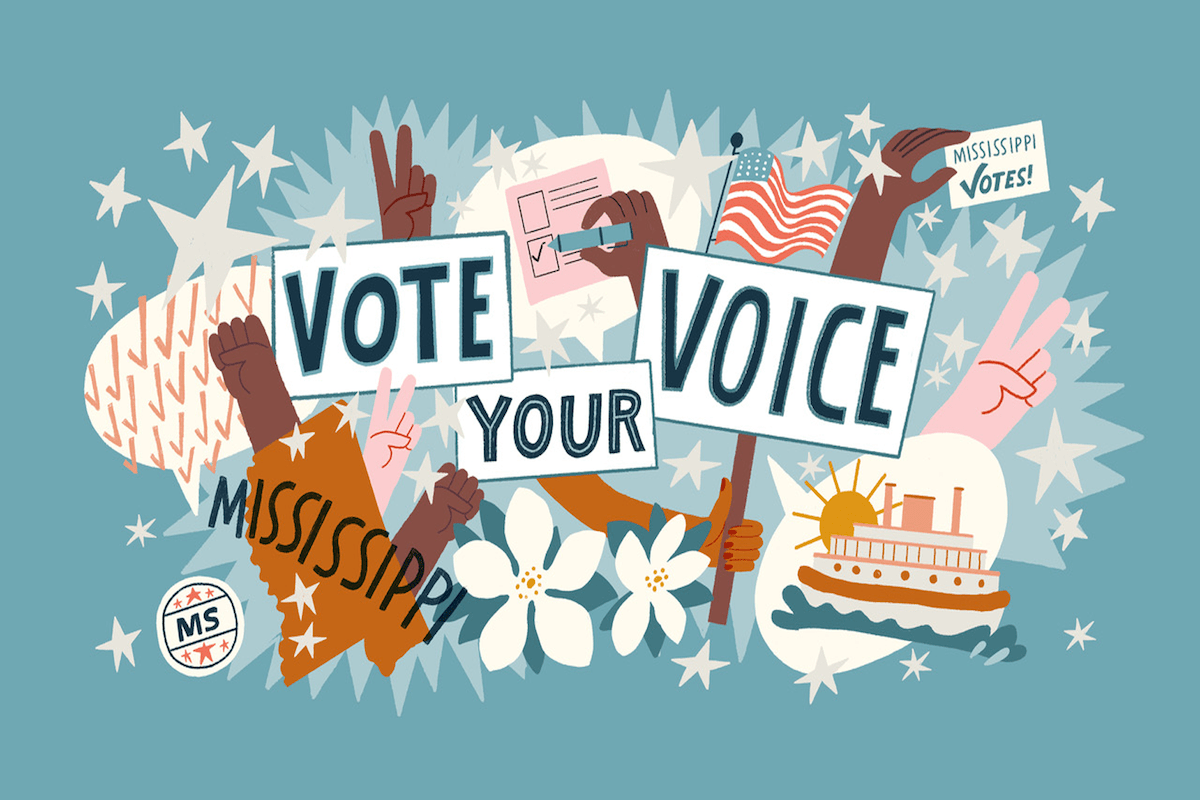
Following the 2020 election, Mississippi seemed to experience a shift toward progressivism. Seventy-three percent of voters approved a new flag design, a significant change from just two decades prior when Mississippians voted 2-to-1 to retain a Jim Crow-era flag adorned with Confederate imagery. Additionally, 78% of voters endorsed a ballot initiative to change the election process for statewide officials when no candidate secures a majority. Previously, the outdated system, a remnant of the Jim Crow era, allowed the all-white Mississippi House of Representatives to determine the winner in such cases, effectively sidelining Black candidates.
Under the new system, if no candidate achieves a majority, the state will conduct a runoff election between the top two contenders. The change addresses historical inequities that previously ensured exclusion.
In another significant step, more than 200,000 Mississippians signed a petition to place medical marijuana on the ballot, which voters then approved by a 3-to-1 margin. This was a striking repudiation of legislative resistance, particularly as lawmakers attempted to introduce a confusing alternative measure alongside the initiative to deter voter approval.
Progressive Streak ‘Fizzled Out’ in Mississippi
Fast forward one year, and the initial progressive momentum appears to have waned. While medical marijuana legalization is still in limbo, more pressing issues have arisen. The Mississippi Supreme Court has blocked the ballot-initiative process, which was crucial for advancing medical marijuana legislation.
The ruling stems from a discrepancy in the constitution that requires signature gathering from five congressional districts, a stipulation derived from when Mississippi had five districts in 1992. Following the 2000 redistricting, Mississippi now has four districts, yet the language has not been amended. The legislative body, responsible for these changes, has yet to take action.
The Supreme Court’s decision in May means any necessary fixes to the ballot-initiative process will have to wait for a special legislative session called only by Governor Tate Reeves. As of December, despite suggesting he would entertain a special session to address medical marijuana, Reeves has not followed through.
In September, legislative leaders claimed they had enough votes to replace the voter-approved medical marijuana program, but the Mississippi Supreme Court dismissed this alternative proposal. While some lawmakers expressed concerns about their bill, Reeves has opted not to convene the Legislature, instead focusing on public opposition to critical race theory and mask mandates, even as COVID-19 has claimed the lives of 1 in every 296 Mississippians since the pandemic’s onset.
End Medical Marijuana Debate Now
Reeves’ inaction will only complicate agendas for the upcoming 2022 legislative session. It is essential for the Legislature to resolve the ongoing debate over medical marijuana promptly. This would allow for next year’s session to focus on the underlying issues plaguing the ballot-initiative process.
There are concerns that, even if the process is addressed, legislative action could lead to more restrictive measures that undermine public interests. Ballot measures are vital for enhancing democracy and elevating marginalized voices, often bringing issues that might otherwise remain overlooked to the forefront of the legislative agenda.
Mississippi Votes, an organization committed to strengthening civic engagement and educating communities about voting rights, will continue to advocate for the restoration of the ballot-initiative process. The power to propose constitutional amendments must remain in the hands of the people, as losing this critical tool would be detrimental to Mississippi’s democratic framework.
