


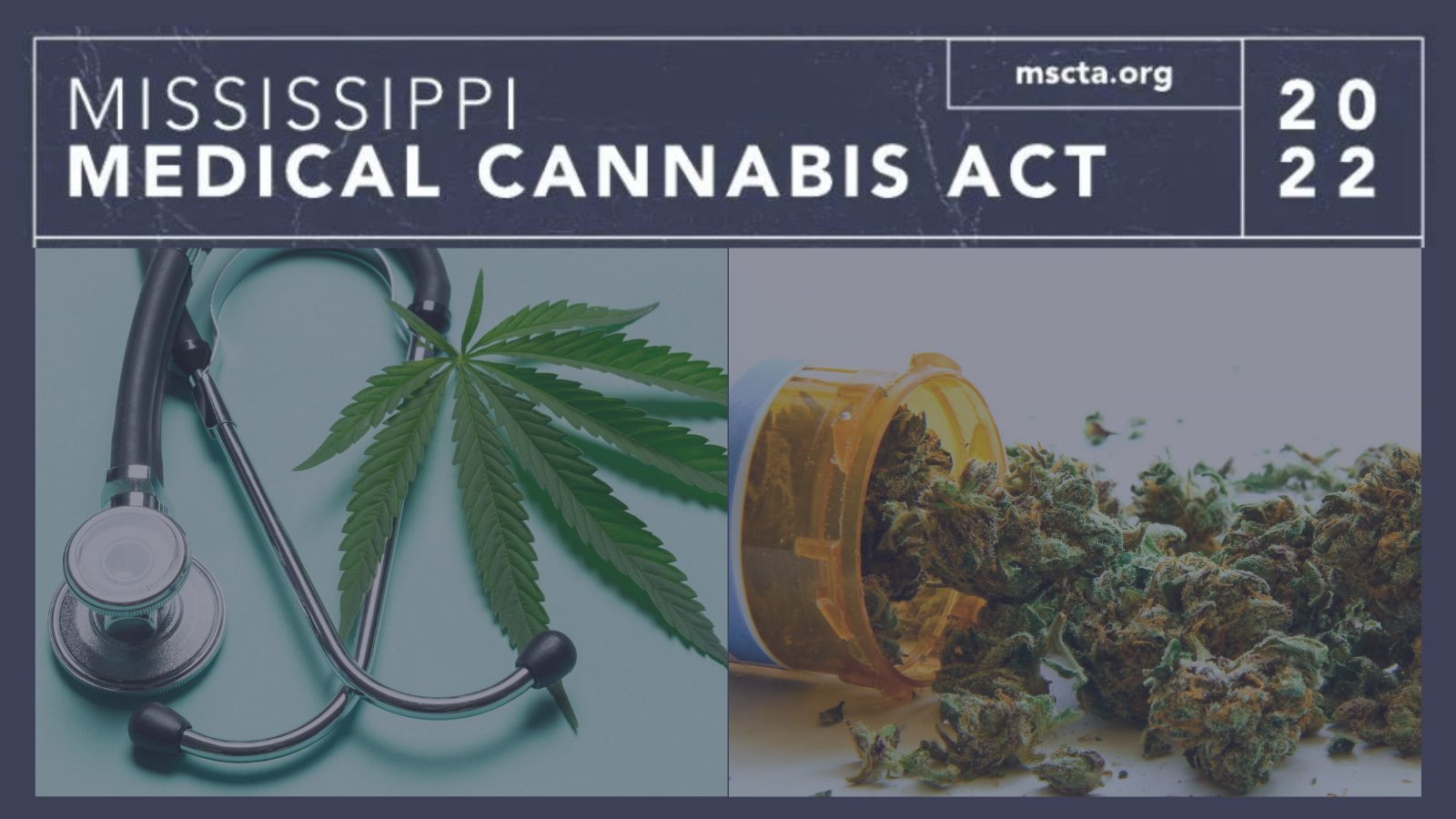
The Department of Health has outlined eligibility criteria for participation in Mississippi’s cannabis program, detailing the roles of growers and patients. Following the enactment of the Mississippi Cannabis Act, SB 2095, the Mississippi State Department of Health (MSDH) has been diligently developing program guidelines, a process that accelerated after the passage of Initiative 65 in November 2020.
Key Guidelines and Conditions for Medical Cannabis
On Monday, MSDH announced initial measures, including qualifying medical conditions and the process for obtaining registration and identification cards. Practitioners wishing to prescribe medical marijuana must also adhere to specific certification requirements.
Eligible patients in Mississippi include those diagnosed with a variety of medical conditions such as cancer, Parkinson’s disease, Crohn’s disease, HIV/AIDS, and chronic pain, among others. According to the law, individuals may register for an identification card only if they have a bona fide relationship with a prescribing doctor, with a registration fee of $25 for a 12-month card. An in-person assessment is mandated prior to certification, followed by a six-month follow-up.
Applications for registration are expected to be available by June 2, 2022. Non-residents can apply for two 15-day passes in a 12-month period, allowing them to obtain an identification card to purchase cannabis.
Qualified Medical Practitioners
Various healthcare providers, including physicians, physician assistants, nurse practitioners, and optometrists, can certify patients for medical cannabis. Initial certification requires eight hours of continuing education in cannabis medicine for the first year, followed by five hours annually.
Local jurisdictions have the option to opt out of the program by May 3, 2022, with the possibility of opting back in at a later date. Several cities have opted out, including Madison, after Mayor Mary Hawkins Butler successfully challenged the medical marijuana initiative.
Facility Regulations and Tax Structure
MSDH stipulates that cultivation and processing facilities may operate in agricultural, industrial, and certain commercial zones, though they must maintain a distance of at least 1,000 feet from schools, churches, or daycares unless a waiver is obtained.
Taxes will be implemented to fund the program, with cultivation facilities subject to a 5% excise tax on sales prices or fair market prices. The Mississippi Department of Revenue will establish the fair market price for cannabis products, with adjustments occurring biannually. Additionally, retail purchases will incur a sales tax.
