

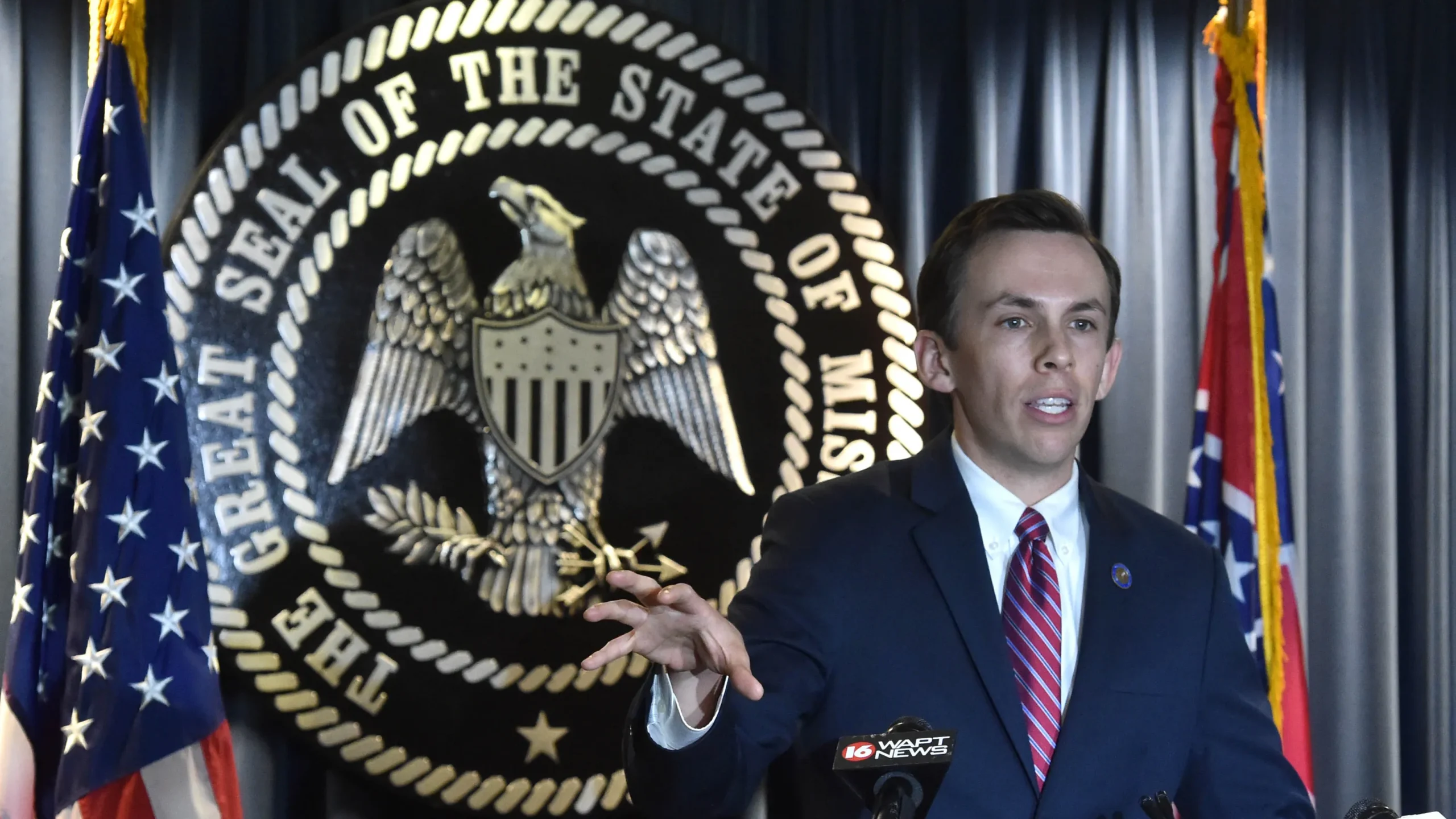
On December 6, 2024, Mississippi State Auditor Shad White urged lawmakers to cut part of the $335 million identified in his recent government waste study as the 2025 legislative session approaches. This initiative, called Project Momentum, was funded with $2 million from the state agency’s budget, and White hopes the Legislature will address these findings.
Addressing Government Waste
In an interview with the Clarion Ledger, White shared that he is in discussions with lawmakers about which aspects of Project Momentum could be executed quickly and which would require more time to implement. He emphasized the importance of consolidating services used by multiple state agencies to reduce costs and reforming procurement processes. “I’d pay a lot of attention to the procurement piece; literally everything in Project Momentum that mentions procurement is something that can be fixed,” White stated.
Education Funding and Teacher Pay
A significant focus for White is increasing teacher salaries, proposing an 8% raise across the board. He also advocates for allocating more public education funds to classroom needs such as equipment, supplies, and technology. “We’re spending a lot of money outside the classroom and not as much as we should inside the classroom,” he remarked. White noted that Mississippi has one of the highest-paid state superintendents but some of the lowest-paid teachers in the nation.
Revising Diversity, Equity, and Inclusion Initiatives
White has been a longstanding advocate for reducing funding for Diversity, Equity, and Inclusion (DEI) programs at Mississippi’s colleges. He argues that DEI initiatives have led to overpaid staff and inefficient programs, failing to create a more inclusive environment for students. “When a DEI office promotes a seminar about the problems with whiteness, that to me, is racist, and we should not be funding that sort of ideology in a university administration office with taxpayer dollars,” he said.
His position comes amid rising scrutiny regarding the financial implications of DEI programs, which, according to White, detract from essential educational expenditures.
As legislative discussions continue, the allocation of education funds and government waste reduction remain critical topics. The outcomes could significantly impact Mississippi’s educational landscape and governance efficiency as the cannabis industry evolves and demands a more financially sound state infrastructure.
