

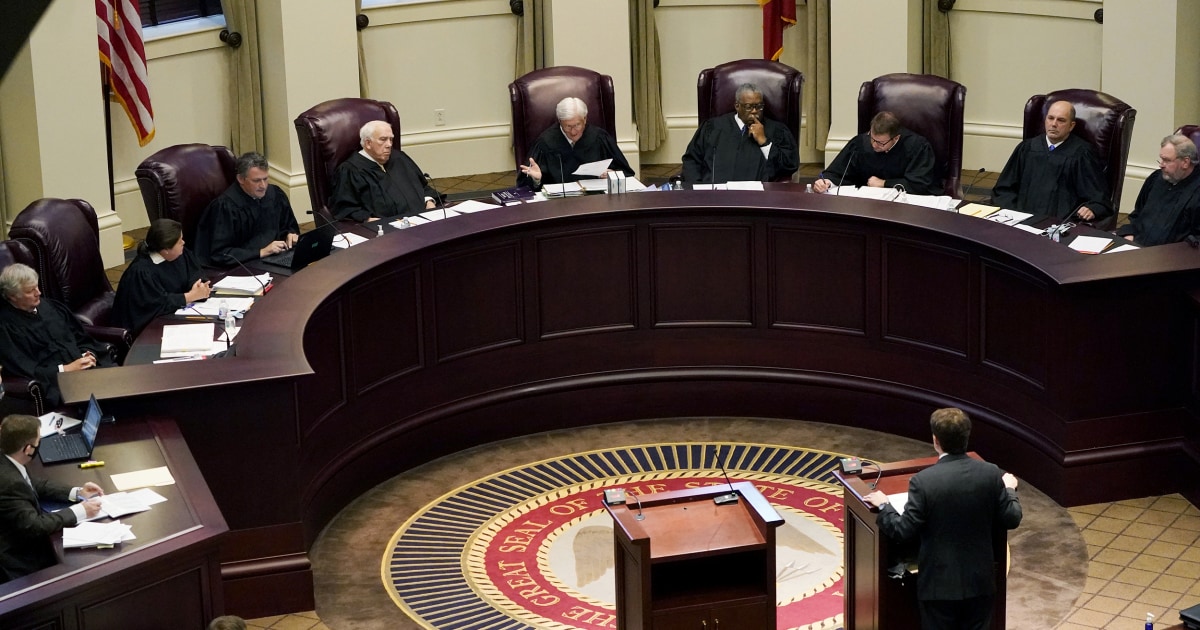
The Mississippi Supreme Court has ruled against a medical marijuana initiative approved by voters in November, which may jeopardize future voter initiatives in the state. Of the 1.3 million ballots cast, over 766,000 were in favor of establishing a state medical marijuana program.
Ruling Details
In a 6-3 decision, the court invalidated the initiative due to a unique issue within the state constitution’s voter initiative process. This provision, enacted in the 1990s, mandated that a percentage of signatures be collected from each of the state’s five congressional districts to qualify for the ballot. However, following the 2000 U.S. Census, Mississippi lost one district, resulting in only four remaining.
Opponents of the initiative contended that the requirement was impossible to meet under current conditions, arguing that four districts multiplied by a maximum percentage of signatures per district would total only eighty signatures. The court’s majority agreed with this interpretation, asserting that the ballot-initiative process is unsustainable given Mississippi’s reduced congressional representation.
Judicial Insights
Justice Josiah Coleman, writing for the majority, noted that the language of the provision was outdated and would require amendment—something the Supreme Court is not empowered to address. Dissenting justices expressed concern that the ruling effectively altered the constitution through interpretation, signaling the potential end of Mississippi’s citizen initiative process entirely.
Justice James Maxwell, in his dissent, warned that the ruling not only nullified this specific initiative but significantly undermined the framework for citizen-led initiatives within the state.
Future Implications
Organizers had aimed to introduce additional initiatives, such as one mandating early voting and another advocating for Medicaid expansion, both of which are unlikely to gain traction among conservative lawmakers. Justice Coleman pointed out that attempts to rectify the flawed initiative process have been made since 2003 but have repeatedly failed to progress.
The marijuana initiative, known as Initiative 65, faced opposition from key state officials, including Governor Tate Reeves. Madison Mayor Mary Hawkins Butler, who challenged the initiative before the election, expressed satisfaction with the court’s decision, emphasizing the need for a clear separation of powers as outlined in the Mississippi Constitution.
